
Can you use daily massagers for headache relief?
Using Daily Massagers for Headache Relief

Headaches are one of the most common ailments people experience, affecting individuals of all ages and lifestyles. They can significantly impact daily life, interfering with work, social activities, and overall well-being. While various treatments, such as over-the-counter medications and lifestyle adjustments, are available, the use of daily massagers has gained popularity as a natural method for relief. This blog post will explore the effectiveness of daily massagers in alleviating headache symptoms, the types of massagers available, and practical tips for incorporating them into your routine.
Types of Headaches
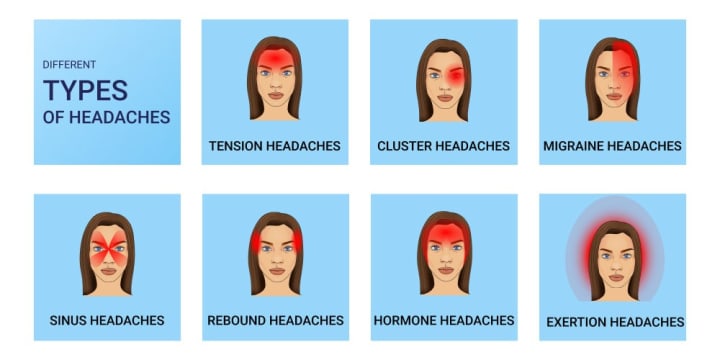
Before discussing the benefits of massage, it’s essential to understand the types of headaches, as different headaches may respond to different treatment methods. The most common types of headaches include:
1. Tension Headaches
Tension headaches are often caused by muscle tension in the neck, shoulders, and scalp. They are characterized by a dull ache and pressure around the forehead, temples, or back of the head. These headaches can be triggered by stress, poor posture, or prolonged screen time.
2. Migraines
Migraines are intense, often debilitating headaches that can last from a few hours to several days. They may be accompanied by symptoms such as nausea, light sensitivity, and visual disturbances (auras). Migraines can be triggered by various factors, including hormonal changes, certain foods, and stress.
3. Cluster Headaches
Cluster headaches are severe, one-sided headaches that occur in cyclical patterns or clusters. They are often described as sharp, burning, or piercing pain, usually around one eye. Cluster headaches can last from 15 minutes to several hours and may occur multiple times a day during a cluster period.
4. Sinus Headaches
Sinus headaches result from inflammation or infection in the sinus cavities, leading to pressure and pain in the forehead, cheeks, and behind the eyes. Symptoms may include nasal congestion, facial tenderness, and a feeling of fullness in the ears.
How Daily Massagers Can Help
Daily massagers can be an effective, non-invasive method for relieving headache symptoms. Here are some ways they can help:
1. Muscle Relaxation
Daily massagers help relieve muscle tension, which is a common contributor to tension headaches. Research indicates that tight muscles in the neck and shoulders can lead to headaches. Using a massager to target these areas can effectively reduce tightness, discomfort, and pain. By promoting muscle relaxation, massagers help alleviate the primary source of tension headaches.
2. Improved Circulation
Massage promotes blood circulation, vital for delivering oxygen and nutrients to tissues. Improved circulation helps alleviate headaches by ensuring that the muscles and nerves in the head and neck receive adequate nourishment. Additionally, increased blood flow can help reduce inflammation and promote faster healing of any irritated tissues.
3. Stress Relief
Stress is a common trigger for many types of headaches. Regular use of a massager can lower cortisol levels and promote relaxation, effectively reducing headache frequency and intensity. Studies show that relaxation techniques, including massage, can have a significant impact on stress-related headaches. By incorporating daily massagers into your routine, you can create a calming self-care practice that contributes to overall stress management.
4. Trigger Point Relief
Many headaches are associated with trigger points—tight knots in the muscles that can refer pain to other areas, including the head. Using a massager can help target these trigger points, relieving pain and discomfort referred to the head. By addressing these specific areas of tension, massagers can provide quick relief for headaches.
5. Convenience and Accessibility
One of the greatest advantages of daily massagers is their convenience. Many massagers are compact and easy to use, making them a practical option for headache relief. You can use them at home, at work, or even while traveling. This accessibility ensures that relief is just a few minutes away whenever you need it.
Types of Daily Massagers
Several types of massagers are available to help relieve headaches, each designed for specific needs:
1. Handheld Massagers

These portable devices allow for targeted massage, often equipped with various settings for intensity and vibration. Handheld massagers are versatile, enabling users to focus on specific areas of discomfort in the neck, shoulders, and scalp.
2. Neck and Shoulder Massagers

Designed specifically for the upper body, these massagers provide relief to tight muscles in the neck and shoulders—common culprits in tension headaches. Many models are ergonomic and designed to fit the contours of the body for maximum comfort and effectiveness.
3. Massage Cushions

Massage cushions can be placed on a chair or couch and provide a full-back massage. These cushions are great for alleviating tension throughout the upper body, making them ideal for use during long periods of sitting, such as at a desk or while traveling.
4. Acupressure Mats
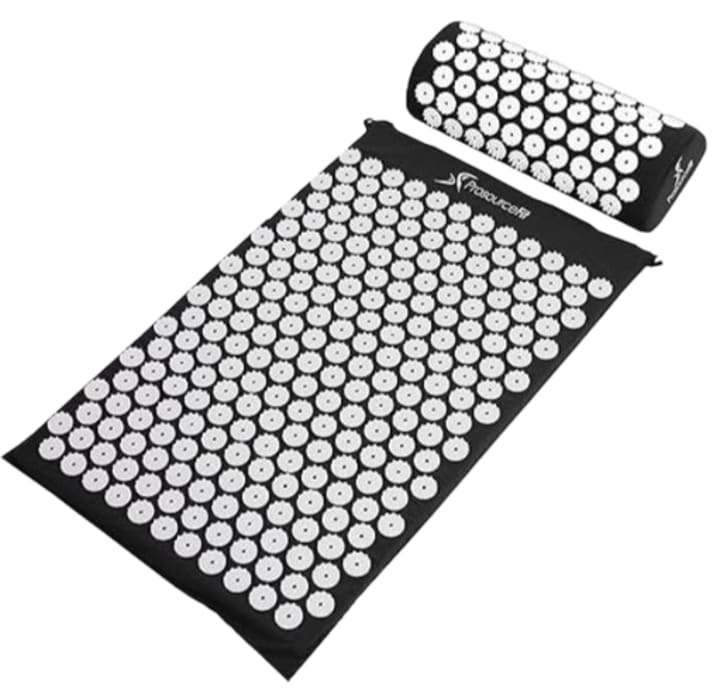
Acupressure mats stimulate pressure points on the back, promoting relaxation and relieving tension headaches. Lying on an acupressure mat for a short period can help release endorphins and improve overall relaxation.
How to use Daily Massagers
To maximize the benefits of daily massagers for headache relief, consider the following tips:
1. Identify Trigger Points
Focus on areas where you feel tightness or discomfort, typically in the neck, shoulders, and upper back. By identifying these trigger points, you can tailor your massage routine to target areas that will provide the most relief.
2. Use Regularly
Incorporate massage into your daily routine for the best results. Aim for 10-15 minutes of massage daily or several times a week. Consistency is key in preventing tension build-up that can lead to headaches.
3. Combine Techniques
Use a combination of heat (such as a warm compress) and massage to enhance relaxation and pain relief. Heat can help to relax tight muscles, making massage more effective. You might consider using a heat pack on tight areas before or after massage.
4. Listen to Your Body
Adjust the intensity and duration of the massage based on your comfort level. If you feel pain or discomfort during the massage, stop and reassess. Massage should never be painful; it should feel relieving and soothing.
5. Stay Hydrated
Drink plenty of water after using a massager to help flush out toxins released during the massage. Hydration is essential for muscle recovery and overall health, and it can help prevent post-massage soreness.
Conclusion
Daily massagers can be a valuable tool for managing headaches, particularly tension headaches. By promoting muscle relaxation, improving circulation, and reducing stress, these devices offer a convenient and effective method for relief. Incorporating a daily massager into your self-care routine can help you take control of headache symptoms and improve your quality of life.
However, if headaches persist or worsen, it’s essential to consult a healthcare professional to rule out any underlying conditions that may require additional treatment.
Disclaimer: This article contains affiliate links, As an Amazon Associate, We earn from qualifying purchases.
About the Creator
Sonam Kohli
Your Passport to Unforgettable Adventures: Join the Journey with Travel and Diary
Visit: https://travelanddiary.com/
Keep reading
More stories from Sonam Kohli and writers in Lifehack and other communities.
Work Less, Create More: Why Smart Creators Are Delegating Their Work
What once required a publishing company can now be done with a laptop, a website, and a strong idea. But as many bloggers quickly discover, running a successful online platform involves far more than writing articles.
By Bella Clumabout 18 hours ago in Lifehack
Wedding RSVPs Made Easy: A 2026 Planning Guide
Couples are juggling timelines, vendors, budgets, travel schedules, and guests who live on their phones. Because of that, the RSVP process has changed dramatically. What once depended on mailed cards and handwritten responses has shifted into a digital first system built around speed and clarity.
By Vala Flynnabout 19 hours ago in Lifehack


Comments
There are no comments for this story
Be the first to respond and start the conversation.