
can i use any coaxial cable for internet
Learn about using coaxial cable for internet and find out if any cable can be used. While it is possible to use any coaxial cable for internet

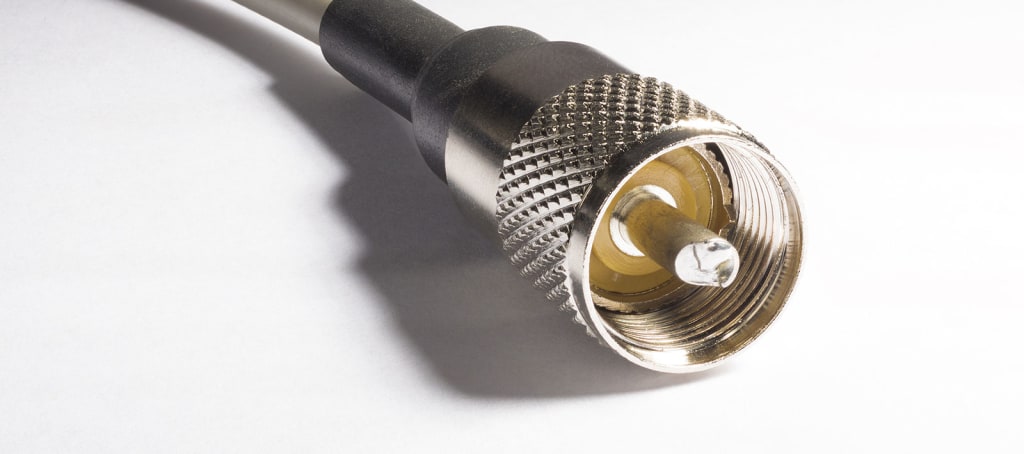
While it is possible to use any coaxial cable for internet, not all coaxial cables are created equal. Using the wrong type of cable can result in signal loss, interference, and reduced internet speed.
For internet applications, it is generally recommended to use a coaxial cable that has an impedance of 75 ohms, as this is the standard impedance used for cable modems and other networking equipment. Using a cable with the wrong impedance can result in signal reflections and other issues that can impact internet speed and signal quality.
Additionally, it is important to choose a coaxial cable that is designed for high-speed internet applications, such as RG-6 or RG-11 cable. These types of cables have a higher bandwidth capacity and lower signal attenuation than other types of coaxial cables, making them better suited for data-intensive applications.
It is also important to consider the cable's length, as longer cables can lead to more signal loss and slower internet speeds. In general, it is recommended to use the shortest cable possible that can reach the intended device.
In summary, while it is technically possible to use any coaxial cable for internet, it is recommended to use a cable that is designed for high-speed data transmission, has an impedance of 75 ohms, and is the appropriate length for the intended application.
Definition of coaxial cable and its importance in internet connectivity
Coaxial cable, also known as coax cable, is a type of electrical cable that is commonly used to transmit signals for a variety of applications, including internet connectivity. It is a two-conductor cable that is designed to carry high-frequency signals with low signal loss, making it a reliable and efficient means of communication.
Coaxial cable consists of a copper core, which is surrounded by a layer of insulation, a metallic shield, and an outer layer of insulation. The copper core is the central conductor, which carries the signal, while the insulation layer provides a barrier between the core and the shield. The metallic shield is made up of a woven or braided wire mesh, which acts as a ground for the cable and provides a barrier against interference from outside sources. The outer layer of insulation provides protection for the cable and also helps to reduce signal loss.
The importance of coaxial cable in internet connectivity lies in its ability to transmit high-frequency signals over long distances with minimal signal loss. This makes it an ideal choice for transmitting data between network devices, such as modems, routers, and switches, which are used to connect devices to the internet. Coaxial cable is also commonly used for cable TV and other applications that require reliable signal transmission.
One of the key benefits of using coaxial cable for internet connectivity is that it can handle high bandwidths, which makes it ideal for high-speed internet connections. This is because the cable's design allows it to carry a large amount of data over a single cable without experiencing significant signal loss. Additionally, the metallic shield provides a high degree of protection against interference, ensuring that the signal remains clear and strong.
In summary, coaxial cable is a reliable and efficient means of transmitting signals for a wide range of applications, including internet connectivity. Its ability to handle high bandwidths, transmit signals over long distances with minimal signal loss, and protect against interference make it an ideal choice for internet service providers and consumers alike.
Does a different coax cable affect internet speed?
The question "Does a different coax cable affect internet speed?" refers to whether using a different type or quality of coaxial cable can affect the speed of an internet connection. The idea behind the question is that the type and quality of coaxial cable used in internet connectivity may have an impact on the overall performance of the connection, including the speed at which data is transmitted. The answer to this question is not a simple yes or no, as the impact of the cable can depend on a number of factors, such as the type of cable, the length of the cable, and the quality of the cable. To provide a comprehensive answer to this question, it is important to consider the various factors that can affect internet speed and how different types of coaxial cables may impact these factors.
Definition and construction of coaxial cables
Coaxial cable, often referred to as coax cable, is a type of electrical cable that consists of two conductors, a center conductor and a metallic shield, which are separated by a layer of insulation. The center conductor is typically made of copper and is surrounded by a layer of insulation, which is made of plastic or foam material. The metallic shield, which is typically made of braided wire or foil, surrounds the insulation layer and acts as a ground for the cable.
The two conductors in the coaxial cable are positioned along the same axis, hence the name "coaxial." The center conductor carries the signal, while the metallic shield provides a barrier against interference from other sources. The shield also helps to reduce the amount of electromagnetic interference (EMI) that can affect the signal, which is especially important for high-frequency signals.
The construction of coaxial cable provides a number of advantages for signal transmission, including the ability to carry high-frequency signals over long distances with minimal signal loss. The construction also helps to protect the signal from interference and EMI, which can degrade the quality of the signal. Coaxial cable is used in a wide range of applications, including telecommunications, cable television, and internet connectivity. Different types of coaxial cables are available, with varying levels of signal loss, bandwidth capacity, and impedance, which are designed to meet the specific requirements of different applications.
How coaxial cables work in internet connectivity
In internet connectivity, coaxial cables are used to transmit signals between network devices, such as modems, routers, and switches, which are used to connect devices to the internet. Coaxial cables work by carrying high-frequency electrical signals from one end of the cable to the other, with minimal signal loss and interference.
In a typical internet connection, the coaxial cable connects the modem to the internet service provider's (ISP) network. The modem is responsible for converting the digital signals from the computer or device into analog signals that can be transmitted over the coaxial cable. The signals are then transmitted over the cable to the ISP's network, where they are processed and sent to the internet. The reverse happens when data is transmitted from the internet to the computer or device.
Coaxial cables are ideal for internet connectivity because they have a high bandwidth capacity, which means they can carry large amounts of data at high speeds. They are also resistant to interference, which helps to ensure that the signal remains clear and strong. The construction of the cable, with the metallic shield surrounding the center conductor, provides a barrier against interference from other electrical devices and electromagnetic waves, which can disrupt the signal.
In summary, coaxial cables work in internet connectivity by transmitting high-frequency electrical signals between network devices, with minimal signal loss and interference. They are a reliable and efficient means of transmitting data between the modem and ISP's network, and play a crucial role in ensuring a stable and fast internet connection.
Differences between various types of coaxial cables
There are several different types of coaxial cables available, each with its own characteristics and specifications. Some of the key differences between the various types of coaxial cables include:
Impedance: Coaxial cables are available in two common impedance ratings: 50 ohms and 75 ohms. 50 ohm cables are typically used for data communications, such as internet connectivity, while 75 ohm cables are commonly used in broadcast applications, such as cable television.
Bandwidth capacity: The bandwidth capacity of a coaxial cable refers to the amount of data that can be transmitted over the cable per unit of time. Different types of coaxial cables have different bandwidth capacities, with some capable of transmitting higher frequency signals over longer distances with less signal loss.
Attenuation: Attenuation refers to the amount of signal loss that occurs as the signal travels over the cable. Different types of coaxial cables have different levels of attenuation, with some cables able to transmit signals over longer distances with minimal signal loss.
Shielding: The shielding of a coaxial cable refers to the material used to protect the cable from interference and noise. Some coaxial cables use foil or braided shielding, while others may use a combination of both.
Connectors: Coaxial cables typically use specific connectors to attach the cable to the device. Common types of connectors include BNC, F-type, and SMA connectors.
Environmental considerations: Some types of coaxial cables are designed to withstand harsh environmental conditions, such as extreme temperatures, moisture, and UV exposure. These cables may have additional protective layers and coatings to ensure long-term reliability.
It is important to select the right type of coaxial cable for a particular application, based on the specific requirements of the application. The wrong type of cable can result in poor signal quality, dropped connections, and other performance issues.
Factors that affect internet speed
There are several factors that can affect internet speed. Some of the most common factors include:
Network congestion: Network congestion occurs when too many devices are using the network at the same time, leading to slow internet speeds. This can happen on both the local network and the wider internet, and can be caused by high traffic volumes, peak usage periods, and other factors.
Bandwidth limitations: Bandwidth limitations occur when the internet connection does not have enough capacity to support the amount of data being transmitted. This can be caused by a variety of factors, including the type of internet connection, the quality of the cables, and other factors.
Distance from the network: The distance between the device and the network can also impact internet speed. The further away the device is from the network, the more likely it is to experience slow internet speeds.
Hardware limitations: The hardware used to connect to the internet, such as modems and routers, can also impact internet speed. Older hardware may not be able to support the latest technologies and protocols, leading to slower speeds.
Interference: Interference from other devices, such as microwaves, cordless phones, and other electronic devices, can also impact internet speed. This interference can disrupt the signal and lead to slower speeds.
Software limitations: The software used on the device can also impact internet speed. Some applications and programs may use more bandwidth than others, leading to slower speeds. Additionally, viruses and other types of malware can slow down the device and impact internet speed.
Internet Service Provider (ISP) limitations: The ISP providing the internet service can also impact internet speed. Some ISPs may have slower networks or may impose data caps, which can impact speed.
In order to achieve the best possible internet speeds, it is important to use up-to-date hardware, connect to the network via high-quality cables, and minimize interference from other devices. Additionally, choosing a high-speed internet service provider and using software that is optimized for internet speed can also help to improve performance.
Types of coaxial cables and their specifications
There are several different types of coaxial cables available, each with its own set of specifications. Some of the most common types of coaxial cables and their specifications include:
RG-6: RG-6 cables are typically used for cable television and high-speed internet connections. They have an impedance rating of 75 ohms, a bandwidth capacity of up to 1 GHz, and low attenuation, allowing them to transmit signals over long distances with minimal signal loss.
RG-11: RG-11 cables are similar to RG-6 cables, but have a larger diameter, allowing them to transmit signals over longer distances with less attenuation. They have an impedance rating of 75 ohms and a bandwidth capacity of up to 1 GHz.
RG-59: RG-59 cables are commonly used for CCTV systems and other video applications. They have an impedance rating of 75 ohms and a bandwidth capacity of up to 800 MHz.
LMR-400: LMR-400 cables are designed for use in high-frequency applications, such as Wi-Fi, cellular, and satellite communications. They have an impedance rating of 50 ohms and a bandwidth capacity of up to 6 GHz.
RG-8: RG-8 cables are used in ham radio and other high-frequency applications. They have an impedance rating of 50 ohms and a bandwidth capacity of up to 1 GHz.
50-ohm vs 75-ohm cables: Coaxial cables are available in two common impedance ratings: 50 ohms and 75 ohms. 50 ohm cables are typically used for data communications, such as internet connectivity, while 75 ohm cables are commonly used in broadcast applications, such as cable television.
Plenum-rated cables: Plenum-rated cables are designed for use in commercial buildings and other spaces where fire safety is a concern. They have additional fire-retardant coatings and meet strict safety standards to reduce the risk of fire and smoke in the event of a fire.
When selecting a coaxial cable for a particular application, it is important to consider the specific requirements of the application, such as the bandwidth capacity, impedance rating, and other factors. Choosing the right cable can help to ensure optimal signal quality and performance.
Differences in cable length, signal loss, and bandwidth capacity
The length of a coaxial cable can have a significant impact on signal loss and bandwidth capacity. Signal loss refers to the reduction in signal strength that occurs as the signal travels through the cable, while bandwidth capacity refers to the amount of data that can be transmitted over the cable at a given time.
As cable length increases, signal loss also increases. This is because the signal has to travel further through the cable, encountering more resistance and resulting in a weaker signal at the other end. The amount of signal loss can be calculated using a formula that takes into account the cable length, cable type, and frequency of the signal being transmitted. The greater the length of the cable, the greater the signal loss.
Signal loss also affects bandwidth capacity. As the signal weakens, the amount of data that can be transmitted over the cable decreases. This can result in slower internet speeds, dropped connections, and other issues.
To minimize signal loss and maximize bandwidth capacity, it is important to choose the right length of cable for the application. For shorter cable runs, a high-quality cable with low signal loss may be sufficient. However, for longer cable runs, it may be necessary to use a cable with a thicker diameter or a lower attenuation rating to minimize signal loss.
It is also important to consider the bandwidth capacity of the cable when selecting a cable length. Higher-bandwidth cables are able to transmit more data at a given time, allowing for faster internet speeds and better overall performance. However, higher-bandwidth cables may be more expensive and may require more complex installation techniques, so it is important to carefully consider the specific needs of the application when selecting a cable length and type.
Which type of coaxial cable is recommended for different internet speeds and applications
The type of coaxial cable that is recommended for a particular internet speed and application will depend on a number of factors, including the distance between the modem and the device, the internet service provider (ISP), and the desired internet speed.
Here are some general guidelines for selecting the appropriate type of coaxial cable for different internet speeds and applications:
RG-6: RG-6 is the most commonly used coaxial cable for high-speed internet and cable TV applications. It has a bandwidth capacity of up to 1 GHz and an impedance rating of 75 ohms, making it suitable for most residential and commercial applications. RG-6 is recommended for internet speeds of up to 1 Gbps.
RG-11: RG-11 is a thicker, higher-performance version of RG-6, with a bandwidth capacity of up to 1 GHz and an impedance rating of 75 ohms. RG-11 is recommended for longer cable runs or applications where signal loss is a concern. It is typically used for internet speeds of up to 10 Gbps.
LMR-400: LMR-400 is a high-performance coaxial cable that is designed for use in high-frequency applications, such as Wi-Fi, cellular, and satellite communications. It has an impedance rating of 50 ohms and a bandwidth capacity of up to 6 GHz, making it suitable for high-speed internet and other data-intensive applications.
RG-59: RG-59 is a lower-performance coaxial cable that is commonly used for CCTV systems and other video applications. It has a bandwidth capacity of up to 800 MHz and an impedance rating of 75 ohms, making it suitable for lower-speed internet applications.
In general, it is recommended to use the highest-performance coaxial cable that is appropriate for the application, as this will help to ensure optimal signal quality and performance. It is also important to choose a cable with the appropriate impedance rating (50 ohms or 75 ohms) for the specific application, as using the wrong impedance can result in signal loss and other issues.
How different coaxial cables affect internet speed
Different coaxial cables can have an impact on internet speed due to the way they transmit signals. Coaxial cables are designed to carry electrical signals over long distances with minimal loss or interference. However, factors such as cable length, signal attenuation, and bandwidth capacity can all affect the quality of the signal and, in turn, impact internet speed.
Here are some ways in which different coaxial cables can affect internet speed:
Signal attenuation: As a signal travels through a coaxial cable, it encounters resistance from the cable's conductor and insulation. This resistance, known as attenuation, causes the signal to weaken as it travels, leading to a reduction in signal quality and internet speed. Different types of coaxial cables have different attenuation ratings, with thicker cables generally providing less attenuation and better signal quality.
Bandwidth capacity: The bandwidth capacity of a coaxial cable determines how much data can be transmitted over the cable at once. Higher-bandwidth cables can carry more data and provide faster internet speeds, while lower-bandwidth cables may be more limited in their data-carrying capacity.
Cable length: The length of a coaxial cable can also affect internet speed. As a signal travels through a longer cable, it encounters more attenuation and loses more of its signal strength. This can result in slower internet speeds and reduced signal quality.
Impedance mismatch: The impedance of a coaxial cable is a measure of its resistance to electrical signals. An impedance mismatch between the cable and the connected device can cause signal reflections and interference, leading to a reduction in signal quality and internet speed.
In general, using a high-quality coaxial cable with a high bandwidth capacity and low attenuation rating can help to maximize internet speed and signal quality. It is also important to choose the appropriate cable length for the application, as longer cables can lead to more signal loss and slower internet speeds. Additionally, ensuring that the cable's impedance matches that of the connected device can help to prevent signal reflections and other issues that can impact internet speed.
About the Creator
Akaeid al akib
I am very passionate about SEO, Web design and digital marketing. I am always up to date with the latest and most advanced SEO strategies. whatsapp: +8801773821395
Keep reading
More stories from Akaeid al akib and writers in Lifehack and other communities.
how many channels can you get with clear tv antenna
Clear TV antenna is an indoor, high-definition television antenna that can receive over-the-air digital and analog broadcast signals from local stations. The number of channels you can receive with a Clear TV antenna will depend on several factors, such as your location, signal strength, antenna placement, and interference from other signals.
By Akaeid al akib3 years ago in Lifehack
The Essential Role of a Quantum Expert Witness in High-Tech Litigation
With the increasing speed in quantum technology, quantum computing, cryptography, telecommunications, and advanced materials, cases are increasingly pitting themselves against each other in courts. They are the cases when one has to deal with the concepts that are much higher, which is why the assistance of a professional specialist cannot be avoided. When the stakes involve intellectual property, algorithm performance, or the integrity of quantum systems, attorneys often rely on a quantum expert witness to clarify and validate the complex scientific issues at the heart of the dispute.
By Jane Smithh2 days ago in Lifehack
how do I choose the right concrete restoration service?
When it comes to maintaining the integrity and aesthetics of your concrete surfaces, the choice of a concrete restoration service is critical. Whether it's a driveway, patio, or commercial space, various factors can contribute to the deterioration of concrete, including weather exposure, heavy foot traffic, and improper installation.
By Neck Akilaa day ago in Lifehack



Comments
There are no comments for this story
Be the first to respond and start the conversation.