
Breaking Free: Practical Strategies to Overcome Phone Addiction.
Strategies to Overcome Phone Addiction.


In the digital era, smartphones have become integral to daily life, offering connections between people and endless entertainment options.
However, this constant connectivity results in a problem of phone addiction. Many spend hours scrolling through social media, checking emails, or playing games, and destroying their productivity, mental health, and consciousness.
If you are struggling with phone addiction, you are not alone.
But the good news is that there are steps you can adopt to regain control over your time and well-being. Let's consider these steps.
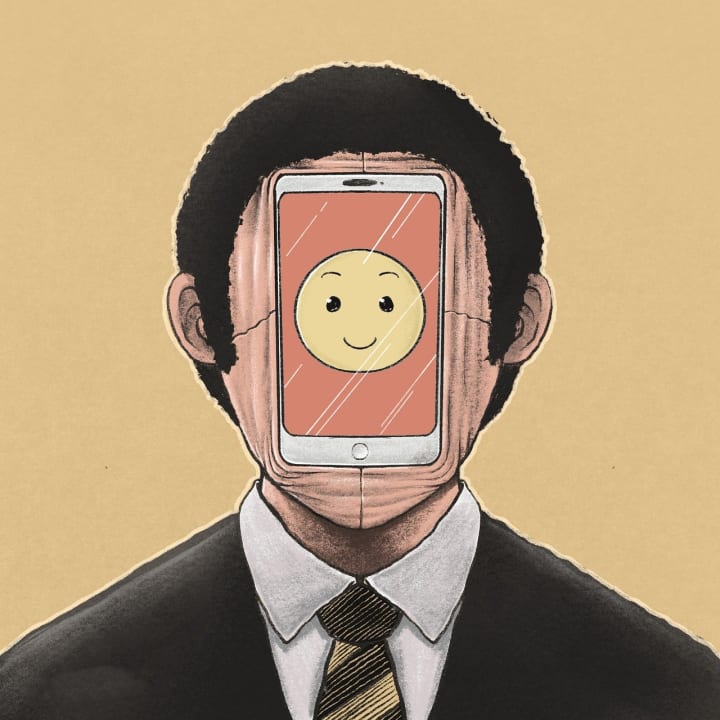
Be aware of the problem.
The first step in overcoming any addiction is to know the reason behind it. If you feel that your smartphone use is excessive and is interfering with your life, acknowledging the problem is key. Take a moment to reflect on how much time you spend on your phone each day.
Honesty is essential here. The more aware you become of how much time you spend on your phone, the easier it will be to take proactive steps to reduce your usage.
Set clear boundaries.
Setting clear boundaries is one of the best ways to control phone addiction. Here are some strategies:
Set phone-free zones.
Create areas where you do not use your phone, such as the bedroom, dining room, or living room. It can help you limit usage and build habits that do not revolve around constant checking.
Set specific times for phone use.
Instead of picking up your phone at random times, set specific times for checking emails, social media, or messages. For example, you could only check your phone in the morning and evening, not during work or study hours.
Limit phone notifications.
Notifications are one of the biggest culprits behind phone addiction. The constant buzz, beep, or vibration can trigger a sense of urgency and make you feel compelled to check your phone. Here are some tips to avoid this.
Turn off unnecessary notifications.
Go through your phone settings and turn off non-essential notifications, such as alerts from social media apps or shopping apps. It will help reduce the constant interruptions that encourage compulsive checking.
Use Do Not Disturb mode.
When working, studying, or spending time with family and friends, switch your phone to DND mode. It will prevent notifications from interrupting your focus and make it easier to stay present.
Track your screen time.
Today, smartphones come with built-in features to track how much time you spend on your device. This feature provides insights into your phone usage habits, including which apps you use the most and how long you spend on them.
By regularly reviewing your screen time, you can understand where your time is going.
At that point, you can set goals to reduce usage in specific areas. If you spend hours on social media, you can set a limit for daily use, such as 30 to 60 minutes per day, and stick to it.
Replace phone time with good habits.
Breaking free from phone addiction often requires replacing unhealthy habits with healthier ones. Instead of turning to your phone when you feel bored or anxious, try these real-life alternatives:
Physical activity.
Exercise is a great way to break the cycle of phone use and reduce stress. Whether going for a walk, taking a yoga class, or hitting the gym, regular physical activity helps boost your mood and overall well-being.
Follow your Hobbies
Rediscover some of your favourite hobbies that are not related to phone screens. Whether reading, drawing, cooking, or gardening, these activities can be fulfilling and help you reconnect with your passions outside your phone.
Spend time with yourself and your loved ones.
Instead of wasting lots of time on your phone and social media, spend some valuable time with yourself. Make a conscious effort to spend more quality time with friends and family. Put your phone away during meals or socializing to ensure you are fully present.
Practice Mindfulness.
Mindfulness is the practice of being fully present and aware of the moment you live in.
By practising mindfulness, you can become more conscious of your phone use and prevent yourself from falling into automatic, mindless scrolling.
Take just a few minutes to meditate. It can help you develop greater self-awareness and reduce the urge to pick up your phone when you are stressed or bored.
Gradually Reduce Your Usage.

If you are completely addicted to phone use, prevention of addiction can not be achieved in one day.
Start by gradually reducing your phone usage, especially on activities that are not productive. Gradually extend the amount of time you spend away from your device. Consistent progress, even if slow, can lead to lasting changes.
Seek professional help if necessary.
If you find that your phone addiction is causing significant distress in your life. It may be time to seek help from a mental health professional.
Visit a Therapist or counsellor who can help you explore the underlying reasons for your addiction and provide you with additional strategies to manage it.
Conclusion
Breaking free from phone addiction is a process that requires patience, self-awareness, discipline and commitment.
By setting clear boundaries, limiting distractions, replacing screen time with healthy activities, and practising mindfulness, you can regain control over your device, which will help you prevent phone addiction.
Remember that small steps can lead to significant changes, so be kind to yourself as you undertake this journey toward a healthier relationship with your phone.
About the Creator
Sandeep Sahoo
Welcome to my palace of Paradise.
You will mostly find Lifehacks, Personal growth, Self-discipline and Poetry here!
“I appreciate your interest in my writing. It means a lot to me.”
-Sandeep Sahoo
Writer || Blogger || Motivational Speaker
Keep reading
More stories from Sandeep Sahoo and writers in Lifehack and other communities.
The Self-code of Ethics
I am a writer most of the time observing people and their behaviour. The people having a Self-rule nature attract me. I am observing the people of my surroundings and environment most of the time. The people who have self-rule succeed and gain self-value in life.
By Sandeep Sahoo2 years ago in Lifehack
Through Every Storm, I Chose You
The first time I saw Lina, it was raining. Not the gentle kind of rain that people enjoy while holding coffee in a café. It was the kind that came with heavy clouds and cold winds, the kind that made people run for shelter. But Lina stood under a bus stop roof, laughing as the rain splashed around her shoes.
By Truth words a day ago in Lifehack
Work Less, Create More: Why Smart Creators Are Delegating Their Work
What once required a publishing company can now be done with a laptop, a website, and a strong idea. But as many bloggers quickly discover, running a successful online platform involves far more than writing articles.
By Bella Clum3 days ago in Lifehack
Tatt~Master
— Assembly Line Tatt Machine ~ Impressions to Impress — As I begin to understand more about the Tattoo Phenomenon. I've written silly, yet verbatim, dating site anecdotes in 'Frazzled.' So let me ask you: Would you be More attracted to someone slathered with tattoos, or Less?
By Jay Kantor7 days ago in Humor


Comments
There are no comments for this story
Be the first to respond and start the conversation.