
Botulism Risk Canned Tuna Recall
Botulism Risk Spurs Canned Tuna Recall

Botulism Risk Spurs Canned Tuna Recall
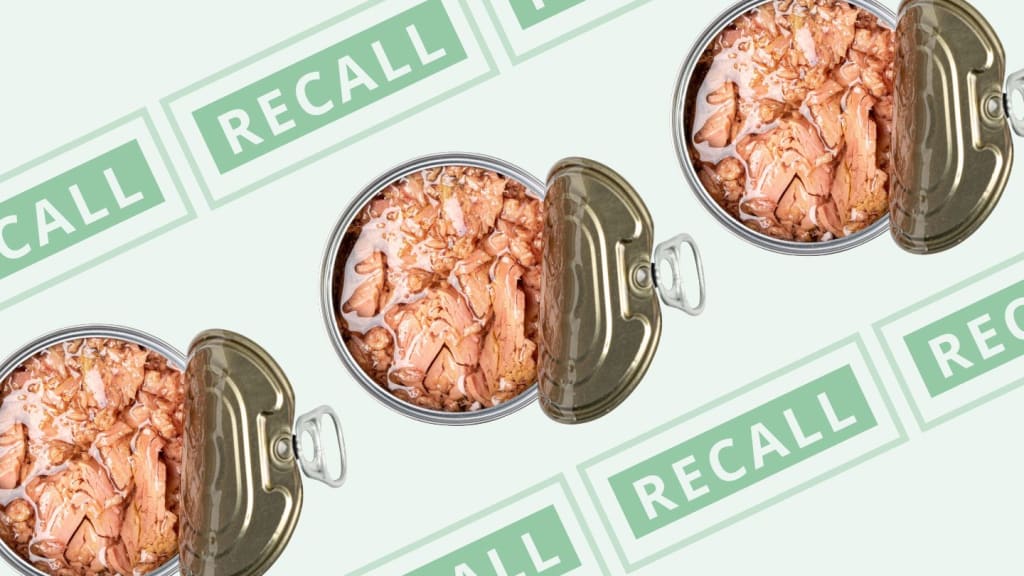
A widespread canned tuna recall has been initiated by Tri-Union Seafoods due to potential contamination with Clostridium botulinum, the bacteria that causes botulism, a severe and potentially fatal form of food poisoning. The voluntary recall impacts specific lots of canned tuna products sold under the Genova, Van Camp's, H-E-B, and Trader Joe's brand names at major retailers including Costco, Walmart, Kroger, and others across numerous states.
The recall was triggered by a manufacturing defect in the "easy open" pull-tab lids of certain tuna cans, which may compromise the integrity of the seal. This defect could lead to leakage or, in the worst-case scenario, contamination with Clostridium botulinum. While no illnesses have been reported to date, the recall is being conducted out of an abundance of caution to prevent potential health risks associated with botulism.
What is Botulism?
Botulism is a rare but serious illness caused by a toxin produced by the bacterium Clostridium botulinum. This bacterium thrives in low-oxygen environments and can produce spores that are highly resistant to heat. If these spores contaminate food and are allowed to germinate and grow, they can produce the botulinum toxin, a potent neurotoxin that affects the nervous system.
Types of Botulism: There are several types of botulism, including:
- Foodborne botulism: This occurs when someone ingests food contaminated with the botulinum toxin1. Improperly canned, preserved, or fermented foods are common sources.
- Wound botulism: This occurs when Clostridium botulinum infects a wound and produces the toxin.
- Infant botulism: This occurs when infants ingest Clostridium botulinum spores, which then germinate and produce the toxin in their intestines1. Honey is a known source of spores and is not recommended for infants under one year of age.
- Iatrogenic botulism: This is a very rare form that can occur from accidental overdose of botulinum toxin (Botox) injected for cosmetic or medical reasons.
Symptoms of Botulism: Symptoms of botulism typically appear between 12 and 36 hours after consuming contaminated food, although they can appear as early as a few hours or as late as several days. Symptoms can vary depending on the amount of toxin ingested but often include:
- Double or blurred vision
- Drooping eyelids
- Slurred speech
- Difficulty swallowing
- Dry mouth
- Muscle weakness
- Paralysis, which can start in the face and spread down the body
- Difficulty breathing
- Nausea, vomiting, and abdominal cramps (not always present)
- Infants with botulism may exhibit symptoms such as:
- Constipation
- Weak cry
- Poor feeding
- Lethargy
- Floppy movements due to muscle weakness
Treatment of Botulism: Botulism is a medical emergency that requires prompt treatment. The primary treatment is an antitoxin, which blocks the action of the botulinum toxin in the body. The antitoxin is most effective when administered early in the course of the illness.
Additional treatments may include:
Supportive care: Patients with botulism may require hospitalization and intensive care, including mechanical ventilation if they have difficulty breathing.
Wound care: For wound botulism, the wound should be surgically cleaned to remove the bacteria1. Antibiotics may also be administered.
Elimination of contaminated food: If foodborne botulism is suspected, doctors may try to remove any contaminated food that is still in the digestive system by inducing vomiting or using enemas.
Prevention of Botulism: Proper food handling and preparation techniques are crucial for preventing foodborne botulism. Recommendations include:
Proper canning: Follow strict guidelines for home canning to ensure that foods are heated to the correct temperature and pressure to kill Clostridium botulinum spores.
Safe food storage: Store canned goods in a cool, dry place. Discard any cans that are bulging, leaking, or have damaged seals.
Avoid risky foods: Be cautious when consuming fermented, preserved, or home-canned foods.
Avoid honey for infants: Do not give honey to infants under one year of age.
Seek medical attention for infected wounds: Keep wounds clean and seek prompt medical attention if they show signs of infection.
Details of the Tuna Recall 2025
Tri-Union Seafoods issued a voluntary recall of specific lots of canned tuna products due to a potential defect in the can's "easy open" pull-tab lid. The defect may compromise the integrity of the seal, leading to leakage or contamination with Clostridium botulinum.
Affected Products: The recall includes canned tuna products sold under the following brand names:
- Genova
- Van Camp's
- H-E-B
- Trader Joe's
The recalled products were distributed to retail stores across the United States. Specific distribution areas for certain brands include:
H-E-B: Texas
Trader Joe's: Delaware, Illinois, Indiana, Iowa, Kansas, Kentucky, Maryland, Michigan, Minnesota, Missouri, Nebraska, New Jersey, New York, North Carolina, Ohio, Pennsylvania, Virginia, Washington D.C., and Wisconsin
Genova (7 oz): Costco in Florida and Georgia8
Genova (5 oz): Harris Teeter, Publix, H-E-B, Kroger, Safeway, Walmart, and independent retailers in Alabama, Arkansas, Arizona, California, Florida, Georgia, North Carolina, New Jersey, Tennessee, and Texas
Van Camp's: Walmart and independent retailers in Pennsylvania, Florida, and New Jersey
What to Do If You Have Recalled Tuna: Consumers who have purchased the recalled canned tuna products are advised to take the following steps:
- Do not consume the product: Even if the tuna looks and smells normal, do not eat it.
- Check the can codes and "Best By" dates: Compare the codes and dates on the bottom of the can with the list of recalled products provided by the FDA or Tri-Union Seafoods.
- Return the product for a refund: Return the recalled tuna to the store where it was purchased for a full refund.
- Discard the product: If returning the product is not possible, discard it in a sealed container to prevent consumption by humans or animals.
- Contact Tri-Union Seafoods: For further information or to request a retrieval kit and coupon, contact Tri-Union Seafoods at 833-374-0171 or [email protected].
Symptoms to Watch For: If you have consumed any of the recalled tuna, monitor yourself for symptoms of botulism12. Seek immediate medical attention if you experience any of the following:
- Double or blurred vision
- Drooping eyelids
- Slurred speech
- Difficulty swallowing
- Muscle weakness
- Difficulty breathing
- Previous Tuna Recalls
This recent recall is not the first instance of canned tuna being recalled due to potential health risks. In the past, tuna recalls have been initiated for various reasons, including:
- Contamination with histamine: Histamine is a chemical produced when certain fish, including tuna, are not properly refrigerated. High levels of histamine can cause scombroid poisoning, which results in symptoms such as rash, nausea, vomiting, and diarrhea.
- Undeclared allergens: Tuna products may be recalled if they contain allergens, such as soy or milk, that are not properly declared on the label.
- Presence of foreign objects: Contamination with foreign objects, such as metal fragments, can also lead to recalls.
- Spoilage: In rare cases, canned tuna may be recalled due to spoilage caused by improper processing or storage.
The Importance of Food Safety
Food safety is a critical concern for both consumers and food manufacturers. Foodborne illnesses can cause a range of symptoms, from mild gastrointestinal upset to severe and life-threatening conditions like botulism. Proper food handling, preparation, and storage techniques are essential for preventing foodborne illnesses.
Responsibilities of Food Manufacturers: Food manufacturers have a responsibility to ensure the safety of their products. This includes implementing and maintaining robust food safety programs, such as Hazard Analysis and Critical Control Points (HACCP), to identify and control potential hazards. Manufacturers should also have procedures in place for responding to potential food safety incidents, including recalls.
Responsibilities of Consumers: Consumers also have a role to play in ensuring food safety. This includes:
Checking for recalls: Stay informed about food recalls by regularly checking the FDA and USDA websites.
Following safe food handling practices: Wash hands thoroughly before and after handling food, cook foods to the proper temperature, and store foods properly.
Inspecting food packaging: Check food packaging for signs of damage or spoilage before consumption.
Reporting food safety concerns: Report any food safety concerns to the FDA or USDA.
The canned tuna recall serves as a reminder of the importance of food safety and the potential risks associated with contaminated food products. By staying informed and following safe food handling practices, consumers can help protect themselves and their families from foodborne illnesses.
About the Creator
Jack Brel
At Vocal Media, I am excited to be a part of a platform that values creativity and original content. I am confident that my skills and experience will enable me to create impactful campaigns and bring value to the Vocal Media community
Don’t Feel at Home in Your Own Home? Interiors Expert Reveals Subtle Design Shifts That Instantly Elevate Your Space
Our homes are meant to be the place we love the most – yet many people feel disconnected from them. Approximately 36% of UK homeowners reported being unhappy with their current housing situation in 2025.
By Millie Bradbury3 days ago in Lifehack




Comments
There are no comments for this story
Be the first to respond and start the conversation.