
Bluestone Pavers: The Ultimate Guide to Long-Lasting Beauty and Practical Care
Bluestone Pavers: Your Ticket to a Stunning, Low-Maintenance Outdoor Oasis
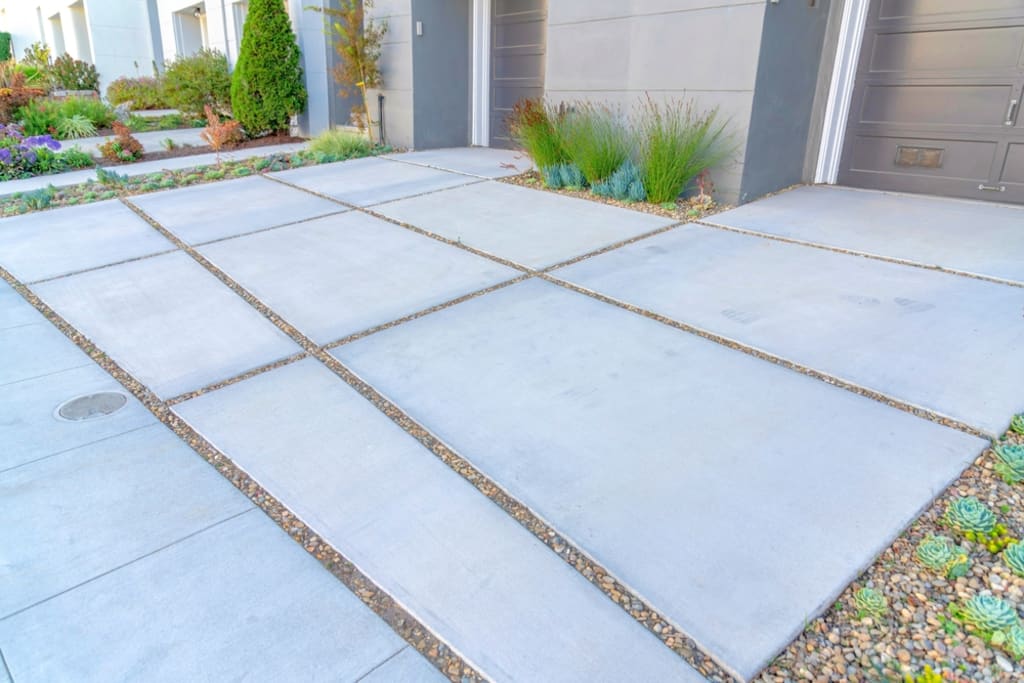
Have you ever stepped into a friend’s backyard and been captivated by the gorgeous stone patio beneath your feet? Are you curious about creating a similar look at home without the hassle of complicated upkeep? If these questions resonate with you, you’re in the right place. Bluestone pavers, with their striking colour and durability, offer a timeless way to upgrade any outdoor space.
In this guide, we’ll explore everything from the basics—like “What is bluestone pavers?”—through to cleaning, sealing, and troubleshooting. We’ll delve into how to remove oil stains from bluestone pavers, plus consider whether sealing bluestone pavers is the right move for you. By the end, you’ll have a clear roadmap for prolonging the life of your bluestone pavers, all while adding a stunning visual impact to your home.
Why Caring for Bluestone Pavers Matters
Protect Your Investment: Let’s face it: a cracked or stained patio is about as inviting as a banana peel on the sidewalk. Proper maintenance of your bluestone pavers not only preserves that showroom sheen but also prevents minor issues from snowballing into wallet‑draining repairs. A quick sweep here, a gentle scrub there, and you’ll dodge the dreaded “replace the whole patio” conversation.
Boost Curb Appeal: Nothing says “I’ve got my life together” like a pristine stone pathway leading up to your front door—or your pool. Well‑kept bluestone pavers enhance property value, wow guests, and give real estate agents something to brag about. Plus, you’ll earn major homeowner cred when your neighbors ask, “How do you keep your bluestone looking that good?”
What Are Bluestone Pavers?
Bluestone pavers are a type of natural stone used frequently in patios, walkways, driveways, and even pool surrounds. They’re known for their distinctive bluish-grey tone, which can sometimes display subtle variations of grey, green, and even brown undertones. These versatile stones come in different shapes, sizes, and finishes, making them a popular choice for both modern and traditional landscapes.
While “bluestone” might sound like a singular material, there are variations in composition depending on the quarry. In Australia, bluestone is often basalt, a volcanic rock that is sturdy, dense, and able to handle changing weather patterns. This makes it especially suitable for outdoor use, as it stands up well to heat, moisture, and foot traffic.
Types of Bluestone Pavers
One of the best things about bluestone pavers is their diversity. Depending on the look you want, you can choose from:
Thermal Bluestone Pavers: These are heat-treated to provide a uniform texture. The process involves subjecting the stone to intense heat, which makes the surface a bit more slip-resistant. Thermal bluestone pavers often have a consistent appearance and are great for pool decks or areas where safety is paramount.
Bluestone Irregular Pavers: If you envision a more organic, whimsical style, irregular pavers might be your go-to option. These have natural edges that form puzzle-like patterns once installed. Many homeowners adore the unique character that these irregularly shaped stones lend to gardens, courtyards, or winding pathways.
Different types of bluestone cater to different needs, whether that’s a sleek and even finish or a more free-flowing, rustic aesthetic. It’s worth taking your time to pick the variety that complements your overall design. After all, this choice will shape the look and feel of your space for years to come.
Key Characteristics and Benefits
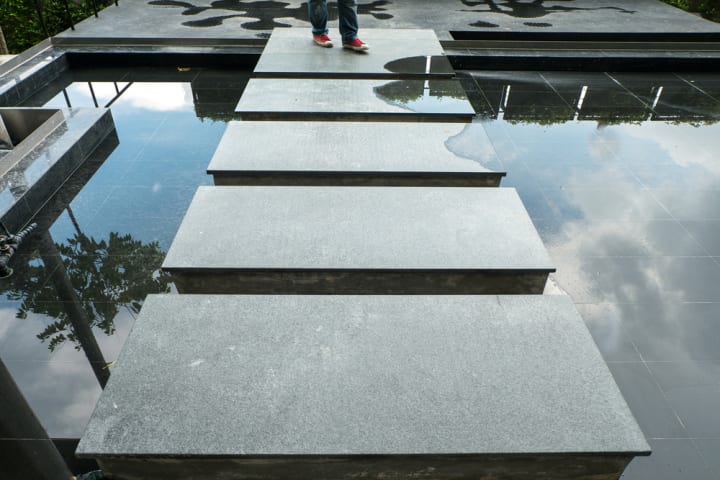
- Strength & Longevity: Bluestone resists cracking and fading under harsh elements.
- Design Versatility: From sleek rectangles to rustic flagstones, the design options are endless.
- Natural Aesthetic: The cool tones blend seamlessly with greenery, making your outdoor space look like it’s been part of the landscape since Day One.
Step-by-Step Guide to Seal Bluestone Pavers
If you decide to seal bluestone pavers, you’ll want to do it correctly. Here’s a basic rundown:
- Clean the Surface Thoroughly: Before you start, make sure the pavers are free from dirt, debris, or existing stains. Use a bluestone cleaner if needed, and allow the area to dry completely.
- Choose the Right Sealant: Look for a sealant recommended for natural stone. Some sealants are “enhancing,” meaning they deepen the colour. Others are more natural. Read the label to confirm it’s fit for purpose.
- Apply Evenly: Using a paint roller, sprayer, or brush, apply the sealant following the manufacturer’s instructions. Work in small sections to avoid puddling, and pay extra attention to joints and edges.
- Allow Proper Drying Time: After the first coat, wait the recommended drying period before adding subsequent layers. Some jobs require one coat, while others may need two.
- Wipe Away Excess: In some cases, any excess sealant that hasn’t soaked into the stone should be wiped away with a clean cloth.
Once it’s all done, avoid foot traffic on the freshly sealed surface until it’s fully cured. If in doubt, always check the product guidelines to make sure each step is followed correctly.
How to Clean Bluestone Pavers Safely
Routine cleaning of bluestone pavers doesn’t have to be complicated. Start with a broom to remove loose dirt or leaves. Then, use a mild detergent mixed with warm water to gently scrub the surface, focusing on any spots that look particularly grimy. A soft-bristled brush works well for this. Rinse thoroughly with clean water once you’re done.
For a deeper clean, you can consider a pressure washer. However, proceed with caution. High settings can damage the stone’s surface, especially if you hold the nozzle too close. Keep the pressure at a moderate level and stand a safe distance away to prevent any surface etching.
Remember that you don’t always need fancy equipment or harsh chemicals to keep your stones looking fantastic. Regular gentle cleaning can go a long way. This is especially true if your stones are sealed, as the sealant helps keep dirt and contaminants from penetrating too deeply.
Conclusion and Final Thoughts
Maintaining your bluestone pavers is a blend of routine care, timely stain removal, and strategic sealing. Whether you’re pondering how to seal bluestone pavers for outdoor kitchen projects or hunting for the best bluestone paver cleaner for oil stains, these guidelines will keep your patio in peak condition. Treat your bluestone like a prized vintage—give it regular TLC, and it will reward you with decades of elegance and durability.
About the Creator
Keep reading
More stories from Lauren Bracy and writers in Lifehack and other communities.
Family Caravans Guide: Balancing Safety, Comfort, and Affordability
Are you dreaming of hitting the open road with your loved ones, exploring Australia’s stunning coastlines, and savouring a good old-fashioned campfire under the stars? Have you ever wondered if there’s a way to combine the comforts of home with the thrill of the unknown? In that case, family caravans might just be the perfect solution. After all, what’s better than travelling at your own pace and creating precious memories?
By Lauren Bracy10 months ago in Lifehack
Time Management Vs Money Management
In today’s fast-paced world, two skills are often highlighted as essential for success: time management and money management. Both are considered pillars of a productive and stable life, yet people frequently debate which one matters more. Is it better to manage your time perfectly or to handle your money wisely? The truth is that both are deeply connected, but they play different roles in shaping personal growth, career success, and long-term happiness.
By shaoor afridi4 days ago in Lifehack




Comments
There are no comments for this story
Be the first to respond and start the conversation.