
Blending Tradition with Modern Flavors: The Evolution of Bengali Cuisine
The journey of Bengali cuisine showcases its evolution from traditional flavors to modern adaptations, blending rich aromas and tastes seamlessly.

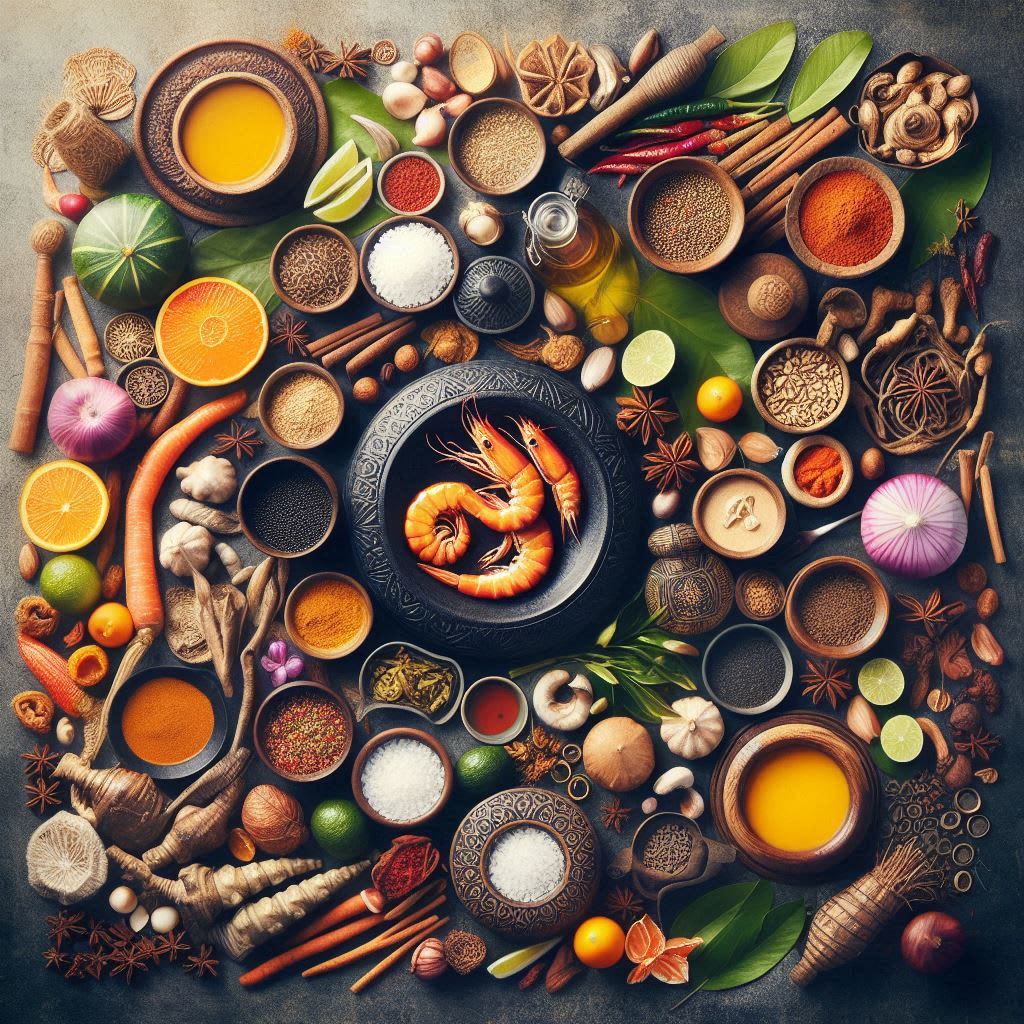
Bengali cuisine is a beautiful mix of rich flavors, aromas, and traditions. From the simple clay ovens in rural Bengal to the fancy kitchens in Kolkata, Bengali food has come a long way. It has kept its traditional essence while embracing modern influences. This journey of Bengali cuisine shows how old recipes have been reinvented and updated to match today’s tastes.
**The Roots of Bengali Cuisine:
Bengali food is known for its special blend of spices and ingredients, creating dishes that are full of flavor and fragrance. The traditional food of Bengal is shaped by its geography, climate, and cultural history. Key ingredients include rice, fish, lentils, and various vegetables, all cooked with spices like mustard, cumin, and turmeric.
*Popular Traditional Dishes:
- Shorshe Ilish: Hilsa fish cooked in a mustard sauce.
- Rasgulla: Soft cheese balls soaked in sugar syrup.
- Aloo Posto: Potatoes cooked with poppy seeds.
**The Fusion Revolution:
Bengali cuisine boasts a rich and diverse history. Its roots trace back to ancient times when rice and fish were the staples of Bengali society, thanks to the region's abundant water resources. This created a culinary tradition centered on these two ingredients.
The extensive use of spices like mustard, cumin, coriander, and turmeric is a hallmark of Bengali cooking, with onions, garlic, and ginger enhancing the flavors further. Over time, the traditional recipes were influenced by Mughal and British colonial rule, adding more variety to the cuisine.
During the 19th century, British colonial rule introduced Bengali people to many European foods like cutlets, chops, and cakes, which became a part of local cuisine. These western dishes were often adapted with local spices and ingredients to create unique flavors.
In the Mughal era, dishes like biryani, rezala, and korma were incorporated into Bengali cuisine, becoming integral parts of the culinary tradition.
Today, Bengali food reflects a blend of local and global influences. Modern techniques and ingredients have been incorporated into traditional recipes, leading to innovative dishes like dried fish with cheese or lamb cooked with cream.
In essence, the history of Bengali cuisine is not just about food but a reflection of a culture that has evolved and adapted over generations.
*Popular Fusion Dishes:
- Ilish Sushi: A modern twist on Shorshe Ilish, combining sushi techniques with Bengali flavors.
- Rasgulla Cheesecake: A fusion dessert that brings together the Bengali sweet with the creamy goodness of cheesecake.
- Aloo Posto Croquettes: A fusion appetizer turning Aloo Posto into crispy, bite-sized treats.
**Insights from Culinary Experts:
To understand more about the fusion of traditional and modern Bengali cuisine, we spoke to well-known chefs and food bloggers. Chef Ananya Banerjee, famous for her creative approach to Bengali food, said, “Bengali cuisine is all about bold flavors and simplicity. By adding modern techniques and ingredients, we can create exciting new dishes for today’s food lovers.”
**The Future of Bengali Cuisine:
The fusion of old and new in Bengali cuisine is more than just a passing trend. It shows how adaptable and creative Bengali cooking is. As chefs and home cooks continue to experiment, the future of Bengali food is bright, with endless possibilities for new flavors and dishes.
###Recipes to Try at Home:
*Ilish Sushi:
- Ingredients: Hilsa fish, sushi rice, nori (seaweed) sheets, mustard paste.
- Instructions: Prepare mustard paste. Cook sushi rice and let it cool. Slice Hilsa fish thinly. Place a nori sheet on a sushi mat, spread mustard paste, add sushi rice, and lay fish slices on top. Roll and cut into pieces.
*Rasgulla Cheesecake:
- Ingredients: Rasgulla, cream cheese, sugar, digestive biscuits, butter.
- Instructions: Crush the biscuits and mix with melted butter to form the base. Blend cream cheese and sugar. Arrange Rasgullas on the biscuit base, pour the cream cheese mixture over them, and refrigerate for a few hours before serving.
*Aloo Posto Croquettes:
- Ingredients: Potatoes, poppy seeds, breadcrumbs, oil.
- Instructions: Boil and mash the potatoes. Mix with poppy seeds and form into croquettes. Coat with breadcrumbs and fry until golden.
By blending tradition with innovation, Bengali cuisine continues to thrive, offering food lovers an exciting journey of flavors. Whether you're an experienced chef or just cooking at home, exploring the fusion of old and new in Bengali cuisine is sure to be a rewarding experience. Happy cooking!
About the Creator
THiNK
Think - Your go-to destination for exploring captivating mysteries, insightful psychology, intriguing facts, and the latest news. Our mission is to spark curiosity and inspire learning. Join us as we uncover the unknown!
10 Smart Life Tips That Can Make Your Everyday Easier
Life can often feel chaotic, and small inefficiencies can add up to big stress over time. But with the right tips and ideas, you can simplify your daily routine, improve productivity, and even enjoy more free time. Here are 10 smart life tips that anyone can apply, whether at home, work, or on the go. 1. Use the 2-Minute Rule If a task takes less than two minutes to complete, do it immediately. This simple rule, inspired by productivity experts, helps you avoid cluttered to-do lists and keeps small chores from piling up. For example, responding to a quick email, washing a few dishes, or filing a document immediately prevents a backlog that could overwhelm you later. 2. Organize Your Workspace A clean and organized workspace can drastically improve focus. Keep only essentials on your desk, use cable organizers, and maintain a minimalist setup. Even small changes like labeling drawers or arranging your tools efficiently can save time every day. Adding plants or a small desk lamp can also create a calm environment, helping you stay productive longer. 3. Batch Your Tasks Grouping similar tasks together reduces the mental load of constant context switching. For instance, check emails only twice a day, or batch all errands into a single outing. Batching prevents wasted time and improves efficiency. For parents or busy professionals, batching tasks like grocery shopping or preparing meals for the week can make a huge difference. 4. Automate Routine Tasks Technology can save you hours each week. Set up automatic bill payments, calendar reminders, and recurring online orders. Apps like task managers, AI assistants, and smart home devices can streamline everyday activities. For example, automating your weekly cleaning schedule with reminders or smart lights can reduce daily stress. 5. Prioritize Your Health A sharp mind needs a healthy body. Simple habits like drinking enough water, taking short walking breaks, and doing light exercises can boost energy levels and mental clarity throughout the day. Even stretching for five minutes in the morning or practicing mindful breathing can have long-term benefits. 6. Meal Prep & Plan Ahead Planning your meals for the week saves both time and money. Batch-cook meals or prep ingredients in advance. This not only reduces last-minute stress but also encourages healthier eating habits. You can also experiment with simple, time-saving recipes like overnight oats, one-pot meals, or pre-chopped vegetable mixes. 7. Digital Declutter A cluttered phone or computer slows you down. Delete unnecessary files, organize folders, and unsubscribe from emails you don’t need. A clean digital space can improve focus and reduce distractions. Additionally, use productivity apps to track important tasks rather than relying on memory alone. 8. Practice Mindful Breaks Short breaks are essential to maintain productivity. Instead of scrolling social media, try a 5-minute meditation, deep breathing, or stretching. Mindful breaks recharge your energy more effectively and prevent burnout. Listening to calming music or taking a walk outside can also refresh your mind. 9. Keep a “Done” List Instead of only tracking tasks to do, maintain a list of completed tasks. Seeing your accomplishments boosts motivation and helps you reflect on what strategies worked best for you. Celebrate small wins, whether finishing a report or simply tidying up your room, to create a positive momentum. 10. Learn to Say No Time is precious. Avoid overcommitting by politely declining tasks or invitations that don’t align with your priorities. Setting boundaries helps protect your energy and focus for the things that truly matter. Remember, saying no to one thing is saying yes to your own goals and well-being. Final Thoughts: Smart life tips don’t have to be complicated. The small changes listed above, when applied consistently, can improve productivity, reduce stress, and make your daily routine smoother. Start with one or two tips today, gradually incorporate the rest, and soon you’ll notice your life becoming more organized, efficient, and fulfilling.
By Baseer Shaheen a day ago in Lifehack



Comments
There are no comments for this story
Be the first to respond and start the conversation.