
Bathroom Sink Faucets Parts: Exploring the Essentials for Your Plumbing Needs
A Comprehensive Guide to Understanding and Maintaining Bathroom Sink Faucet Components

Introduction
In this comprehensive guide, we will delve into the world of bathroom sink faucet parts, exploring their purposes, variations, and maintenance tips. Whether you're a DIY enthusiast or a homeowner looking to gain a better understanding of your plumbing system, this article is for you.
Bathroom Sink Faucet Parts: An Overview
To better understand bathroom sink faucets, it's important to familiarize yourself with their key components. Each part serves a specific function and contributes to the overall performance and design of the faucet.
Understanding the Handle: Controlling Water Flow and Temperature
The handle is the most visible and frequently used part of a bathroom sink faucet. It allows you to control the water flow and temperature. With various handle styles available, such as lever handles, knob handles, or cross handles, you can choose the design that suits your preferences and complements your bathroom decor.
Exploring the Spout: Delivering Water with Style
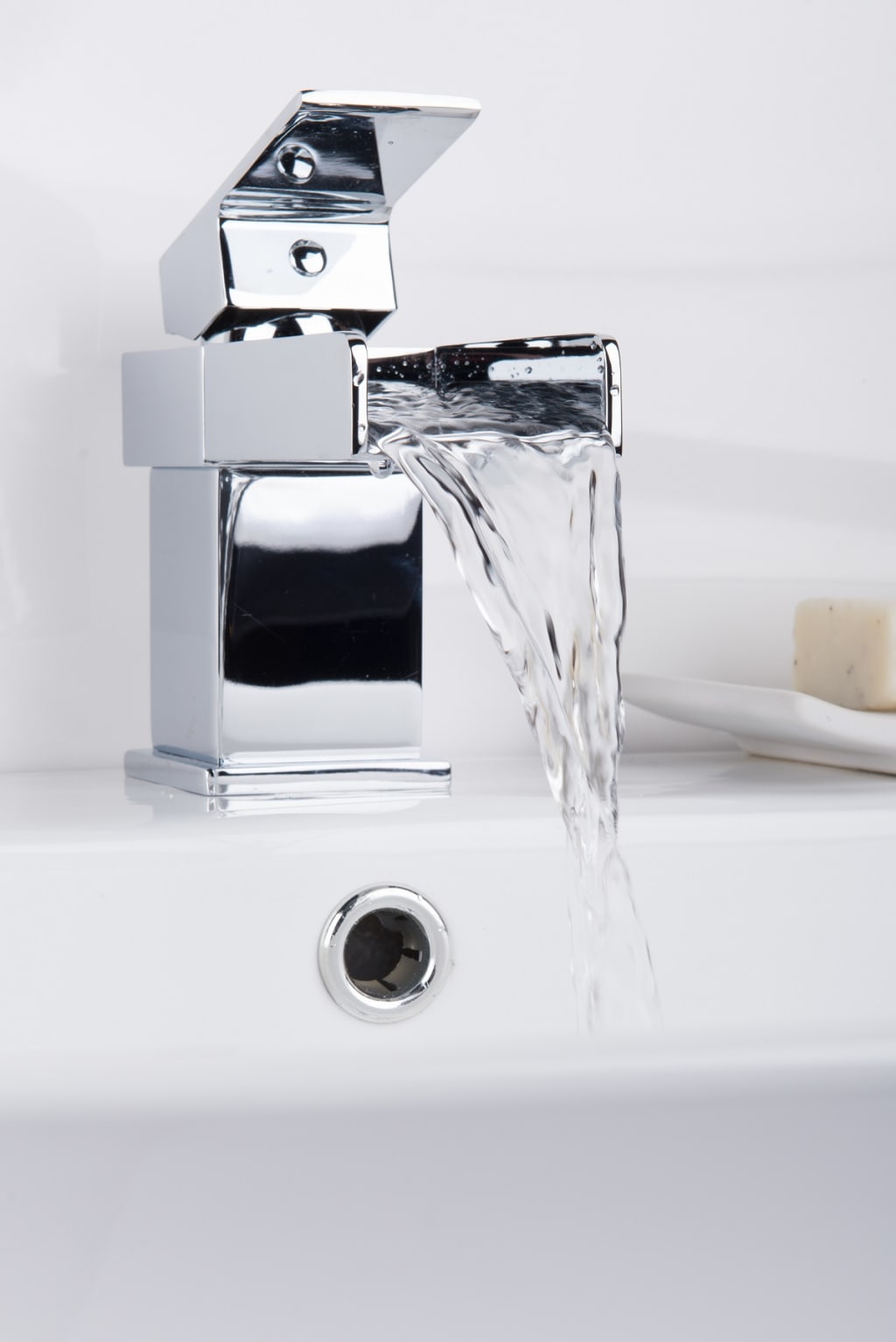
The spout is responsible for delivering water into the sink. It comes in different shapes and sizes, ranging from traditional low-profile designs to elegant high-arc spouts. The spout not only affects the water flow but also contributes to the overall aesthetics of your bathroom.
Valves and Cartridges: The Heart of Faucet Functionality
Valves and cartridges are the internal mechanisms that control the water flow and temperature. They determine whether your faucet has separate handles for hot and cold water or a single handle for both. Different types of valves and cartridges, such as compression valves, ball valves, ceramic disc cartridges, and cartridge valves, offer varying levels of durability and smooth operation.
Drains and Stoppers: Preventing Water from Going Down the Drain
The drain and stopper are often overlooked but play a crucial role in preventing water from flowing out of the sink. The drain assembly includes the drain flange, which covers the drain opening, and the drain pipe that carries water away. Stoppers, such as pop-up stoppers, allow you to control the water flow and conveniently fill the sink basin.
Maintaining and Repairing Bathroom Sink Faucets
Proper maintenance and timely repairs can extend the lifespan of your bathroom sink faucets. Here are some essential tips to keep them in excellent working condition:
- Regularly clean your faucet with a mild soap and non-abrasive cloth to remove dirt and mineral buildup.
- Check for leaks and drips, and replace worn-out washers or O-rings promptly.
- Lubricate moving parts, such as handles and cartridges, with silicone-based grease to ensure smooth operation.
- Inspect the aerator and clean it if necessary to maintain optimal water flow.
- Seek professional help from a licensed plumber for complex issues or if you're unsure about a repair.
Frequently Asked Questions (FAQs)
Q. What are the common causes of a leaky faucet?
A leaky faucet can be caused by worn-out washers, O-rings, or cartridges. High water pressure, mineral deposits, or improper installation can also contribute to leaks.
Q. How do I fix a dripping faucet?
To fix a dripping faucet, start by turning off the water supply. Then, disassemble the faucet, replace any damaged parts, and reassemble everything. If you're unsure, it's best to consult a professional plumber.
Q. Can I replace a bathroom sink faucet myself?
Yes, replacing a bathroom sink faucet is often a DIY-friendly task. However, it requires basic plumbing knowledge and tools. Follow the manufacturer's instructions and ensure you have the necessary skills before attempting the replacement.
Q. What should I do if my faucet handle is difficult to turn?
If your faucet handle is difficult to turn, it may be due to mineral deposits or a worn-out cartridge. Try cleaning the handle and cartridge using a vinegar solution. If the issue persists, consider replacing the cartridge.
Q. How often should I replace the cartridge in my faucet?
The frequency of cartridge replacement depends on several factors, including water quality and usage. As a general guideline, it is recommended to replace the cartridge every 3 to 5 years or when you notice a decrease in water flow or temperature control.
Q. What are some signs that my faucet needs to be replaced?
Signs that your faucet may need to be replaced include consistent leaks, excessive corrosion, poor water flow, or outdated design. Additionally, if repairs become frequent and costly, replacing the faucet may be a more practical option.
Conclusion
By understanding the various parts of bathroom sink faucets and their functions, you can confidently navigate the world of plumbing and make informed decisions when it comes to repairs, replacements, or upgrades. Remember to perform regular maintenance, address issues promptly, and consult professionals when needed. With proper care, your bathroom sink faucets will continue to serve you reliably and enhance the overall functionality and style of your bathroom.
About the Creator
Lily James
I am blessed with a funny gene that makes me enjoy life to the fullest.
Keep reading
More stories from Lily James and writers in Lifehack and other communities.
The Ultimate Guide to Choosing the Right Concealer for Your Skin Tone
Introduction Finding the perfect concealer that matches your skin tone can be a daunting task. With so many options available in the market, it's easy to get overwhelmed and end up with a product that doesn't blend well with your complexion. However, fear not! In this ultimate guide, we will walk you through the process of choosing the right concealer for your skin tone. From understanding your undertone to selecting the right shade, we've got you covered.
By Lily James3 years ago in Lifehack
Top 10 Side Effects of Chia Seeds You Should Know
Chia seeds have gained huge popularity in recent years as a superfood. From smoothies and puddings to salads and oatmeal, these tiny seeds are often praised for their high fiber, omega-3 fatty acids, and protein content. Many people include them in their daily diet to support weight loss, digestion, and overall health.
By Veronica Bennett2 days ago in Lifehack


Comments
There are no comments for this story
Be the first to respond and start the conversation.