
Basement Doors: DIY Installation Guide
Installing basement doors can enhance your home’s accessibility and safety. If you’re thinking of handling the installation yourself, you’ll be glad to know that it’s manageable with the right tools, materials, and understanding of the process. In this guide, we’ll walk through each step of installing basement doors, offering valuable insights along the way
Why Install Basement Doors?
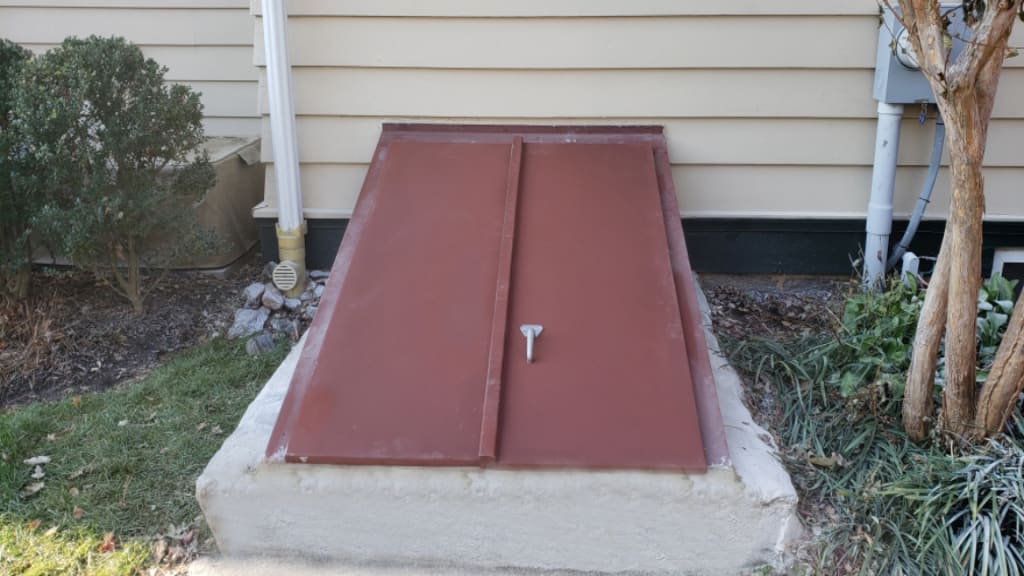
Basement doors provide easy access to your lower level, making it simple to move large items in and out of your basement. Beyond that, they improve ventilation, provide an emergency exit, and can enhance your home’s security. Whether you’re replacing old doors or installing new ones, the benefits are clear. In particular, a well-known brand like Bilco offers high-quality doors that are designed for durability and style.
Tools and Materials You’ll Need
Before you start, gather the necessary tools and materials. This will ensure a smooth installation process without unnecessary interruptions. You’ll need a tape measure, a level, a drill, screws, concrete anchors, caulk, a caulking gun, and a saw. For heavy-duty installations, like those involving steel or fiberglass basement doors, you may also require masonry tools for setting the frame into concrete or brick.
Measuring the Opening for Basement Doors
The first and most crucial step in installing basement doors is accurate measurement. If your measurements are off, even by a little, it could cause complications. Measure both the width and height of the doorway opening, ensuring that there is enough clearance for the door to swing open. When replacing an existing door, it’s essential to confirm whether you need a custom-sized basement door or if a standard size will work.
The measurement process can sometimes reveal uneven surfaces or structural issues. If the foundation around the opening is cracked or sloped, you may need to address these problems before moving forward. This ensures that your new basement doors will be securely mounted and function properly.
Choosing the Right Type of Basement Door
There are several options available when it comes to choosing basement doors. The right door for your project depends on factors like your climate, basement use, and personal preferences.
Wooden doors offer a classic look but may require more maintenance to prevent warping and rotting, especially in damp environments.
Steel doors are highly durable, offering excellent protection against intruders and harsh weather.
Fiberglass doors are lightweight, durable, and resistant to moisture, making them ideal for humid or wet climates.
Each material offers its own set of benefits, so carefully consider your needs before making a decision. A Bilco door, for example, is often praised for its durability and security features, making it a popular choice among homeowners looking for reliable basement doors.
Preparing the Site
Once you have your materials and tools in place, it’s time to prepare the site. Clean the doorway opening and remove any debris, old caulking, or door remnants. You’ll want to ensure that the surface is smooth and free of any imperfections that could affect the door’s fit.
If the foundation around the doorway is cracked or uneven, you may need to repair it before continuing. Any structural issues must be resolved to guarantee a secure installation. In cases where moisture or water damage is present, consider adding waterproofing materials to the door frame area to prevent future leaks.
Assembling the Door Frame
After prepping the site, the next step is assembling the door frame. This part is critical, as the frame serves as the foundation for your new basement doors. Start by ensuring that the frame components are aligned correctly. Use a level to confirm that everything is straight.
Once the frame is properly aligned, drill pilot holes and insert the screws or concrete anchors. This secures the frame in place. For concrete or brick foundations, use heavy-duty masonry anchors for added stability. Make sure that the frame is tightly secured and won’t shift during the door installation.
Installing the Basement Doors
Now that the frame is set, it’s time to install the basement doors. Depending on the door type you’ve chosen, the installation process will vary slightly. Begin by attaching the door hinges to the frame, ensuring that they are level. Test the door to make sure it opens and closes smoothly without any resistance.
If the door doesn’t fit properly, you may need to adjust the hinges or trim the door edges slightly. Once the doors are hung correctly, secure them by tightening all the screws.
After installation, apply a bead of caulk around the edges of the door frame. This helps seal any gaps and prevents drafts or water from entering the basement. Make sure the caulk is applied evenly for a tight, weatherproof seal.
Ensuring Proper Ventilation and Drainage
Basement doors, especially those leading to outdoor areas, require proper ventilation and drainage. Poor ventilation can cause moisture buildup, leading to mold growth and wood rot. Meanwhile, inadequate drainage can result in flooding or water damage.
Consider adding a drainage system around the base of the basement doors to guide water away from the entry point. Some doors come with built-in drainage channels, while others may need to be paired with external solutions like a French drain or sump pump system.
For ventilation, louvered doors can be an excellent option. These allow for air circulation while still maintaining security. Alternatively, installing vents or fans near the basement doors can help maintain proper airflow.
Final Adjustments and Inspection
After the doors are in place, inspect your work for any issues. Test the doors several times to ensure they open and close easily. Check the frame for any signs of instability or gaps. If you notice any gaps between the door frame and the foundation, apply additional caulk or install weatherstripping.
It’s also essential to confirm that your basement doors are properly aligned with any surrounding features, such as railings, stairs, or walkways. This not only ensures functionality but also adds to the aesthetic appeal of your home.
Once everything looks good, perform a final cleanup. Remove any debris, excess caulk, or tools from the site.
Conclusion
Installing basement doors yourself can be a rewarding project, provided you take the time to plan and follow each step carefully. From choosing the right door materials to securing the frame and ensuring proper ventilation, every aspect plays a role in the overall success of the installation. Whether you opt for a Bilco door or another brand, proper installation guarantees safety, functionality, and long-lasting durability for your home’s basement entry. By taking the DIY approach, you not only save on labor costs but also gain the satisfaction of improving your home with your own hands.
About the Creator
Keep reading
More stories from Basement Boss and writers in Lifehack and other communities.
Can Window Well Covers Prevent Flooding? A Comprehensive Guide
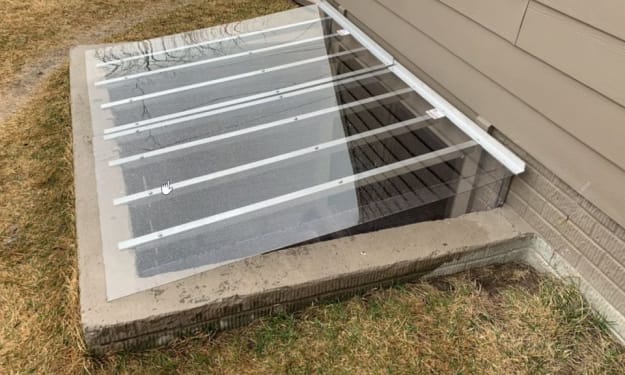
Homeowners often face the challenge of maintaining a dry, leak-free basement, and one of the common concerns is flooding caused by water entering through basement windows. If your home has window wells, especially for below-ground windows, protecting them from rain, snow, and debris is essential. One effective solution to prevent water damage and flooding is using window well covers. In this blog, we’ll explore how window well covers can help prevent flooding, their additional benefits, and what to consider when choosing the right covers for your home.
By Basement Bossabout a year ago in Lifehack
The Pareto Principle (The 80/20 Rule)
In the late 19th century, an economist named Vilfredo Pareto noticed a strange pattern in his garden. He saw that 80 percent of his peas came from only 20 percent of the pods. When he expanded his view to the wealth of nations, he found the same lopsided reality. A tiny minority of actions almost always produces the vast majority of results. This isn't just a rule for math or money. It is a fundamental law of existence that we ignore at our own peril. We call it the Pareto Principle, and it is the ultimate argument for the power of the minimum.
By Nanu Nnabuife2 days ago in Lifehack
Lessons Learned in a Wheel Chair, Singing in the Sunshine 🥀
It starts with love. . . and life . . . Motivational Mantra: Living with Disabilities “To think in terms of either pessimism or optimism oversimplifies the truth. The problem is to see reality as it is.” — Thich Nhat Hạnh
By WILD WAYNE : The Dragon King2 days ago in Lifehack


Comments
There are no comments for this story
Be the first to respond and start the conversation.