
Backpacking: Essential Tips
What you should know about backpacking?

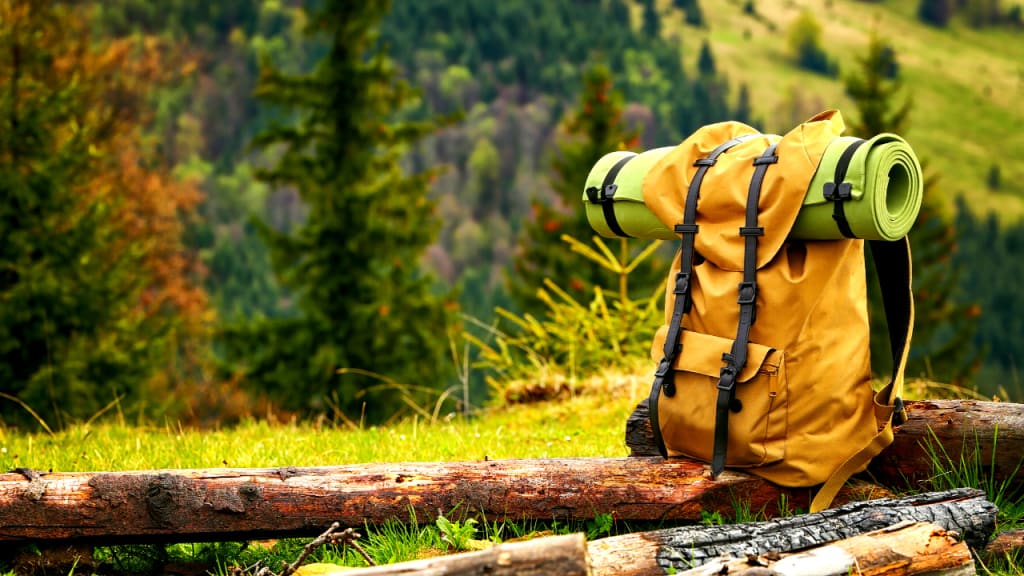
An adventure known as backpacking combines wilderness camping with hiking. It enables you to venture outside of the automobile campsite and take in a deeper, more complete outdoor experience.
The size of your pack is a big difference from day hiking; you must carry all of your necessities in your backpack in addition to yourself. And you have to pick those necessities carefully. These suggestions will help you handle your first backpacking trip like a pro.
Do Your Research
Particularly when planning your route, local websites and hiking tools like AllTrails are invaluable. And keep in mind: You don't need to go overboard with length and elevation just yet.
Your first backpacking trip should instead be on a straightforward route that is appropriate for your physical capabilities. Think about paths that are around 10 km (7 mi) roundtrip for beginners, and keep the height moderate, between 150 and 500 meters (500-1,600 feet).
After deciding on a trail, get ready for your adventure by consulting maps and monitoring the weather. Next, think about the minute, frequently ignored aspects that can affect your experience. What is the parking issue, for instance? Is the trail blocked by anything? Are permits required to remain the night? Making your trip more enjoyable starts with doing study in advance.
Mental Prepare
There's no avoiding the fact that carrying a hefty backpack while climbing a hill is physically demanding. However, it's often forgotten that hiking will inevitably present you with mental obstacles. When dealing with these difficult situations, the attitude you choose to carry can make all the difference.
First, be aware that your backpacking adventure will be challenging and push your physical limits. Then, remember that we are stronger than we believe and that our bodies are capable of much more than we give them credit for. Be sure to stay moving and pay attention to your body to know when to slow down or take breaks.
On tough climbs, I have a mental technique where I concentrate on my steps. Instead of focusing on how far I still have to go, I gaze straight ahead and count each stride. I then give myself "rewards" for reaching certain milestones, like taking a brief rest after every 100 steps or indulging in a piece of chocolate once I've arrived at a distant shade tree. It's a great technique to stay active and motivated that is also covert.
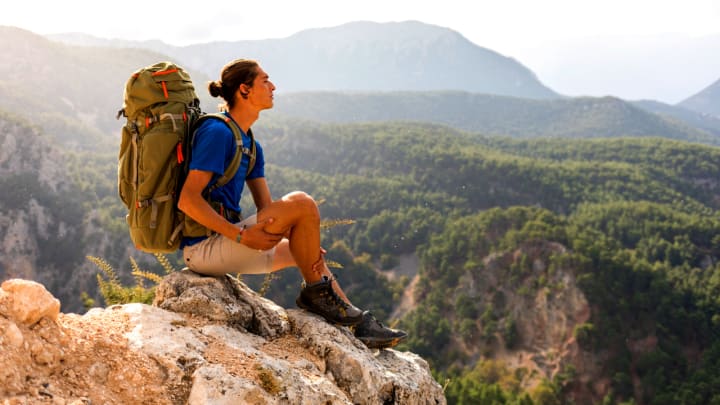
Have A Food And Water Plan
Eating foods high in protein and drinking lots of water are essential after a long day of hiking. Given that they are created expressly for wilderness eating, dehydrated meals are a terrific option, but they call for hot water and a stove. If you're a novice and don't yet have these things, think about bringing protein bars, smoked salmon, peanut butter sandwiches, or nuts.
You must either provide your own water or have a filtration system in place for it. It's okay if new hikers don't yet have a fancy filter! For your first trip, consider borrowing one or getting something inexpensive (but reliable). Purification pills should be included if you want to pack your water in case you run out and have to utilize streams.
The Gear That Works For You Is The Finest To Bring
It's true that top outdoor firms have thoroughly investigated and tested items, but when you're just getting started — or even if you're an old pro — the greatest equipment isn't always the most expensive available. Instead, use equipment that suits your needs.
Consider taking a reliable pair of trekking shoes that you know are cozy and fit well rather than purchasing a brand-new pair of pricey boots because you've seen other hikers wear them. Wear them outside on a few walks before your trip if you decide to buy fresh.
Try borrowing or renting camping supplies from a friend, such as tents and sleeping bags. When making a purchase, keep the price low and choose basic items. Once you've developed a love for backpacking and discovered what suits you, you can upgrade.
Pack Like A Pro
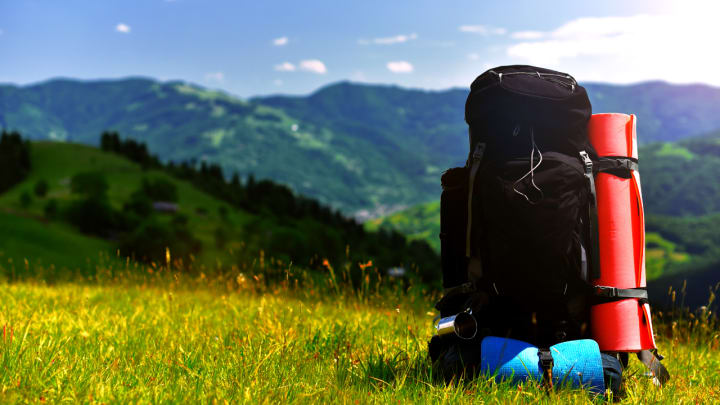
First and first, only carry what you absolutely need, which is far less than you may imagine. Avoid bringing bulky clothing and heavy goods like food in glass jars to make your pack as light as possible.
When carrying your bag through the living room, it might not seem like a big deal, but once you're on the trail, you might wish you hadn't brought that hardback book. Having said that, if bringing a few luxuries will make your trip more enjoyable, don't be reluctant to do so. A small cribbage board and one (or two) beer cans are my vices.
When packing, start at the bottom of the suitcase with bulkier stuff and things you won't need until camp. Then, to help keep your center of gravity in place, put your heaviest goods in the middle. Finish it off with clothing and other lightweight items. To avoid stopping and fumbling for them in the middle of a trek when you most need them, make sure your first aid kit and a few snacks are close at hand.
Stretch
After a long day of hiking, it will be especially tempting to sit down and unwind once you arrive at camp. However, you should do so because you deserve a break. Just remember to stretch a little before you do it.
Before you begin your journey and once you get to camp, spend a few minutes practicing easy, low-impact stretches like toe touches, arm circles, calf extensions, and butterflies. I'll guarantee that your body will thank you later.
Learn Trail Etiquette
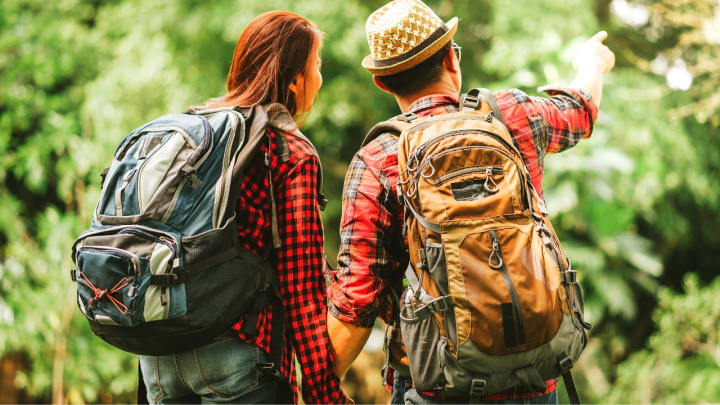
Learning the fundamental guidelines and etiquette is crucial, just like with any new interest or sport. This makes it easier for you to fit in and guarantees that you recreate with respect.
An essential guideline for hiking and backpacking is that those who are trekking up have the right of way. They do this to maintain their momentum. If you're descending and you see hikers in front of you, offer to move aside so they can pass.
Another method to backpack mindfully is to avoid listening to loud music on your speakers and to pick up after yourself. For instance, be sure that no trash, including minor food remnants, is left behind when packing up your campsite.
In addition to being ugly to others, trash is also bad for the environment and can harm wildlife. If you're ever hesitant, observe other hikers or, even better, talk to knowledgeable trekkers and accept advice from them.
Choose The Right Clothes
The key to successful backpacking is layers! You will traverse a variety of environments while on your expedition, so it's crucial to pack clothing appropriate for any potential weather conditions.
While you may begin your journey at a warm, sunny 600 meters (2,000 feet), your campground may be at a higher elevation of 1,500 meters (5,000 feet), where a strong wind is blowing. Trails may also have snow far into the summer.
When packing, go for exercise attire made of breathable, moisture-wicking material (consider wool, nylon, and polyester) and carry a warm, lightweight jacket and pullover for chilly nights. Think about what you can layer with or wear to prevent overpacking.
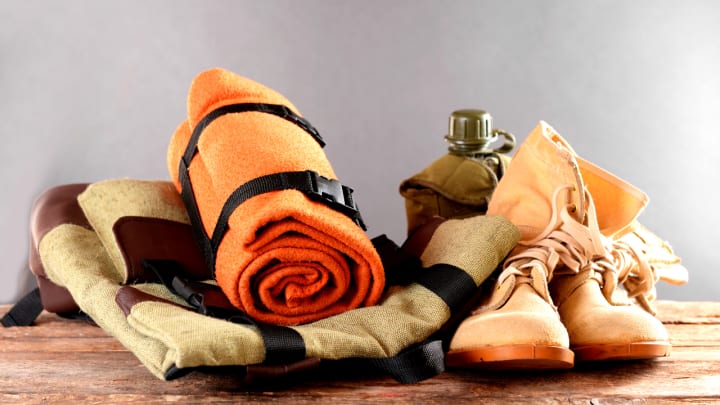
Don't Forget The Post-Hike Bag
Being well-prepared extends beyond simply planning and carrying out your hiking trip. No, it extends to the last seconds before you leave for home as well.
I've found that after a long trek in the bush, there is no sweeter gift you can give to yourself (and those you are with) than a set of new, clean clothes and a drink that is waiting for you in the van.
Enjoy Your Hike Even When It Doesn't Feel Enjoyable
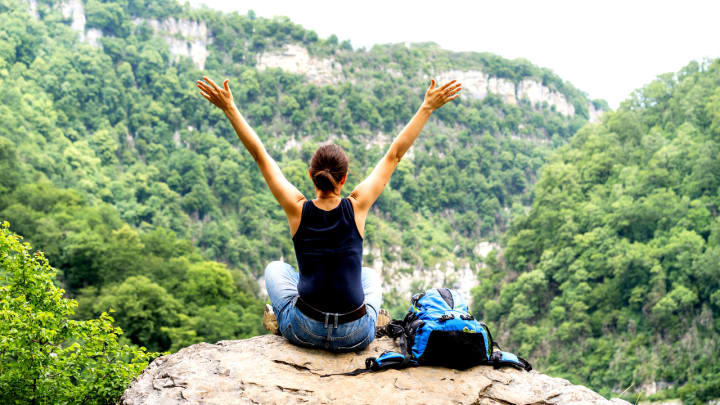
You will become fatigued, hungry, and sweating while trekking. After a few hours or after one night, you can grow bored or feel like going home. Your meals won't be prepared to a high standard, and your accommodations won't be luxurious. But all of that is enjoyable! When things get difficult, look around and be grateful that you are breathing clean air and are surrounded by beautiful landscapes.
Classic Type to fun is what backpacking is all about; while it may be difficult in the present, it will all have been worthwhile in the end. Enjoy the breathtaking vistas while you go, and give yourself a big high-five when you get there because you deserve it.
Last Thoughts
Invite a friend who has backpacked before and is familiar with you so they can act as your guide.
However, you can also go backpacking alone; this essay focuses on that. Regardless of their backpacking experience, we still urge you to go with a companion because it's safer and more enjoyable.
About the Creator
Keep reading
More stories from Heather Whitney and writers in Lifehack and other communities.
Ways Bluetooth Wireless Earbuds Will Improve Your Life
We've all had times when we wanted to listen to music but struggled with detangling our earpiece. Sometimes the knot takes so much time to detangle that you start to feel frustrated. You finally detangle them, and somehow, you notice that your baby brother, sister, or pet has destroyed them. Now you have to get another one.
By Heather Whitney3 years ago in Lifehack
The End of the August Rush: How Remote Work Rewrote the Rules of the British Family Holiday
Two weeks in August. Majorca, perhaps, or Cornwall if the budget was a little tighter that year. It was booked in January because everyone knew that if you waited until spring, prices would be brutal and the good apartments would already be gone. The children were off school, both parents used their primary leave blocks concurrently, and the office was held together by whoever drew the short straw and was stuck behind.
By Derien Harleys7 days ago in Lifehack
Wedding RSVPs Made Easy: A 2026 Planning Guide
Couples are juggling timelines, vendors, budgets, travel schedules, and guests who live on their phones. Because of that, the RSVP process has changed dramatically. What once depended on mailed cards and handwritten responses has shifted into a digital first system built around speed and clarity.
By Vala Flynn41 minutes ago in Lifehack
Tatt~Master
— Assembly Line Tatt Machine ~ Impressions to Impress — As I begin to understand more about the Tattoo Phenomenon. I've written silly, yet verbatim, dating site anecdotes in 'Frazzled.' So let me ask you: Would you be More attracted to someone slathered with tattoos, or Less?
By Jay Kantor4 days ago in Humor


Comments
There are no comments for this story
Be the first to respond and start the conversation.