
Avoid These 10 Things During the Chinese New Year
Thing you cannot do on Chinese new year
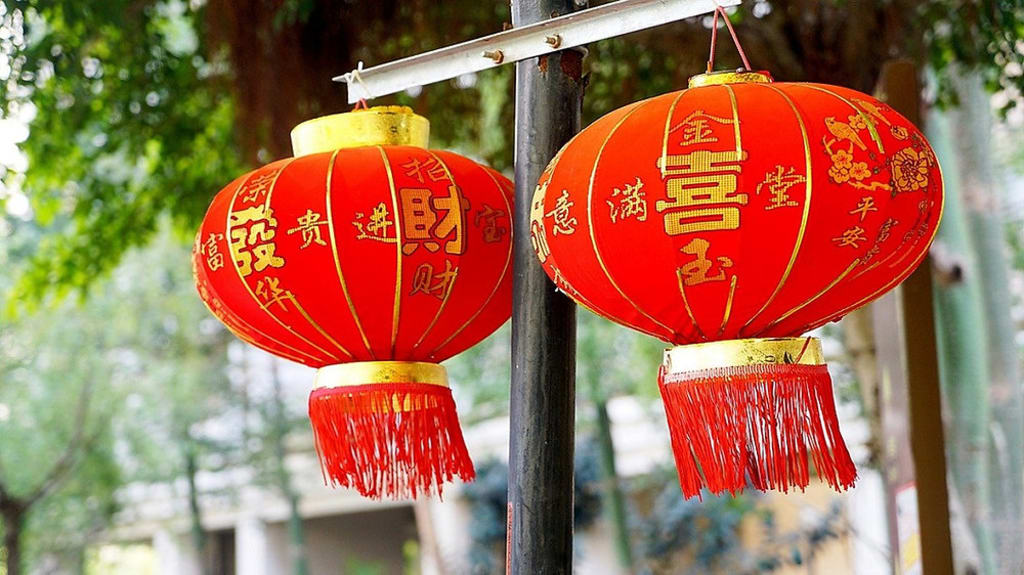
The Chinese New Year, also known as the Spring Festival, is a joyous and significant celebration in Chinese culture. It's a time for family reunions, festive feasts, and vibrant traditions. However, to ensure a smooth and auspicious celebration, it's crucial to be mindful of certain customs and avoid certain actions that are considered inauspicious. Here are 10 things to avoid during the Chinese New Year
Saying Negative Words:
Why: The Chinese New Year is a time for optimism and positive beginnings. Negative words like "death," "illness," "poverty," or anything related to misfortune are strictly avoided.
Alternatives: Replace negative words with positive ones. For example, instead of saying "I hope you don't get sick," say "I wish you good health."
Cleaning or Throwing Things Out:
Why: Cleaning or discarding anything during the first few days of the New Year is believed to sweep away good luck and prosperity.
When to clean: It's best to complete any major cleaning tasks before the New Year's Eve.
Arguing or Fighting:
Why: Arguments and disagreements are considered inauspicious during the festive season. They can bring bad luck and disrupt the harmonious flow of the New Year.
Focus on harmony: Make a conscious effort to maintain peace and harmony within your family and social circles.
Using Sharp Objects:
Why: Using sharp objects like scissors or knives is believed to bring bad luck and symbolize cutting ties with good fortune.
Exceptions: Minor cuts for food preparation are generally acceptable.
Mourning or Visiting the Sick:
Why: Mourning or visiting the sick during the New Year is considered to bring bad luck and dampen the festive spirit.
Exceptions: If a family member is seriously ill, visiting them is understandable.
Wearing Black or White:
Why: Black and white are traditionally associated with mourning in Chinese culture. Wearing these colors during the festive season is considered inauspicious.
Opt for bright colors: Choose bright and cheerful colors like red, gold, and yellow, which symbolize good luck and prosperity.
Emptying Bowls:
Why: Empty bowls symbolize poverty and lack of abundance. It's considered inauspicious to leave bowls empty during the festive meals.
Keep bowls full: Make sure to keep bowls filled with food throughout the meals, symbolizing a prosperous year ahead.
Breaking Dishes or Glassware:
Why: Breaking dishes or glassware is considered to bring bad luck and symbolize misfortune.
Handle with care: Be extra cautious when handling dishes and glassware to avoid breakage.
Debt Collection:
Why: Collecting debts during the New Year is considered inauspicious. It's believed to bring bad luck and hinder financial prosperity.
Postpone collections: Postpone debt collection to a later date after the festive season.
Giving Clocks as Gifts:
Why: In Chinese, the word for "clock" sounds similar to the word for "death." Giving a clock as a gift is considered inauspicious.
Alternative gifts: Choose other meaningful and auspicious gifts such as red envelopes (hongbao) filled with money, oranges, or decorative items.
Beyond these 10 points, here are some additional tips for a harmonious Chinese New Year:
Display auspicious symbols: Decorate your home with auspicious symbols like red lanterns, couplets (chunlian), and images of the Chinese zodiac animal of the year.
Offer prayers to ancestors: Pay respects to your ancestors by offering prayers and making offerings at their shrines.
Give hongbao (red envelopes): Give hongbao filled with money to children, unmarried adults, and elders as a symbol of good luck and prosperity.
Visit temples and pagodas: Visit temples and pagodas to pray for blessings and good fortune in the New Year.
By being mindful of these customs and avoiding these inauspicious actions, you can ensure a harmonious and prosperous Chinese New Year filled with joy, good fortune, and positive energy.
About the Creator
Keep reading
More stories from click soft and writers in Lifehack and other communities.
India Secures a Commanding 44-Run Victory Over New Zealand in ICC Champions Trophy 2025 Clash
The much-anticipated encounter between India and New Zealand in the ICC Champions Trophy 2025 lived up to its billing, delivering a thrilling contest at the Dubai International Stadium on March 1, 2025. In a match filled with twists and turns, India emerged victorious by 44 runs, defending a total of 249 runs with a disciplined bowling performance and sharp fielding. New Zealand, despite a valiant effort, fell short, managing only 205 runs in their chase.
By click soft11 months ago in Gamers
How to Stop Procrastinating (Scientifically Proven Method That Works)
There’s a moment most people don’t talk about. You sit down with every intention to start. The task is open in front of you. The deadline is real. And yet, something inside you quietly says, not now. You reach for your phone. You reorganize your desk. You tell yourself you’ll begin once you feel ready. Minutes turn into hours. By the end of the day, the guilt is heavier than the work ever was.
By Liam Osuosa day ago in Lifehack
The dog everyone ignored became the reason I’m still alive.
No one noticed him at first. He crouched in the far corner of the shelter, half-hidden behind a metal food bowl, watching people walk past his cage as if he weren’t there. Families stopped to look at the dog with bright eyes and wagging tail. Volunteers smiled and laughed at the dogs who barked loudly for attention.
By Paw Planet a day ago in Lifehack


Comments
There are no comments for this story
Be the first to respond and start the conversation.