
Apple Smart Glasses: Future-Wear Technology
Apple Smart glass


Apple has already raised the bar high when it comes to innovation in technology. From the iPhone to the Apple Watch, the tech giant has a storied history of producing products that not only create markets but redefine the daily life experiences. The next giant leap is now apparently just about to turn the corner: Apple Smart Glasses. Though not yet officially announced, the concept of Apple's augmented reality (AR) glasses has already drawn the attention of tech fans around the globe. The smart glasses are set to revolutionize how users engage with their devices as well as the world around them.
**What Are Apple Smart Glasses?
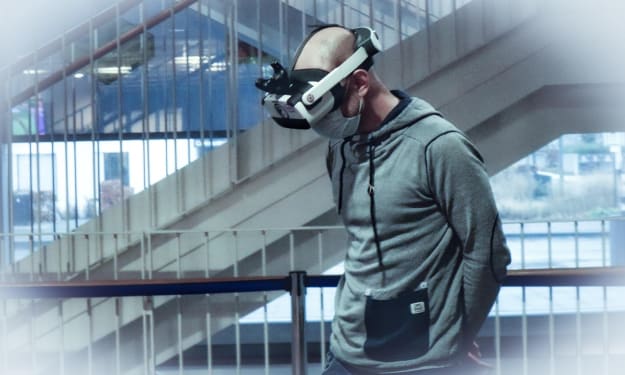
Apple Smart Glasses, or "Apple Glass," supposedly are lightweight glasses with augmented reality functionality. While traditional smart glasses often focus on notifications or voice input, Apple's are speculated to blend the virtual and real worlds in a non-disruptive manner. The glasses will, supposedly, project information directly into the wearer's field of view, giving them a heads-up display (HUD) that superimposes digital information onto real-world environments.
The glasses would be paired with an iPhone or operate on their own, providing users with maps, messages, notifications, and even AR experiences. According to leaks and Apple patents, the glasses could have gesture controls, eye-tracking capabilities, and advanced 3D scanning technologies.
**Key Features and Expectations
Augmented Reality Integration
Apple Smart Glasses should provide rich AR experiences. This could involve projecting directions onto the street, providing product information while in a shop, or even providing live language translations via visual overlays.
**Minimalist Design
Apple is renowned for minimalist and intuitive design, and the Smart Glasses should be no different. Reports indicate they will look like standard eyeglasses, not the clunky, attention-grabbing designs that have characterized other companies' earlier smart glasses.
**Prescription Lens Compatibility
Apple is also said to be working on making the Smart Glasses prescribable to individuals with prescription lenses, bringing them into use among mainstream consumers beyond tech enthusiasts.
**Privacy and Security
Since there is growing concern regarding privacy with wearable technology, Apple will likely include strong privacy features. This would include LED flash indicators that inform others if the device is recording or not utilizing the camera, and encrypted data to protect user information.
**Light in Weight and Lightweight
Compared to heavy headsets such as VR goggles, Apple's Smart Glasses are reported to be light enough and comfortable to wear for extended periods, making use more convenient without causing user fatigue.
**Custom Operating System
Apple is creating a custom operating system for Smart Glasses known as "rOS" (reality Operating System). The OS would provide a tailored experience, which would integrate harmoniously with existing Apple services like Siri, Maps, and Apple Music.
**Potential Applications
Apple Smart Glasses can transform numerous industries:
Navigation: Real-time walking or driving instructions overlaid on roads and buildings.
Retail: Instant product information, virtual try-ons for clothing or glasses, and price comparison.
Healthcare: Assisting doctors with real-time patient data during surgery.
Education: Delivering students with engaging learning experiences by bringing 3D models to classrooms.
Gaming: Gaming with augmented reality could become more interactive and immersive.
Additionally, when paired with Apple's drive towards spatial computing (which is seen in offerings such as the Vision Pro headset), Smart Glasses can bring about a future where a conventional smartphone or laptop is rendered obsolete.
Challenges Ahead
There is enthusiasm, but making smart glasses that function and achieve widespread acceptance is no mean feat. Apple will have to overcome numerous challenges that include:
Battery Life: Introducing high AR features in a small body without sacrificing battery performance is challenging.
Display Quality: Providing visual quality and legibility under varying light conditions is essential.
Cost: Premium tech typically comes with a premium price tag, which could limit initial adoption.
Societal Acceptance: Humans are likely to worry about constant recording and surveillance, so Apple needs to address ethical concerns cautiously.
Although Apple Smart Glasses details are speculative right now until they make an official launch, it's clear that they have the potential to change the game in wearable technology. Merging Apple's focus on user experience, privacy, and design, the glasses can be a further step toward fully integrating tech into daily life. If Apple is successful in delivering the promise of their Smart Glasses, they will not only introduce a new product but also redefine an entire industry for the second time.
About the Creator
Keep reading
More stories from Amit Gomes and writers in Lifehack and other communities.
VR and AR Gaming in 2025: The Future Arrived
Gaming has always been on the cutting-edge of technology, but in 2025, Virtual Reality (VR) and Augmented Reality (AR) transformed how we game, engage, and become fully immersed in digital worlds. Gone from being novelty one-time novelties for clunky devices and low-end graphics, VR and AR became mass-market momentum drivers of technology in gaming, entertainment, and even learning.
By Amit Gomes9 months ago in Gamers
Top 10 Questions to Ask Every Perth NDIS Service Before You Engage Them
Choosing the right National Disability Insurance Scheme (NDIS) provider shapes the quality of care, independence, and outcomes a participant experiences. In Perth, families and participants face a growing number of service options, which makes informed decision-making essential.
By Anshul Vijay3 days ago in Lifehack



Comments
There are no comments for this story
Be the first to respond and start the conversation.