
Annapurna Tour for Beginners: How to Make the Most of Your First Trek
Annapurna Trek
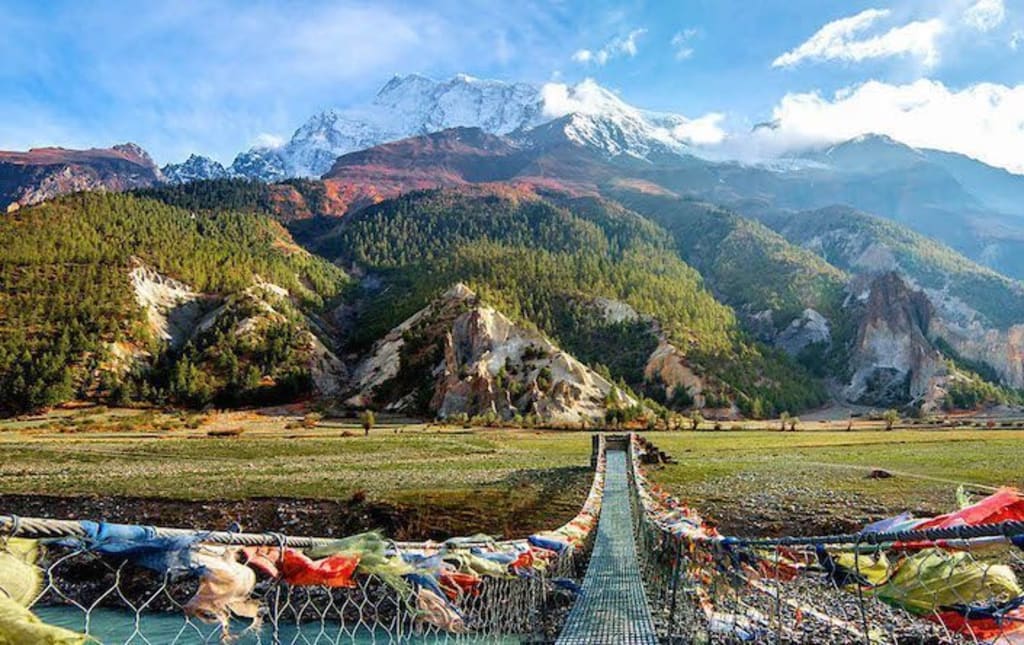
Embarking on your first trek can be both exhilarating and overwhelming, especially when it's to a legendary destination like the Annapurna region in Nepal. Known for its stunning landscapes, diverse ecosystems, and panoramic views of the Himalayas, an Annapurna tour is a bucket-list adventure for trekkers worldwide. If you're a beginner and considering taking on this challenge, this guide will help you make the most of your annapurna tour by providing essential tips, what to expect, and how to prepare.
Understanding the Annapurna Region
The Annapurna region is one of Nepal's most popular trekking destinations. Home to the Annapurna Massif, it includes several peaks over 7,000 meters, with Annapurna I standing tall at 8,091 meters. The region offers various trekking routes, each with unique experiences. For beginners, the Annapurna Base Camp (ABC) trek or the Ghorepani Poon Hill trek is highly recommended due to their moderate difficulty levels and manageable durations.
The ABC trek, for instance, takes you to the base camp of the 10th highest mountain in the world, while the Poon Hill trek is famous for its stunning sunrise views over the Himalayas. Both treks provide a perfect introduction to the beauty of the Annapurna region without being too strenuous for first-timers.
Choosing the Right Time for Your Annapurna Tour
Timing plays a crucial role in ensuring a successful trek. The best times for an Annapurna tour are during the spring (March to May) and autumn (September to November) seasons. During these months, the weather is stable, and the trails are more accessible. Spring brings blooming rhododendron forests, while autumn offers clear skies and stunning mountain views.
Winter (December to February) is also an option if you're prepared for colder temperatures and possible snow. However, the monsoon season (June to August) is generally avoided due to heavy rains, slippery trails, and limited visibility.
Preparing Physically and Mentally
While the Annapurna tour is beginner-friendly, it still requires a good level of fitness. You'll be walking 5-7 hours a day, often on uneven terrain with steep ascents and descents. Start preparing a few months in advance by incorporating cardiovascular exercises like jogging, cycling, and swimming into your routine. Strength training, mainly focusing on your legs, is also beneficial.
Mental preparation is equally important. Trekking in the Himalayas requires persistence and a positive attitude. There will be moments of physical fatigue and discomfort, but maintaining a strong mindset will help you push through and enjoy the journey.
Packing Smart: Essential Gear and Equipment
Packing the right gear is essential for a successful Annapurna tour. As a beginner, it's easy to overpack or underestimate what you'll need. Here's a basic list of essentials:
Trekking Gear: Sturdy trekking boots (broken in before the trek), trekking poles, a comfortable backpack, and a sleeping bag (rated for -10°C).
Clothing: Layering is essential. Pack moisture-wicking base layers, warm mid-layers (like fleece or down jackets), a waterproof and windproof outer layer, and lightweight trekking pants. Remember a wide-brimmed hat, gloves, and thermal socks.
Other Essentials: A water purification system or tablets, sunscreen, lip balm, a headlamp, a first-aid kit, energy snacks, and personal hygiene items.
Avoid overpacking by sticking to essentials. Porters can carry a portion of your load, but you'll still need to carry a daypack with your immediate needs.
Acclimatization and Altitude Sickness
Altitude sickness is a concern for anyone trekking in the Himalayas. The Annapurna region involves significant elevation gains, with the ABC trek reaching 4,130 meters. Symptoms of altitude sickness include headaches, nausea, dizziness, and fatigue.
To reduce the risk, it's crucial to acclimatize properly. Take it slow, stay hydrated, and listen to your body. Most trekking itineraries include acclimatization days, allowing your body to adjust gradually to higher altitudes. In case of severe symptoms, it's essential to descend immediately and seek medical attention if necessary.
Hiring a Guide or Going Solo
One of the critical decisions you'll make is whether to hire a guide and porter or trek independently. For beginners, hiring a guide is highly recommended. Guides not only provide valuable knowledge about the route, local culture, and wildlife but also enhance your safety on the trail. They can assist with navigation, offer support, and even help with logistics like permits and accommodation.
Porters can carry your heavy load, allowing you to focus on enjoying the trek. Additionally, hiring local guides and porters supports the local economy, contributing positively to the communities you pass through.
Looking for complete guidance contact us orangedmc
Accommodation and Food on the Trek
The Annapurna region is known for its well-established teahouse system, offering basic accommodation and meals throughout the trek. Teahouses provide simple rooms, often with shared bathrooms, but are comfortable enough for weary trekkers. They also serve hearty meals like dal bhat (rice and lentils), noodles, and soups that will keep your energy levels high.
As you ascend, expect the facilities to become more essential and prices for food and accommodation to increase due to the remote location. Carrying some snacks and energy bars is always a good idea.
Experiencing Local Culture
An Annapurna tour is not just about breathtaking landscapes; it's also a cultural journey. The region is home to diverse ethnic communities, including Gurung, Magar, and Thakali people. As you trek through traditional villages, you'll experience the local culture, visit monasteries, and witness daily life in the mountains.
Take advantage of the opportunity to engage with the locals, learn about their customs, and taste traditional Nepali cuisine. The warmth and hospitality of the people in the Annapurna region are often among the highlights of the trek.
What to Expect on the Trail
The trail itself offers a variety of landscapes, from terraced farmlands and lush forests to rocky paths and high-altitude meadows. You'll cross suspension bridges, climb steep stone steps, and traverse ridges with awe-inspiring views of the Himalayas. Every day brings new scenery, from dense rhododendron forests to panoramic views of snow-capped peaks and annapurna circuit tour.
The Annapurna region is also rich in biodiversity. Keep an eye out for native wildlife such as langur monkeys, mountain goats, and a wide range of bird species.
Making the Most of Your Annapurna Tour
To truly make the most of your Annapurna tour, embrace the journey rather than focus on the destination. Take your time to enjoy the natural beauty, connect with fellow trekkers, and immerse yourself in the serenity of the mountains. Trekking in the Himalayas is not just a physical challenge but also a spiritual and transformative experience.
Whether you're watching the sunrise over the Annapurna range, sharing stories with locals, or savoring a hot cup of tea in a remote village, every moment on the trail adds to the richness of the experience.
Conclusion
An Annapurna tour is the perfect introduction to trekking in the Himalayas for beginners. With breathtaking scenery, a well-established trail system, and a supportive trekking community, this adventure offers the right balance of challenge and accessibility. By preparing adequately, taking your time to acclimatize, and embracing the journey with an open mind, your first trek in the Annapurna region is sure to be a rewarding and unforgettable experience.
About the Creator
Keep reading
More stories from Salman Thavertech and writers in Lifehack and other communities.
Discover the Wild Heart of India with a Jungle Book-Inspired Safari
India's diverse landscapes and vibrant wildlife have long captured the imagination of adventurers and nature enthusiasts. Among the many ways to explore this enchanting country, a Jungle Book-inspired safari stands out as a unique and exhilarating experience. This blog delves into the wonders of embarking on a safari-inspired by Rudyard Kipling's iconic tale, offering a glimpse into the wild heart of India. From the magic of the jungle to the thrill of wildlife encounters, here's why a jungle book tour should be at the top of your travel bucket list.
By Salman Thavertechabout a year ago in Lifehack
How a Travel Companion Can Reduce Stress and Improve Mobility
Navigating unfamiliar routes, managing schedules, and maintaining safety can turn a simple trip into a challenge. This is where a travel companion makes a real difference. For seniors, having a travel companion elderly ensures that travel is not only enjoyable but also safe, comfortable, and stress-free.
By Lola Gold Finchabout 10 hours ago in Lifehack
How to Choose the Right Moving Company in Boise, Idaho
Moving in Boise, Idaho, has become increasingly common as the city continues to grow and attract new residents. While Boise offers a balanced lifestyle and accessible neighborhoods, relocating within or into the area still requires thoughtful planning. Choosing the right moving company and understanding local conditions can make a significant difference between a smooth transition and a stressful experience.
By House Doctorabout 13 hours ago in Lifehack


Comments
There are no comments for this story
Be the first to respond and start the conversation.