
Aluminum vs Stainless Steel Rice Cooker: Which One Is Better?
Aluminum vs Stainless Steel

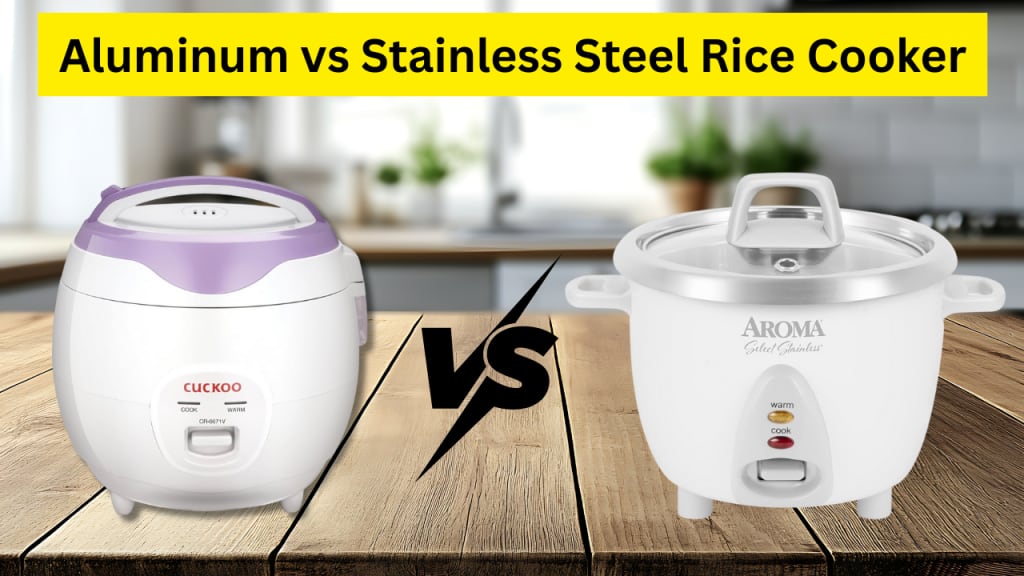
When buying a rice cooker, the inner pot material matters more than most people think. It affects how rice cooks, how easy cleanup feels, and how long the cooker lasts. I notice this especially when making simple white rice for weeknight dinners, which is common in many US homes.
This is why the debate around aluminum vs stainless steel rice cooker comes up so often. Aluminum heats fast and feels light. Stainless steel feels solid and steady. I like how each option fits a different cooking style, budget, and daily routine.
What Is an Aluminum Rice Cooker?
An aluminum rice cooker is a countertop appliance that cooks rice using an aluminum inner pot. Aluminum heats fast and spreads heat evenly, which helps rice cook without burning. When comparing aluminum vs stainless steel rice cooker options, this quick heat response is the main difference.
These cookers work well for busy homes, meal prep, and large families. In many US kitchens, they are popular for everyday white rice, jasmine rice, and simple one-pot meals. I like how fast they cook when dinner needs to be ready quickly, though they may not feel as heavy-duty as steel model
Not all aluminum rice cookers are the same. The type of aluminum in the inner pot affects safety, durability, and ease of cleaning. Here are the main types you will see:
Untreated aluminum: This type heats very fast and costs less. It can react with acidic foods and may stain over time, which is why many users avoid it for daily cooking.
Anodized aluminum: This aluminum has a hardened surface. It is non-reactive, durable, and easier to clean. I notice it holds up better for long-term use.
Non-stick coated aluminum: These pots release rice easily and clean fast. Some use ceramic coatings, which many US buyers prefer for PFAS-free cooking.
Composite or multi-ply aluminum: These combine aluminum with stainless steel layers. They heat evenly and resist warping, but usually cost more.
Pros
Heats very fast, so rice cooks evenly with fewer burnt spots
Uses less energy since it reaches cooking temperature quickly
Costs less than stainless steel models, which helps tight budgets and students
Feels light and easy to lift, store, and clean
Works well for daily white rice and jasmine rice, common in many US kitchens
It saves time on busy weeknights when one want food done fast
Cons
Can react with acidic or salty foods if the pot is not coated
Stains and dulls over time, which makes cleaning harder
Scratches and dents more easily than stainless steel
Does not last as long as steel options, especially with heavy use
Non-stick coatings may wear out and need replacement sooner
Not induction-ready unless built with a special base
What Is a Stainless Steel Rice Cooker?
A stainless steel rice cooker uses a steel inner pot instead of aluminum or non-stick coatings. Most quality models use food-grade 304 steel, which does not react with food. In the aluminum vs stainless steel rice cooker debate, steel stands out for safety and durability, while aluminum cooks faster but reacts more easily.
Stainless steel rice cookers work well for people who cook rice often and want one pot that lasts for years. In many US homes, they are used not only for rice but also for oatmeal, beans, soups, and meal prep. I notice they handle salty and tomato-based dishes better without changing taste.
Types of stainless steel construction
Stainless steel pots vary in quality and performance. The build and steel grade make a real difference.
Grade 304 (18/8) stainless steel: The most common and trusted option. It resists rust, does not react with food, and is safe for daily cooking.
Grade 316 stainless steel: A premium option with extra resistance to salt and acids. Often found in high-end or heavy-use models.
Tri-ply construction: Stainless steel layers wrapped around an aluminum or copper core. This improves heat spread and reduces scorching.
Impact-bonded base: A thick heat plate fused to the bottom. It costs less than tri-ply but still helps prevent hot spots.
Pros
Non-reactive surface that keeps food taste clean
No chemical coatings like PFAS or PFOA
Strong and resistant to dents, scratches, and rust
Handles acidic and salty recipes safely
Looks solid after years of use
Cons
Cooking needs a bit more attention at first
Takes longer to heat compared to aluminum
Heavier inner pot, especially in large sizes
Rice can stick if heat is too high or water is low
Costs more upfront than basic aluminum models
Aluminum vs Stainless Steel Rice Cooker: Key Differences
Heat Distribution
Aluminum rice cookers heat very fast and spread heat evenly across the pot. Rice reaches a boil quickly, which helps on busy weeknights. In the aluminum vs stainless steel rice cooker debate, this fast heat reduces waiting time and limits uneven cooking.
Stainless steel cookers heat more slowly because steel does not conduct heat well on its own. Without a layered base, hot spots can form near the heater. I find they work best when cooking slowly, where steady heat matters more than speed.
Cooking Performance
Aluminum rice cookers respond quickly when heat changes. This helps avoid overcooking during the keep-warm stage. For everyday white rice, which many US households cook often, aluminum usually delivers soft grains with less effort and less monitoring.
Stainless steel cookers hold heat longer once they warm up. This creates a gentle cooking environment that works well for brown rice, oats, or porridge. I notice rice may stick if water levels are off, so timing matters more here.
Durability and Lifespan
Aluminum rice cookers are lighter but easier to dent or warp if dropped. Non-stick versions may need replacement after a few years as coatings wear out. This makes aluminum better for short-term or casual use.
Stainless steel cookers feel solid and built to last. They resist scratches and do not warp under high heat. In many kitchens, they stay in service for over a decade, which changes the long-term value equation.
Safety and Health Factors
Aluminum cookers can react with acidic or salty foods if the surface is damaged. Most modern models use coatings to reduce this risk, but scratches can still be a concern over time. I stay careful when cooking tomato-based dishes.
Stainless steel rice cookers are non-reactive and do not need chemical coatings. They do not leach into food, which is why many health-focused buyers prefer them. This is a key reason they stand out in aluminum vs stainless steel rice cooker comparisons.
Maintenance and Cleaning
Aluminum cookers need gentle care. Harsh cleaners and dishwashers can dull the surface. Non-stick pots clean fast but scratch easily, so soft sponges are a must. Most users find upkeep takes a bit more attention.
Stainless steel rice cookers handle scrubbing and dishwashers without damage. Food may stick more, but soaking solves most issues. For people who want low-stress cleaning after meals, steel offers more flexibility.
Price and Value for Money
Aluminum rice cookers cost less upfront and fit student budgets or first apartments. They make sense when affordability matters more than long-term use. Many buyers see them as a practical, short-term solution.
Stainless steel cookers cost more at first, sometimes nearly double. Over time, fewer replacements balance that cost. For families cooking rice often, the long lifespan can make stainless steel a better value.
Which Cooker Material(aluminum,stainless) Is Better for Different Users?
Best for Daily Home Cooking
For daily meals, aluminum works well if speed matters. In the aluminum vs stainless steel rice cooker choice, aluminum suits busy routines, quick white rice, and simple dinners common in many US homes.
Best for Health-Conscious Users
Stainless steel is better for health-focused users. It is non-reactive and coating-free, which matters when cooking acidic foods. I notice it feels safer for families who cook varied meals often.
Best for Budget Buyers
Aluminum is the clear winner for tight budgets. It costs less, cooks fast, and stays lightweight. This makes it practical for students, renters, or anyone needing a basic rice cooker.
Best for Long-Term Use
Stainless steel fits long-term use best. It lasts many years, handles heavy cleaning, and resists damage. In the aluminum vs stainless steel rice cooker decision, durability favors stainless steel clearly.
Aluminum vs Stainless Steel Cooker: Which Should You Buy?
In the aluminum vs stainless steel rice cooker choice, the better pick depends on how you cook. If your priority is speed, simple controls, and quick white rice after a long day, an aluminum-based cooker like the CUCKOO CR-0671V style makes sense. I notice this approach works well for smaller households and busy routines. If you cook often and want one pot that handles rice, oats, and acidic dishes without worry, a stainless steel option similar to the AROMA ARC-753SG style fits better. Aluminum favors convenience, while stainless steel rewards long-term use.
FAQs
Is stainless steel better than aluminum for rice cookers?
Yes. In the aluminum vs stainless steel rice cooker choice, stainless steel is better for long-term use. It is non-reactive, durable, and safer for cooking different foods.
Do aluminum rice cookers affect food quality?
Sometimes. Bare aluminum can react with acidic or salty foods and change taste. Coated or anodized pots reduce this issue for regular rice cooking.
Which rice cooker lasts longer, aluminum or stainless steel?
Stainless steel lasts longer. Aluminum pots, especially non-stick ones, often wear out sooner and may need replacement after a few years.
Are stainless steel rice cookers harder to clean?
No. Rice may stick at first, but stainless steel handles soaking and scrubbing well. Many models are dishwasher safe, which helps in busy kitchens.
Which material is better for electric rice cookers?
Both work well. Aluminum cooks faster and uses less energy. Stainless steel heats slower but cooks more evenly over time.
Are aluminum rice cookers safe?
Yes, most modern aluminum rice cookers are safe. Anodized or coated pots limit metal contact with food, but scratched surfaces should be used with care.
Are aluminum rice cookers safe for long-term use?
They can be, but stainless steel offers more peace of mind. In the aluminum vs stainless steel rice cooker debate, steel is the safer long-term option.
About the Creator
Mohammed mamun
Hi, I'm Mohammed Mamun — a chef, food blogger, and content writer with 15 years of experience in the culinary world. I specialize in honest reviews of home appliances and create simple, flavorful recipes for home cooks and food lovers alike
Keep reading
More stories from Mohammed mamun and writers in Lifehack and other communities.
Moving to Melbourne Apartments: High-Rise Access, Lifts, and Building Rules Explained
If you’ve ever watched your truck sit idle while your belongings pile up on the footpath, you already know this: apartment moves don’t fail quietly. They fail in public, under pressure, with everyone watching the clock.
By Ava Williaamsa day ago in Lifehack
From the East Coast to the Pacific Northwest: Relocating from Boston to Seattle
Relocating from Boston to Seattle represents one of the most significant moves a person can make within the United States. It’s not just a coast-to-coast relocation in terms of distance, but also a transition between two very different ways of life. Understanding what changes to expect—both practical and personal—can make the experience far more manageable and rewarding.
By House Doctor7 days ago in Lifehack



Comments
There are no comments for this story
Be the first to respond and start the conversation.