
All you need to know about Excavators
Choosing the Right Excavator for The Job
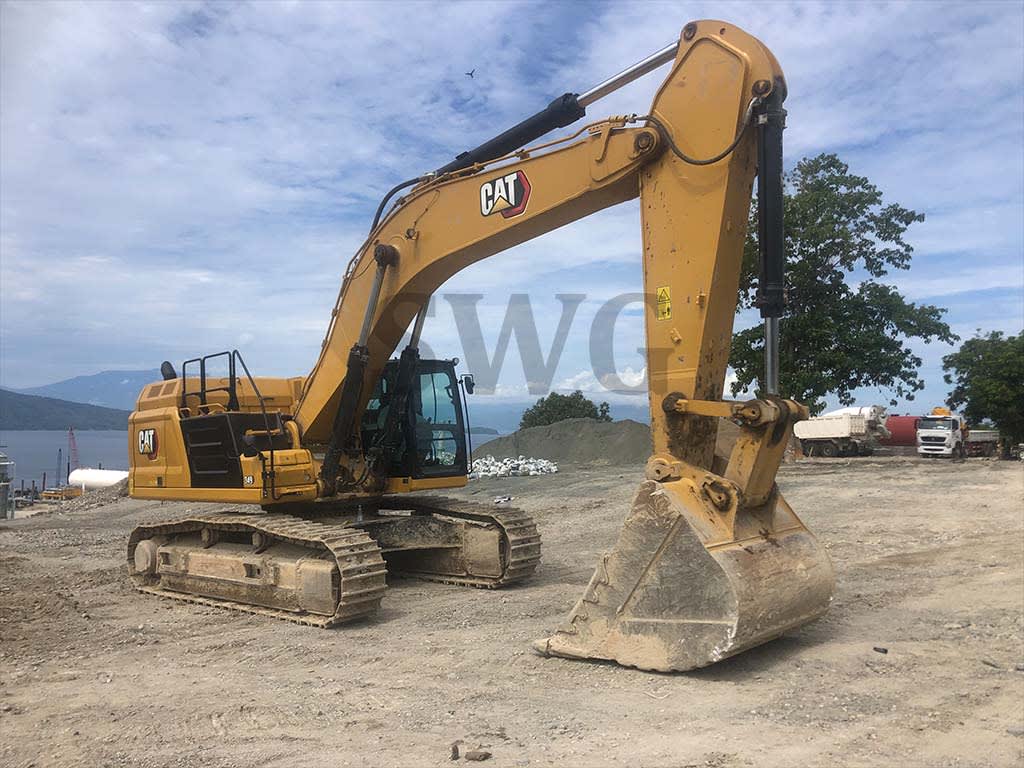
The following are some of the factors you should consider when thinking about an equipment rental
Size
Will I require a small, medium, or large excavator? The size of the excavator needed will be determined by the weight of the materials to be lifted.
Jobsite Conditions
Is your job site a flat, empty landscape? Or is it a city with many buildings and other obstacles? The terrain determines the type of machine and attachments required to complete the job efficiently and safely.
Weight
The maximum operating weight of the excavator is important to know.
Capacity
Different buckets can handle different weights. You should ensure that the excavator you choose can handle the size of bucket required for your job.
Storage needs
Depending on your location, you may need an indoor storage facility to house the excavator during frigid, stormy, or excessively rainy weather.
Applications of Excavators
Following are some of the common applications of Excavators
- Digging trenches, holes, ditches, foundations, and underground excavation.
- Material Handling
- Demolition
- River dredging
- Driving piles
Types of Excavators
There are different types of excavators, each with unique benefits and drawbacks. The following categories of excavators are the most popular and commonly used worldwide:
- Crawler Excavators
- Wheeled Excavators
- Dragline Excavators
- Suction Excavators
- Skid Steer Excavators
- Long Reach Excavators
- Mini Excavators
- Crawler Excavators
Crawler Excavators are also referred to as track excavators, compact excavators, general-purpose excavators, or standard excavators. They are commonly used in mining operations and heavy-duty construction work as they run on two large trucks.
2. Wheeled Excavators
The wheeled excavator is similar to a regular excavator, but it has wheels instead of tracks. The main advantage of wheeled excavators is that they can be easily moved from one job site to another.
3. Dragline Excavators
Dragline excavators are larger excavators that clear dirt and soil for underwater projects, pile driving, or road excavations using a hoist rope and dragline system.
4. Suction Excavators
Suction excavators are also known as vacuum excavators. Suction excavators use water jets and a high-pressure vacuum to remove dirt, soil, and debris. very useful for delicate excavation tasks, debris cleanup, and underground applications.
5. Skid Steer Excavators
The booms and buckets on the skid steers face away from the driver. For small projects and residential work, skid steers are commonly used.
6. Long Reach Excavators
A long reach excavator has an extended boom and arm that provides a longer working range for performing tasks that are difficult to reach, such as deep trenching and underwater digging etc.
7. Mini Excavators
Mini excavators, which are compact, smaller versions of crawler excavators, are useful in narrow job sites, job sites with obstacles, and jobs with delicate terrains, such as landscaping.
Excavator Types Based on Equipment Weight
Excavators can be divided into the following three groups according to the weight of the equipment:
- Standard excavators: Commonly used for heavy lifting and bulk earthmoving tasks, standard excavators typically weigh between 22,046 and 200,000 pounds.
- Midi Excavators: Midi excavators are more powerful than mini excavators and are frequently used in limited spaces. They weigh between 13,227 and 22,046 pounds.
- Mini Excavators: Weighing less than 13,227 pounds, mini excavators are smaller in size but versatile and widely used in tight job spaces.
Excavator Manufacturers
- Caterpillar
- Komatsu
- Hitachi
- Doosan
- Hyundai Heavy Industries
- Mahindra
- Volvo
- Terex Corporation
- John Deere
Looking for used excavators for sale? Get the widest range of used excavators for sale from Southwest Global, we have the best selection of used construction equipment in Australia, Mexico, Ghana, and Chile.
About the Creator
Keep reading
More stories from writers in Lifehack and other communities.
The Calm Within the Chaos: How Grounding Yourself Can Change Your Life
I know what it feels like to wake up already overwhelmed, as if the day is asking more from you than you have to give. Your phone lights up, your thoughts speed up, and your body tightens before anything has actually gone wrong.
By Anie the Candid Writer Abroad7 days ago in Lifehack
🅼🅸🅳🅽🅸🅶🅷🆃 🆂🅽🅰🅲🅺🆂
"It's 10 in Tuscon! We all know what that means... It's Time for Midnight Snacks with your man, Gerald Gee! Ready to spend the night together? Me too! I'm full of snacks and can't wait to regurgitate them all back into your hungry ears. Crack a brew! Pop some corn! Anything to get ready for one hell of a show where the talk maybe cheap but the words cut deep...
By Lamar Wiggins4 days ago in Fiction




Comments
There are no comments for this story
Be the first to respond and start the conversation.