
All About Nun Peak Expedition
Summiting the Majestic Mount Nun: A High-Altitude Odyssey in the Himalayas
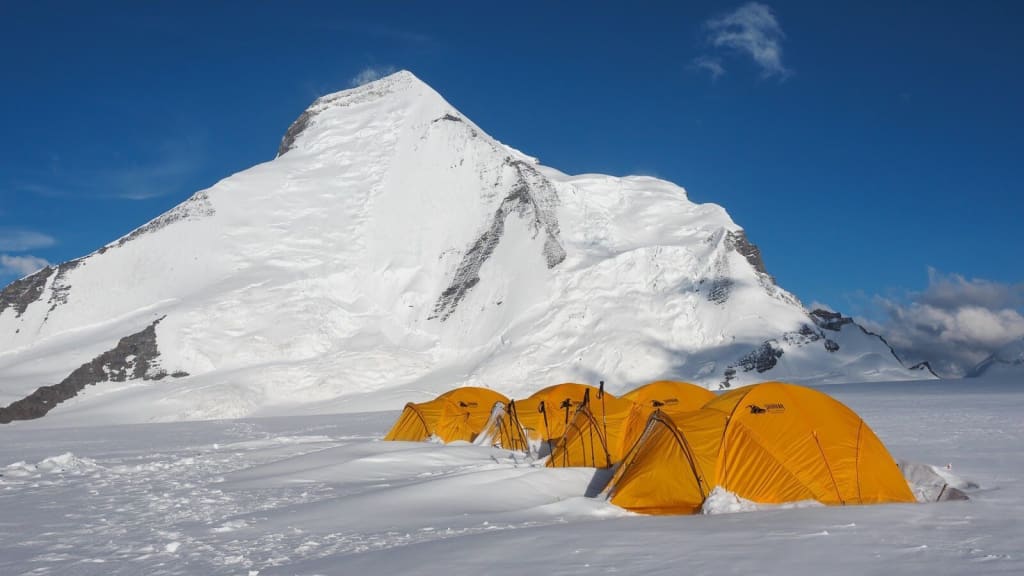
At the intersection of ambition, perseverance, and nature’s raw beauty lies Mount Nun, a towering peak that stands at 7,135 meters (23,409 feet) in the Ladakh region of India. Part of the Nun Kun massif in the Zanskar Range, Mount Nun is an alluring challenge for mountaineers across the world. Its snow-covered summit, glacial terrain, and unpredictable weather conditions have earned it a place among the most coveted climbs in the Indian Himalayas. However, the climb to its summit is not for the faint-hearted. It requires a unique combination of technical expertise, physical stamina, and mental strength.
This article takes an in-depth look at Mount Nun’s formidable ascent, exploring its history, the logistics of summiting the peak, the challenges climbers face, and the unforgettable experiences of those who have taken on this majestic mountain.
An Introduction to Mount Nun and Its Significance
Mount Nun is part of the Nun Kun massif, a stunning mountainous region located in the Suru Valley of Ladakh, India. The massif consists of two major peaks: Mount Nun (7,135 meters) and Mount Kun (7,077 meters). Together, these peaks form the highest mountain range in Ladakh, and Mount Nun, being the taller of the two, holds the distinction of being the highest peak in the region.
The mountain is located in the Kargil district of Jammu and Kashmir, making it a prime target for climbers visiting this remote part of the Indian Himalayas. Mount Nun and Mount Kun are often referred to as the "twin peaks" of the Suru Valley due to their close proximity and similar grandeur. Together, they dominate the landscape, offering awe-inspiring views from various vantage points around the valley.
What makes Mount Nun particularly enticing for climbers is its challenging nature. The peak’s technical climbing difficulty, the ever-changing weather, and its sheer altitude make it an enticing challenge for mountaineers seeking to test their limits.
The History of Mount Nun and Its First Ascent
The history of Mount Nun is rich with stories of daring mountaineers and their relentless pursuit of the summit. The first recorded expedition to Mount Nun was in 1953, led by Pierre Vittoz, a Swiss mountaineer, and Claude Kogan, a pioneering French female climber. This expedition marked a significant milestone, as Kogan became one of the first women to climb such a challenging peak.
The first successful summit of Mount Nun was a momentous occasion, with Kogan’s participation serving as an inspiring example for women in mountaineering. The climb was an arduous one, as the mountain was far from the well-trodden routes that climbers were accustomed to in the Himalayas. However, with the expertise and determination of the expedition team, Mount Nun was finally conquered, solidifying its place in mountaineering history.
Since then, Mount Nun has been a prime destination for adventurers looking to push their limits and climb one of the highest peaks in India. Its challenging terrain and technical climbs continue to attract skilled mountaineers from around the globe.
Preparing for the Mount Nun Expedition: Essential Requirements
Before embarking on the journey to summit Mount Nun, climbers must prepare both physically and mentally. This is no ordinary trek—it requires exceptional mountaineering skills and a strong level of fitness to tackle the high-altitude environment, harsh weather, and demanding terrain.
Physical Preparation
The climb to Mount Nun is physically demanding. It is essential that climbers engage in rigorous physical training well before the expedition. Focus should be placed on increasing stamina and building strength for long days of trekking and climbing. Cardiovascular exercises, such as running, cycling, and hiking, can help improve endurance, while strength training for the core and legs will help with the physical demands of climbing.
Climbers should also engage in altitude training. Since Mount Nun stands at over 7,000 meters, the body will face challenges such as oxygen depletion and a lack of acclimatization. The ability to acclimatize properly will determine whether the body can handle the high-altitude conditions. Climbers should practice hiking at altitudes of 3,000 meters and above before attempting the summit to ensure they are familiar with the effects of reduced oxygen levels.
Technical Skills
Mount Nun requires technical expertise in high-altitude mountaineering. The climb includes sections of steep icefalls, rock climbing, and navigating through glaciers and crevasses. Climbers should have experience with ice climbing and rope systems, as well as glacier travel techniques.
Climbers should also be proficient in the use of ice axes, crampons, and harnesses, as well as having knowledge of basic mountaineering safety practices, such as self-arresting after a fall and crevasse rescue techniques.
Mental Preparation
The mental demands of summiting Mount Nun are equally important. The journey is long and strenuous, and the weather conditions can quickly become hazardous. Climbers must remain mentally strong, keeping a clear mind during both the climb and descent. Doubts, fatigue, and altitude sickness are common, and climbers must be able to push through these mental barriers to complete the journey.
The Expedition Route: Step-by-Step Guide
Mount Nun expedition is not for the faint of heart. The 23-day journey requires climbers to navigate through rugged terrain, acclimatize to the high-altitude environment, and deal with unpredictable weather conditions.
Day 1-3: Arrival and Acclimatization in Delhi and Leh
The journey begins with a flight to New Delhi, where climbers are introduced to the expedition team. The first few days are spent in Delhi to complete any necessary paperwork with the Indian Mountaineering Foundation (IMF). Climbers are then flown to Leh, the capital of Ladakh, where they will spend time acclimatizing to the high altitude.
During this period, climbers visit important cultural and historical sites in Leh, such as the Hemis Monastery and Thiksey Monastery, which provide a chance to relax and enjoy the local Ladakhi culture.
Day 4-7: Journey to Base Camp
After a few days in Leh, climbers begin their drive to Kargil, followed by a trek to Tangol, the base camp for Mount Nun. The trek takes climbers through beautiful landscapes and rugged terrain, giving them their first close-up views of the mighty Mount Nun. The base camp is situated at an altitude of 4,600 meters and serves as the starting point for the ascent.
Day 8-12: Acclimatization and Setting Up Camps
Once at the base camp, climbers spend several days acclimatizing and preparing for the ascent. The climb begins in earnest with a series of treks to establish higher camps. Camp 1 is set at 5,468 meters, followed by Camp 2 at 5,990 meters. Each day brings more technical climbing, requiring climbers to navigate icefalls, crevasses, and glaciers.
Acclimatization days are included throughout this process to ensure climbers are well-prepared for the increasingly difficult conditions at higher altitudes.
Day 13-19: Summit Push
The final push toward the summit involves climbers reaching the summit camp at 6,436 meters. The climb from Camp 2 to the summit is the most difficult section of the expedition. Climbers face steep sections of ice and snow, requiring constant rope work and careful navigation. After reaching the summit, climbers take in the breathtaking panoramic views before descending back to Camp 2.
Day 20-23: Descent and Return to Leh
After summiting Mount Nun, climbers descend back through the established camps to base camp. From base camp, climbers trek back to Tangol, Kargil, and then Leh. The journey concludes with a debriefing session at the Indian Mountaineering Foundation in Delhi before climbers head back to their homes.
Challenges Faced on the Climb
The climb to Mount Nun is fraught with challenges. The primary challenges include:
Weather: Mount Nun is known for its harsh and unpredictable weather. Climbers must be prepared for freezing temperatures, heavy snow, and strong winds, especially above the 5,000-meter mark.
Altitude: The thin air above 5,000 meters causes reduced oxygen levels, making it difficult to breathe and increasing the risk of altitude sickness. Acclimatization is key to overcoming this challenge.
Technical Terrain: The mountain’s glacial terrain, steep slopes, and icefalls demand technical climbing skills, making the expedition a challenging endeavor for even seasoned mountaineers.
Mental Endurance: The long, exhausting days and the constant battle against fatigue require strong mental endurance. Climbers often find themselves questioning whether they can continue, but their determination pushes them toward the summit.
The Reward: Conquering Mount Nun
Despite the challenges, the reward of summiting Mount Nun is unparalleled. The panoramic views from the summit, including vistas of nearby peaks like Mount Kun, the Karakoram Range, and the vast expanse of the Tibetan Plateau, are a breathtaking sight that makes every step worth the effort.
Beyond the physical reward, summiting Mount Nun is an achievement that provides climbers with a deep sense of personal fulfillment. The triumph of reaching the summit and overcoming the mountain’s formidable challenges is a reminder of human resilience, determination, and the spirit of adventure.
Conclusion
Mount Nun is not just a mountain—it's a test of strength, determination, and passion for adventure. Its formidable height, technical climbing challenges, and unpredictable weather conditions make it a sought-after peak for experienced climbers. For those who take on this incredible challenge, the journey to the top of Mount Nun is a transformative experience that will remain etched in their memories forever. Whether conquering it for personal achievement or as part of an expedition, Mount Nun stands as one of the ultimate climbing goals in the Himalayas.
About the Creator
Rawat Sikhar
Rawat is a seasoned digital marketing expert with a knack for crafting compelling campaigns and leveraging data-driven strategies to maximize online visibility and engagement.
Keep reading
More stories from Rawat Sikhar and writers in Lifehack and other communities.
How to Plan Jaipur Tour from Delhi
Jaipur, the capital city of Rajasthan, is known as the "Pink City" due to its distinct pink-colored architecture. It is a vibrant city rich in history, culture, and heritage. For those planning a tour from Delhi to Jaipur, it is essential to consider the best travel options, accommodation, and the must-see attractions in Jaipur. This guide will provide a step-by-step plan for a trip from Delhi to Jaipur, covering transportation, accommodation, key sightseeing spots, local cuisine, and shopping tips, helping you make the most of your Jaipur experience.
By Rawat Sikharabout a year ago in Lifehack
Slow Thinking: Power in a Fast World
In an era of instant notifications and rapid decisions, slow thinking emerges as a vital counterforce. This deliberate approach, popularized by thinkers like Daniel Kahneman in Thinking, Fast and Slow, contrasts reactive impulses with measured reflection, yielding superior outcomes in work, life, and creativity. Platforms like DeContrabas quietly embody this philosophy, offering minimalist spaces where ideas can breathe and deepen.
By Tracee Jones7 days ago in Lifehack
🅼🅸🅳🅽🅸🅶🅷🆃 🆂🅽🅰🅲🅺🆂
"It's 10 in Tuscon! We all know what that means... It's Time for Midnight Snacks with your man, Gerald Gee! Ready to spend the night together? Me too! I'm full of snacks and can't wait to regurgitate them all back into your hungry ears. Crack a brew! Pop some corn! Anything to get ready for one hell of a show where the talk maybe cheap but the words cut deep...
By Lamar Wiggins6 days ago in Fiction




Comments (1)
🤑🤑🤑🤑The best Broker with tight spread click on the link below to create your account https://track.deriv.com/_YUG5ZTnGxhFBMfcXPt5VjGNd7ZgqdRLk/1/ 📌Click Create a Free demo Account 📌Put in your email (click create account) 📌Verify your email( the verification message is sent at your email) 📌Create password then click Start trading #then click cfds and create a mt5 account #now download mt5 from Google play store #login to your mt5 account and start trading