
A Complete Guide to Choosing the Best Biodegradable Paper Bowls
Everything You Need to Know About Eco-Friendly Paper Bowls for Sustainable Food Packaging

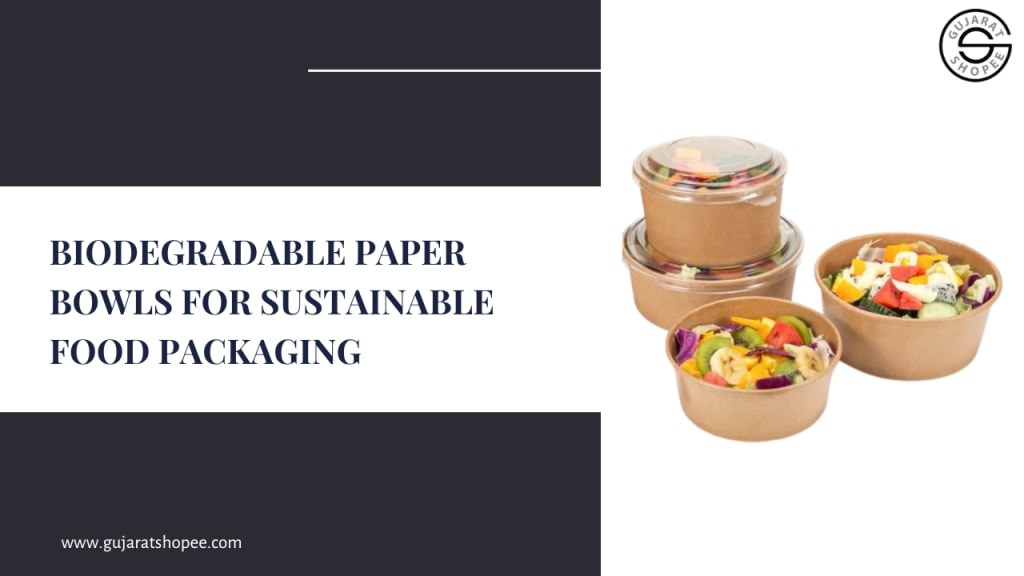
In today’s environmentally conscious world, sustainable packaging solutions are becoming a necessity. Whether you run a food business, cater events, or simply prefer eco-friendly alternatives for your home, biodegradable paper bowls offer a fantastic solution. They not only reduce environmental impact but also provide a safe and practical option for food service.
This guide will help you choose the best biodegradable paper bowls for sustainable food packaging by covering their benefits, types, factors to consider, and top recommendations.
Why choose Biodegradable Paper Bowls?
1. Eco-Friendly Alternative
Biodegradable paper bowls decompose naturally, reducing landfill waste and lowering your carbon footprint. Unlike plastic bowls, they break down into organic matter, enriching the soil rather than polluting it.
2. Safe for Food Use
Most biodegradable paper bowls are made from food-grade materials, ensuring that they do not release harmful chemicals into your food. They are free from chlorine, toxins, and synthetic coatings, making them ideal for serving hot and cold meals.
3. Durable and Leak-Resistant
Modern manufacturing techniques have improved the durability of biodegradable paper bowls. Many come with natural plant-based coatings like PLA (polylactic acid) or aqueous linings that prevent leaks and make them suitable for a variety of dishes.
4. Versatile for Various Applications
From restaurants and food trucks to picnics and parties, biodegradable paper bowls cater to different needs. They are available in multiple sizes, designs, and thickness levels to accommodate all types of cuisines.
Types of Biodegradable Paper Bowls
Understanding the different types of biodegradable paper bowls can help you select the right option for your needs.
1. Uncoated Paper Bowls
These bowls are made from 100% paper pulp and are fully compostable. However, they are best suited for dry foods like salads and snacks, as they may not be resistant to liquid-based dishes.
2. PLA-Coated Paper Bowls
PLA (polylactic acid) is a biodegradable plant-based coating derived from cornstarch. It provides a grease-resistant and waterproof barrier, making these bowls ideal for soups, curries, and other liquid-heavy meals.
3. Aqueous-Coated Paper Bowls
Aqueous coatings use a water-based formula to create a protective layer on the paper bowl. This option is more sustainable than PLA as it eliminates the need for plastic-based linings while still ensuring water resistance.
4. Bagasse Paper Bowls
Bagasse is a byproduct of sugarcane processing, and it is a highly sustainable material used for biodegradable packaging. These bowls are sturdy, compostable, and heat-resistant, making them a perfect choice for hot foods.
5. Recyclable Paper Bowls
Some paper bowls are designed with minimal coatings to ensure they can be easily recycled. While they may not be 100% compostable, they are an excellent option for reducing overall waste.
Factors to Consider When Choosing Biodegradable Paper Bowls
To select the right biodegradable paper bowls for sustainable food packaging, consider the following factors:
1. Material Composition
Ensure that the paper bowls are made from responsibly sourced materials like FSC-certified paper, bagasse, or bamboo pulp. The composition affects durability, heat resistance, and compostability.
2. Intended Use
- For Dry Foods: Uncoated or light-coated paper bowls will suffice.
- For Soups & Liquids: PLA-coated or aqueous-coated bowls provide leak-proof protection.
- For Hot Foods: Bagasse paper bowls offer superior heat resistance.
3. Size and Capacity
Biodegradable paper bowls come in various sizes ranging from 8 oz to 32 oz. Select the size based on portion requirements. For takeout and catering, a mix of sizes is beneficial.
4. Compostability and Certifications
Look for certifications such as:
- BPI (Biodegradable Products Institute) Certification
- FSC (Forest Stewardship Council) Certification
- TUV OK Compost Certification
These labels ensure that the bowls meet industry standards for biodegradability and compostability.
5. Durability and Strength
High-quality biodegradable paper bowls should be strong enough to hold food without bending or leaking. Check product reviews or test samples before making a bulk purchase.
6. Microwave and Freezer Compatibility
If you need microwave-safe or freezer-friendly bowls, opt for bagasse-based or PLA-coated options that can withstand temperature variations.
How to Dispose of Biodegradable Paper Bowls Properly
While these bowls are biodegradable, their disposal method affects the breakdown process.
1. Composting
If the bowls are uncoated or PLA-coated, they can be composted in industrial composting facilities or home compost bins. They usually take 2-6 months to break down.
2. Recycling
Some lightly coated paper bowls can be recycled, but heavily waxed or PLA-coated ones may not be accepted by all recycling programs. Check local guidelines before disposing of them.
3. General Waste Disposal
If composting or recycling is not an option, biodegradable paper bowls will still degrade faster in landfills compared to plastic alternatives.
Final Thoughts
Switching to biodegradable paper bowls for sustainable food packaging is a responsible choice that benefits both businesses and the environment. By considering factors like material composition, durability, and disposal methods, you can select the best eco-friendly bowls for your needs.
About the Creator
Gujarat Shopee
Gujarat Shopee is an online shopping site in India to buy bakery products packaging, food packaging, plastic cutlery, disposable & biodegradable products, wooden cutlery, food paper boxes, bagasse products, glass jars and corrugated boxes.
Keep reading
More stories from Gujarat Shopee and writers in Lifehack and other communities.
Why Restaurants and Cafés Should Invest in Custom Printed Paper Bowls
In the competitive food and beverage industry, branding plays a crucial role in attracting and retaining customers. Every element of a restaurant or café’s presentation— from the menu to packaging— contributes to the overall brand identity. One of the most effective yet often overlooked branding tools is custom printed paper bowls for branding and marketing. These bowls not only serve as food containers but also as powerful marketing tools that enhance customer experience, promote brand visibility, and reinforce brand loyalty.
By Gujarat Shopeeabout a year ago in Lifehack




Comments
There are no comments for this story
Be the first to respond and start the conversation.