
A Beginner's Guide to Enjoying Harvested Plant Medicine from Your Garden
Practical Tips for Harvesting, Preparing, and Enjoying the Healing Benefits of Your Homegrown Herbs
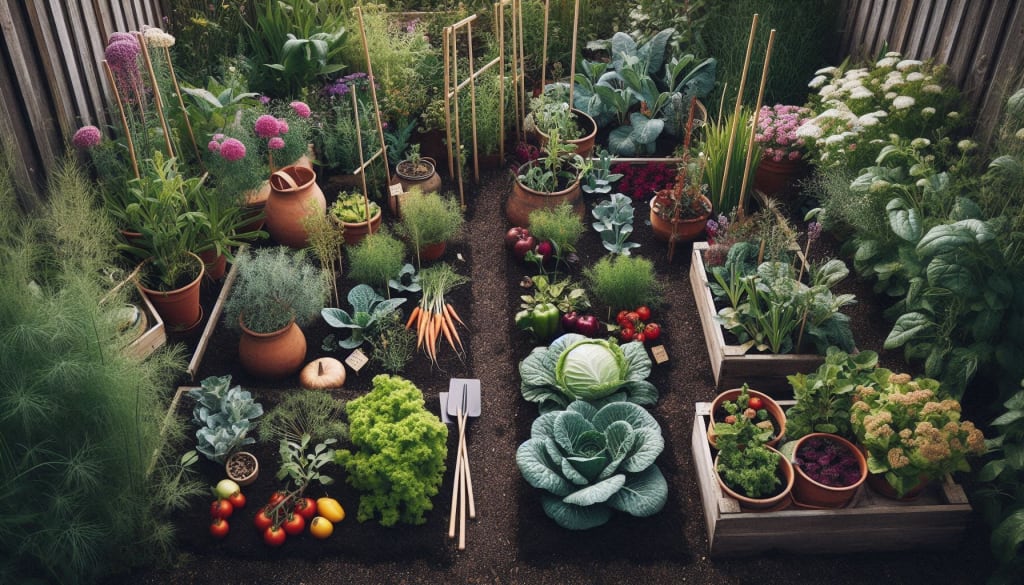
Growing your own plant medicine can be a rewarding experience, allowing you to connect with nature while cultivating a source of health and wellness. After the hard work of nurturing your garden, harvesting your plants, and preparing them for use, it's time to enjoy the benefits they offer. Here’s how you can effectively use and relish the plant medicine you’ve grown.
Step 1: Dry and Cure Your Harvest
Once you've harvested your medicinal plants, the first important step is drying and curing. This ensures the plant material is properly preserved, preventing mold growth and improving potency. Whether you’ve grown herbs like chamomile, lavender, or medicinal cannabis, drying them correctly will allow you to store them for a long time while maintaining their efficacy.
To dry your plants, hang them upside down in a cool, dark, and well-ventilated area. The drying process can take anywhere from a few days to two weeks, depending on the type of plant. Once dry, store the herbs in airtight containers in a dark, cool place to retain their potency and flavor.
Step 2: Choose the Best Consumption Method
Now that your plants are dried and ready, the next step is determining how to consume them. Each type of medicinal plant has different methods of preparation, and the way you consume it can affect its efficacy.
Herbal Teas
One of the easiest and most common ways to use your homegrown plant medicine in Canada is by making herbal teas. Simply steep dried herbs in hot water for 5–10 minutes, depending on the plant. Chamomile, peppermint, and lemon balm are popular choices for teas that can aid in relaxation, digestion, and stress relief.
Tinctures and Extracts
For more potent forms of herbal medicine, you can create tinctures or extracts. These involve steeping your dried plant material in alcohol, vinegar, or glycerin over a period of time (usually several weeks) to extract the active compounds. Tinctures are easy to use, as you can add a few drops to water or take them directly for concentrated benefits.
Topical Applications
Many medicinal plants are effective when applied topically. You can create salves, balms, or oils by infusing your plants in a carrier oil (such as coconut or olive oil) and applying them to the skin. This is a great way to enjoy plants like calendula, arnica, or lavender for their anti-inflammatory and soothing properties.
Step 3: Experiment with Recipes
One of the joys of growing your own plant medicine is experimenting with recipes that integrate them into your daily routine. You can infuse herbs into foods or drinks, create skincare products, or add them to bath soaks for relaxation.
Infused Oils and Vinegars
Infused oils and vinegars are a delicious and easy way to incorporate medicinal plants into your diet. For example, you can infuse rosemary or thyme into olive oil and use it for cooking, or add herbs like basil or oregano into vinegar to make flavorful salad dressings. Not only will you enjoy the flavor, but you’ll also reap the health benefits of these medicinal plants.
Herbal Bath Soaks
Using your harvested plants in bath soaks is another way to relax and enjoy their therapeutic properties. Herbs such as lavender, chamomile, and rose can be added to warm water for a calming and soothing bath. This method helps release the herbs' natural oils, providing skin benefits while promoting mental relaxation.
Step 4: Incorporate Meditation and Mindfulness
While using your homegrown plant medicine, it’s important to practice mindfulness. Cultivating an intentional routine of herbal use allows you to connect more deeply with the plants and their healing properties.
Whether you’re drinking a cup of herbal tea, applying a soothing salve, or soaking in a herbal bath, take time to appreciate the aroma, taste, and effects. Mindfulness practices like deep breathing or meditation can amplify the benefits of the plant medicine by calming your mind and allowing your body to fully receive its healing properties.
Step 5: Share with Family and Friends
If you've grown an abundant garden, consider sharing your plant medicine with loved ones. You can gift herbal teas, homemade tinctures, or even create custom blends tailored to your friends' needs. Sharing the fruits of your labor not only spreads wellness but also deepens your connection with your community.
Conclusion
Growing and enjoying your own plant medicine is a fulfilling journey that brings you closer to nature while supporting your health. By drying and curing your harvest properly, choosing the right consumption method, experimenting with recipes, and practicing mindfulness, you can make the most of the natural remedies from your garden. Whether you use them for relaxation, healing, or enhancing your meals, your homegrown plants offer endless benefits to your overall well-being.
About the Creator
Keep reading
More stories from writers in Lifehack and other communities.
Practical Bunk Bed Designs for Family Homes That Simplify Daily Life
Family homes are busy places. Children need space to sleep, play, read, and relax, often all in the same room. When furniture does not work well, daily routines can feel harder than they need to be.
By Shahid Sipra7 days ago in Lifehack
🅼🅸🅳🅽🅸🅶🅷🆃 🆂🅽🅰🅲🅺🆂
"It's 10 in Tuscon! We all know what that means... It's Time for Midnight Snacks with your man, Gerald Gee! Ready to spend the night together? Me too! I'm full of snacks and can't wait to regurgitate them all back into your hungry ears. Crack a brew! Pop some corn! Anything to get ready for one hell of a show where the talk maybe cheap but the words cut deep...
By Lamar Wiggins6 days ago in Fiction



Comments
There are no comments for this story
Be the first to respond and start the conversation.