
9 Most Important Stages in the Renovation Process
Renovating your home requires careful planning and preparation

Introduction
Are you planning to renovate your home, but you are unsure how to start the renovation process?
Renovating your home can be a daunting task. It requires careful planning and preparation to ensure the project goes smoothly from start to finish.
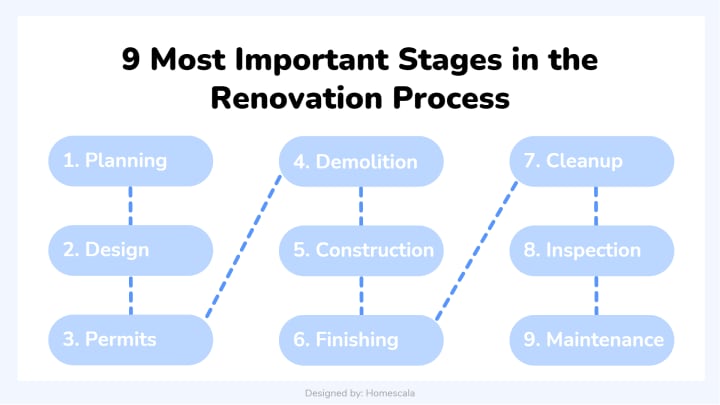
The home renovation process involves 9 main stages:
- Planning
- Design
- Permits
- Demolition
- Construction
- Finishing
- Cleanup
- Inspection
- Maintenance
Understanding each step of the process is key for successful renovations that could also increase your home value and equity.
In this article, we’ll cover all the stages of the renovation so you have everything you need to transform your house into your dream home.
Planning
Planning is the most important step of the renovation process. A careful and detailed planning process will make the whole renovation process faster and easier. It will also help you achieve your renovation goals. Many other essential steps need to be taken, but before you begin any project, it’s necessary to research the scope of the work and budget for materials and labor.
At this point, you may be wondering: how can I make a renovation plan? Start by determining what kind of renovation or remodel you want to do. Do you plan on doing a whole house renovation or one room only? Are you looking for cosmetic changes like painting walls, installing new flooring, or more substantial renovations such as adding a bathroom or expanding your living space?
Knowing what type of work needs to be done will help guide your decision-making process throughout the rest of the project.
Next, set a realistic budget for your home renovation process. Homeowners should consider both material costs (such as paint, tile, and fixtures) and labor costs (like contractors). Make sure these estimates account for any unexpected expenses that may arise during construction, as they often do.
Once you have determined how much money you have available for the job at hand, make sure not to exceed this amount while shopping around for materials and services.
You should also consult a professional contractor or architect who can help ensure your plans are feasible and up-to-code.
By taking the time upfront to properly plan all aspects of your home renovation project – from design decisions down to permitting processes – you can save yourself headaches when it comes time to begin renovating your home.
Design
Designing your home renovation can be an exciting and rewarding experience. It’s important to take the time to plan out how you want the room to look and function before beginning demolition.
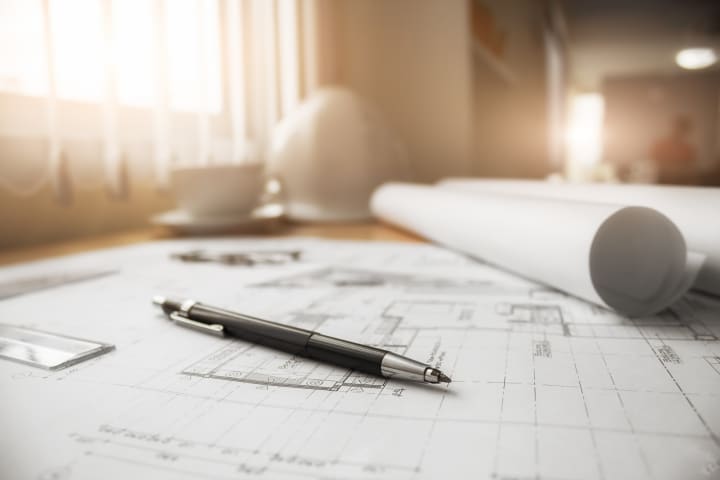
Start by sketching out a floor plan of what you envision for the space. Include measurements and any furniture or fixtures that will be included in the design. Consider how much natural light is available in each area and any potential structural issues that need to be addressed.
Think about colors, textures, final finishes, and light fixtures. These elements are essential in creating a cohesive design aesthetic throughout your home renovation project. If possible, try sourcing materials locally to help reduce costs while supporting local businesses simultaneously. And always, try to use neutral colors and avoid over-personalization.
Additionally, consider investing in energy-efficient appliances, which can save money on utility bills while helping protect our environment.
If you want to learn more about how energy efficiency affects your home value, make sure you read our article on the topic:
How Home Energy Efficiency Affects Your Home Value

Permits
If you plan to do significant work, you must consider construction permits. Permits are an important part of any home renovation project. Depending on the scope and size of your renovation, you may need to apply for permits from local authorities to begin work.
A permit may not be necessary for smaller projects such as painting or minor repairs. However, if you plan on doing major renovations like adding a room, then it’s likely that you will need one. It’s always best to check with your local building department before beginning any project so that you know what is required of you and can avoid potential fines down the line.
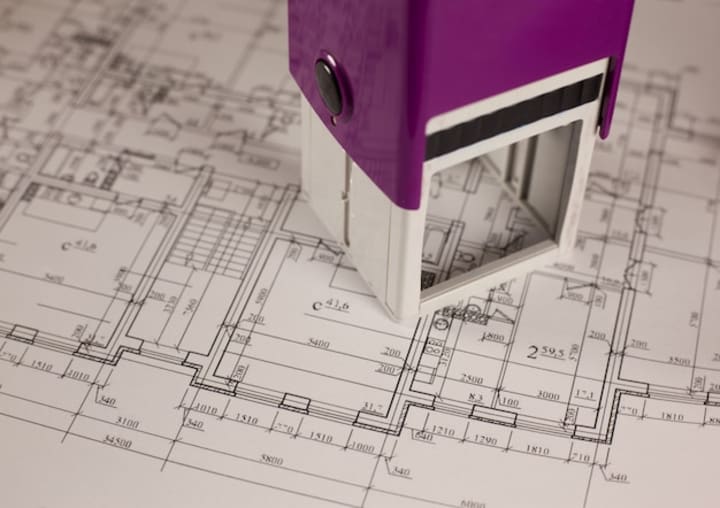
When applying for a permit, certain documents must be provided in order to obtain approval. These include plans detailing the proposed changes and drawings showing where they will take place within your home’s existing structure.
You’ll also need proof of ownership (such as a deed) and possibly other forms depending on where you live and what type of work is being done. In some cases, an inspection by a licensed contractor may also be required prior to issuing the permit.
It’s important to note that even if no permits are needed for your project, it doesn’t mean it won’t have implications when selling or refinancing your home later down the road. Lenders often require proof that all renovations were completed legally with proper paperwork filed beforehand.
Therefore, make sure to do your due diligence when planning out any renovation project to ensure everything goes smoothly throughout each step of the process – from obtaining permits to completion.
Demolition
Demolition is an integral part of the renovation process. It can be daunting, but it’s necessary to make space for work and the new updates. Depending on the scope of your project, demolition may involve tearing down walls, removing flooring or fixtures, and disposing of debris.
Before you begin demolition, it’s important to assess the condition of your home. If any structural issues need to be addressed before beginning work on the interior or exterior of your home, those should be taken care of first.
If you plan on doing some DIY demo work yourself rather than hiring a professional contractor, make sure you know what tools will be needed for each job beforehand so that you don’t incur extra costs due to purchasing additional equipment at the last minute.
Regardless of if you are doing work yourself or just visiting the site, always exercise caution during demolition, such as wearing protective gear like goggles and gloves – so that no one gets hurt in the process.
Additionally, suppose any hazardous materials are present (such as asbestos). In that case, it’s best left up to professionals who have experience dealing with these types of materials safely and properly disposing of them according to local regulations.
When demolishing walls or floors inside your home, keep in mind which parts will need replacing versus which ones can simply be repaired once they have been removed from their original location. This way, you won’t waste time taking out pieces that could potentially still serve a purpose elsewhere within your space.

Construction work
Construction work is an important part of any home renovation. It includes various tasks that will help improve your home’s appearance and value. There are several factors to consider when considering a construction plan for your renovation project.
The type of construction plan you choose depends on the scope and complexity of your renovation project. Generally speaking, there are three main types of plans: basic remodeling plans, complete remodeling plans, and custom-built projects.
- Basic remodeling plans involve minor changes such as painting walls or replacing fixtures like sinks or toilets. These typically require minimal permits from local authorities.
- Complete remodeling plans involve more extensive work, such as adding rooms or making structural changes. These usually require building permits from local authorities before beginning work.
- Custom-built projects involve designing something completely new for your home, including anything from an outdoor kitchen to a swimming pool in the backyard.
All three types of construction plans can be completed by professional contractors with experience in residential renovations.

Finishing
Finishing touches are the icing on the cake of any renovation project. They can make or break a home’s overall look and feel, so it’s important to pay attention to detail when completing them. From paint colors and trim work to fixtures and flooring, these small details can create an inviting space that will wow your guests.
When selecting colors for walls, ceilings, doors, and trim, consider both style and function. If you plan on selling your house in the near future, neutral tones are often best as they appeal to a wide range of buyers.
But if you want something more unique or personalized for yourself, bolder shades may just be what you need. When painting cabinets or furniture pieces, try using two different hues that complement each other such as navy blue with white accents or light gray with black accents for added interest.
Adding texture is another great way to finish off a room design while adding visual interest at the same time. Consider installing wainscoting along lower walls in living rooms or dining rooms; this adds dimension while also protecting against scuffs from furniture legs.
Adding tile backsplashes in kitchens is another popular option which can come in various shapes and sizes, materials like glass, stone, ceramic, etc. You could even opt for wallpaper instead of paint if desired – there are endless possibilities here, depending on your budget preferences.
Finally, don’t forget about window treatments such as curtains, blinds, and shutters. These provide privacy, insulation from outside noise, heat/cold air drafts, and much more. So, take your time to choose wisely when picking out these touch-ups.
Cleanup
Cleanup is another important part of your renovation project. It’s essential to ensure that the space is safe and free from debris before moving on to the next stage. It keeps your home clean and helps protect you from potential hazards such as dust particles or nails left behind in carpets or walls.
It’s important to take care when cleaning up after a renovation project, especially if children or pets are in the house. Make sure all tools and materials are stored safely out of reach, and any hazardous materials like paint cans are disposed of properly according to local regulations.
Start by sweeping up any dirt, dust, and debris left behind during demolition or construction work. Vacuum carpets and furniture thoroughly using a HEPA filter vacuum cleaner for best results. Use damp cloths to wipe down surfaces such as countertops, cabinets, windowsills, etc. Cleaning off fingerprints from door frames and other areas will also give your home a fresh look.
If you have used paint during your renovation project, be sure to wash down walls with warm soapy water before painting them again. This will remove any residue that could affect the quality of the finish coat later on.
If the wallpaper has been removed, then use sugar soap solution (or similar) mixed with warm water to effectively remove adhesive residue from walls before repainting them again if desired.
Finally, check for signs of mold growth around window frames due to moisture build-up caused by condensation. If present, treat with anti-mold products available at most hardware stores before painting over affected areas again once dry.
By taking care when cleaning up after renovations, you can ensure that your newly renovated home looks great both now and into the future.
Inspection
Inspection is a critical part of home renovation projects and the renovation process itself. It’s essential to ensure that all the work done on your home meets local building codes and safety standards. Before you can close out your renovation, you’ll need an inspection from a local authority inspector.
Before the inspection, it’s essential to double-check that everything has been completed correctly and safely.
Ensure all electrical wiring is up to code and check for exposed wires or potentially dangerous outlets.
Inspect plumbing systems like sinks, toilets, showers, tubs, and water heaters for leaks or other issues. Check windows for proper installation as well as insulation around old and new doors if applicable in your area.
When it comes time for the actual inspection itself, make sure you’re prepared with any paperwork required by local authorities, such as permits or any prior Certificates of Occupancy (CO). If available, you should also provide copies of blueprints so the inspector can review them during their visit.
Sometimes permits are a must, even for small tasks, which might be surprising for many homeowners.
In case there are discrepancies between what was approved on paper versus what was actually built in real life, they will need to be addressed before passing the inspection process successfully.
Finally, once all these items have been checked off, the inspector will issue either a Certificate of Occupancy (CO) or any other document signifying approval. Or it can even list out areas where improvements must still be made before approval is granted. Once those corrections are made, another round of inspections may take place until everything passes muster.

Maintenance
Maintenance is the last stage on our list of 9 main stages in the renovation process.
Regular maintenance helps to keep the property in good condition, but it can also help to increase its value over time. Maintenance can prevent small problems from becoming bigger ones. This will ensure that your investment continues to pay off for years to come.
It’s a good idea to inspect your renovated home regularly and address any issues as soon as possible. This could include checking for cracks or other signs of wear and tear on walls or floors, looking out for water damage around windows and doors, inspecting roofing materials for missing shingles or leaks, and examining plumbing fixtures such as sinks and toilets for signs of leakage.
Regularly cleaning surfaces like countertops and floors is another way to maintain the look of your newly renovated space. Dusting furniture pieces often will help keep them looking new longer too. Also, ensure you clean gutters periodically so they don’t become clogged with debris, which can lead to water damage inside the house if left unchecked.
Keeping up with regular maintenance tasks is essential when it comes to protecting your investment in a home renovation project. Not only does this help preserve the aesthetic appeal of your newly remodeled space, but it also ensures that all systems are functioning properly. And that you won’t have unexpected repairs down the line due to neglectful upkeep.

Q&A
What is the first step in renovating?
The first step in renovating is to plan and determine the project’s scope. This includes setting a budget, defining the timeline, and determining the specific goals and objectives of the renovation, such as adding more space, updating fixtures, or improving energy efficiency.
Having a clear plan in place helps you ensure that the renovation runs smoothly and stays on track.
What are the steps to renovate an apartment?
The steps to renovate an apartment include:
- Planning and budgeting
- Hiring a contractor
- Obtaining necessary approvals from the owners association and local authorities (if applicable)
- Demolition and preparation of the space
- Installation of new fixtures, systems, and finishes
- Final touches, such as painting and decorating
- Inspection and occupancy
It’s important to approach each step carefully and ensure that all work is performed to code. Proper planning and preparation can help ensure a successful renovation.
How do I make a renovation plan?
Making a renovation plan involves several steps to ensure that your renovation project runs smoothly and achieves your desired results.
First, you need to establish your goals and budget for the project. Next, you should assess the current condition of your space and determine what needs to be updated or changed. Then, research various design options and materials that align with your goals and budget. Create a timeline and prioritize tasks to keep the project on schedule.
It’s important to also consider the impact of the renovation on your daily life and make arrangements accordingly. Finally, select qualified contractors and obtain necessary permits and inspections.
What is included in a renovation?
A renovation typically involves various updates and improvements to a property. This can include structural changes, such as removing walls or adding new rooms, updating electrical, plumbing, and HVAC systems, central heating and air conditioning, installing new flooring, painting, replacing fixtures, and improving energy efficiency.
The scope of a renovation can vary widely depending on the goals and budget of the project.
About the Creator
Homescala
We help homeowners and homesellers increase their home value and equity by performing smart renovations.
We also help homebuyers start ownership with extra home equity.
Top Attractions of the Everest Region: Gokyo Lakes and Ama Dablam Peak
The Everest Region is famous for its majestic mountains, especially the highest peak in the world, but there is much more to explore beyond Everest. There lie pristine and lesser-known gems waiting to be explored with relatively fewer people around.
By Alex Winslow4 days ago in Lifehack
Review of 'Man on the Run'
My wife and I saw Man on the Run, a nearly 2-hour documentary on Amazon Prime, about Wings, Paul McCartney's group that flew around the world from shortly after The Beatles broke up in early 1970 to shortly after John Lennon was murdered at the end of 1980, making a Beatles reunion forever impossible.
By Paul Levinson6 days ago in Beat


Comments (2)
Real estate markets can exhibit cyclical patterns, characterized by periods of expansion, contraction, and stabilization. Economic indicators, such as interest rates, employment levels, and GDP growth, influence these cycles, impacting both demand and financing options for real estate transactions. https://www.skilledtradies.com.au/a/what-does-it-cost-to-paint-stairs-2024/
Absolutely, home renovation is a process that demands thorough planning and preparation. Each stage holds its own significance in ensuring a successful and satisfying outcome. It's essential to pay close attention to each step to achieve the desired results and make the most out of your renovation journey. However, sometimes there are some problems connected with broken parts of the house. For example, a couple of days ago I've decided to solve this problem and accidentally found this resource https://appliance-repair-charlotte.com/ where there were repair services. I think it's necessary to use something like that because it helps to solve lots of troubles.