
7 Reasons Why You Should Invest in Thermal Insulation
If you’re still contemplating whether or not thermal insulation is worth the cost, then this article will provide seven compelling reasons why you should invest in it!


Introduction
Thermal insulation is an economical approach to enhance your home’s energy efficiency. By minimizing the amount of heat lost in the winter and conserving it during the summer, you can minimize your expenditure on energy bills, boost your property value, and make living more pleasant for everyone.
Investing in thermal insulation can also help you reduce your carbon footprint, as it can decrease the amount of energy needed to heat and cool your property.
Not to mention, numerous governments reward people with different tax deductions and incentives when they make energy-efficient renovations such as thermal insulation. If you’re still contemplating whether or not thermal insulation is worth the cost, then this article will provide seven compelling reasons why you should invest in it!
Energy efficiency
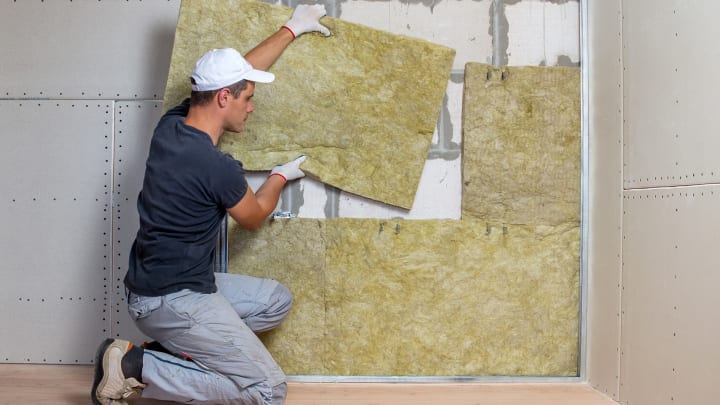
Thermal insulation improves a home’s energy efficiency by reducing heat loss in the winter and heat gain in the summer. Insulation slows heat transfer through walls, floors, and ceilings.
During the winter, insulation materials will protect your home from external cold air while keeping warm air in. This means you won’t need to use as much energy to heat up your living space and save money on utilities!
On the other hand, during the summer season, insulation helps keep your home cool and comfortable by blocking heat gain. Additionally, it eliminates drafts and cold spots in your house all year long, thus saving energy costs from air conditioning while ensuring a pleasant atmosphere inside.
Installing insulation in your home not only helps you conserve energy and save on electricity bills, but it also reduces the number of greenhouse gases released into our atmosphere. By decreasing the power plants’ need to produce more energy for heating and cooling, we can significantly reduce our carbon footprint collectively.
Installing thermal insulation is a wise choice since it will not only improve your home’s energy efficiency but also reduce its environmental footprint and help you save money on electricity bills.
Increased comfort
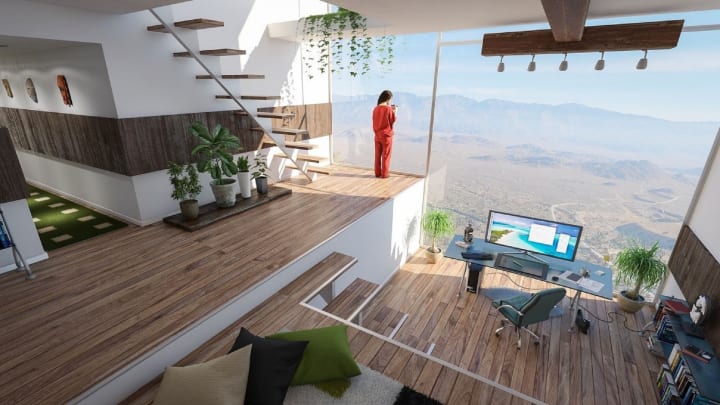
Thermal insulation can help create a comfortable living environment by slowing the transfer of heat through walls, roofs, and floors. This means that less warmth escapes the home in the winter, while in summer, it helps keep out excessive amounts of hot air resulting in a more consistent indoor temperature all year round.
Not to mention, suitable insulation can help minimize energy consumption and thus reduce your heating and cooling bills. Here are a few ways that thermal insulation will maximize comfort in your home:
Temperature control
Insulating your home can help you maintain a balanced temperature throughout the year, making it more pleasant and comfortable to live in. Insulation works by reducing heat transfer through walls, floors, and ceilings – so no matter what season or climate you live in, insulation safeguards you from extreme temperatures.
Reduced drafts
Insulation materials will help you seal gaps and cracks in your home, which can cause drafts and cold spots. By eliminating drafts, you will create a more comfortable and cozy home.
Humidity control
Insulation is an effective way to maintain a healthy balance of humidity in your home, avoiding the development of musty smells and allergies due to mold and mildew.
Noise reduction
Insulation materials can also help to dampen outside noise, making your home a more peaceful and suitable place to live.
Improved air quality
Adding insulation to your house not only helps regulate the temperature but can also drastically enhance air quality by filtering out pollutants and allergens.
Insulation is the key to constructing a comfortable living atmosphere. It does so by keeping temperatures consistent, preventing drafts, controlling humidity levels, reducing noise pollution, and improving air quality – making your home an enjoyable place to be!

Reduced noise pollution
Homeowners looking to create a more tranquil atmosphere can benefit from utilizing thermal insulation. Whether it’s fiberglass or cellulose, these materials are capable of absorbing sound waves, decreasing the amount of noise that passes through walls, floors, and ceilings. This not only means mitigating sounds coming in from the outdoors but also keeping noises isolated between interior rooms for true peace and quiet!
Not only does insulation work to provide a snug and comfortable environment, but it can also help you reduce the amount of echoes and reverberations in your space, making for an all-around more peaceful listening experience. If you’re looking for ways on how thermal insulation can aid in reducing noise pollution, here are some helpful tips:
Soundproofing
Insulation materials, such as fiberglass, cellulose, and rock wool, absorb and dampen sound, making your home a quiet place to live.
Sealing gaps
If you want to create a sound barrier around your home, insulation can help you with that. It seals cracks and holes, preventing outside noise from entering – effectively reducing the number of disruptive noises you hear inside.
Increasing mass
By increasing the density of walls, floors, and ceilings with insulation materials, sound transmission can be greatly reduced.
Decoupling
Insulation can be utilized to create a barrier between walls, floors, and ceilings from the structure in order to limit sound transmission. This is an effective way of reducing noise levels.
Combining different types of insulation
Combining thermal insulation with acoustic insulation can provide even better noise reduction.
Thermal insulation gives a multitude of advantages, allowing you to soundproof your home and seal gaps while increasing mass, decoupling, and combining different types of insulation. As a result, enjoy the luxury of peacefulness and quiet in your home!
Increased home value
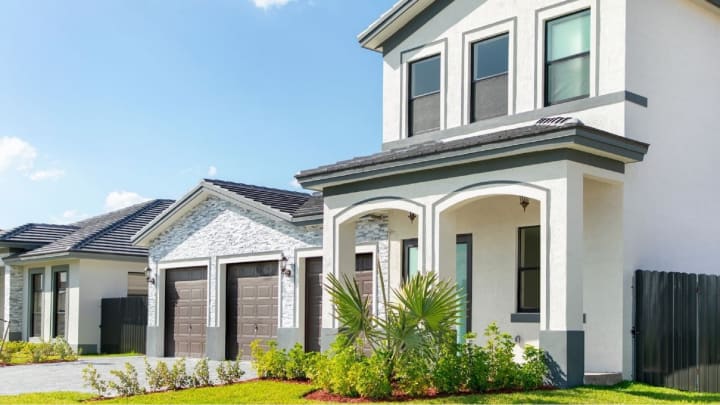
If you are still wondering if it is worth installing wall insulation, you should note that thermal insulation could increase your home’s value in several ways.
An energy-efficient property is an enticing purchase for many people in the market. Not only does insulating your home help with efficiency, but it can also increase its value!
Further, insulation can make a home more comfortable by lessening drafts and regulating humidity levels; this provides buyers with the peace of mind of knowing that their new home will be soundproofed from outside noise pollution as well as offer fresh air quality – features highly sought-after when searching for potential homes to buy. All these benefits contribute to boosting the overall worth of your home!
An efficiently insulated home not only requires less maintenance but is also more resilient. By blocking moisture from entering through external walls, insulation can avert wood rot and mold infestation. This will guarantee the house’s longevity as well as those living in it– something that potential buyers would surely value!
To conclude, proper insulation can tremendously enhance the value of your home through heightened energy efficiency and improved comfort levels. Not only that, its enhanced durability and eco-friendliness of your home are sure to draw potential buyers, making it even more appealing when the time comes for you to sell!
Do you want to know how much will it cost you to insulate your home? You can find on renovation portal like Homescala, where you can contact multiple contractors and get multiple quotes about the pricing of insulating your home.

Environmental Benefits
Thermal insulation can make an immense environmental impact, notably reducing the amount of energy and electricity needed to heat or cool your home. This will diminish greenhouse gas emissions associated with this process and help us fight climate change for a more sustainable dwelling environment.
Not only can insulation enhance the comfort of your home, but it can also help reduce air pollution by decreasing the energy required for heating and cooling. This small action has a positive effect on both indoor and outdoor air quality.
Here are a few ways how thermal insulation contributes to environmental benefits:
Energy conservation
Insulating your home can help reduce the energy needed to heat and cool your home. This can reduce the use of fossil fuels, which are a significant source of greenhouse gas emissions.
Carbon footprint reduction
Insulation is a powerful tool in the fight against climate change and air pollution, as it significantly decreases energy consumption when heating or cooling your home. With this simple step, you can help reduce your carbon footprint and make an undeniably positive difference to our planet.
Reduced waste
By utilizing recycled materials to construct insulation, such as cellulose, fiberglass, and rock wool, we can not only reduce waste but also safeguard our planet’s natural resources.
Durability
Insulation can help improve a home’s overall durability, reducing the need for repairs and replacements, which minimizes construction waste.
Sustainable housing
Insulation is an essential element of making homes more sustainable, thus preserving natural resources and minimizing our carbon footprint in the long term.
Insulation is a vital component in creating an eco-friendly environment. Not only does it reduce energy consumption, carbon footprint, and waste production, but it boosts the use of renewable energy sources and improves durability – making homes more sustainable. In essence, insulation helps minimize the effects of our human activities on Earth’s atmosphere.
Protection against mold and moisture
Thermal insulation can be essential in protecting your home against mold and moisture. Here are a few ways in which insulation can help:
Air sealing
Insulation is a powerful tool for sealing off gaps and cracks in your home, preventing exterior air and moisture from infiltrating the interior. Sealing these openings can drastically reduce moisture accumulation inside your residence, consequently decreasing the risk of mold growth.
Vapor barrier
Spray foam insulation offers a remarkable benefit – it can act as an effective vapor barrier, protecting your walls, floors, and ceilings from potential moisture build-up that could lead to mold growth. This simple step will prove invaluable in preventing costly damage down the line.
Temperature control
Insulation is an essential element when it comes to maintaining the temperature of your home. Not only does this ensure that you remain comfortable, but it can also help protect against harmful condensation buildup and mold growth. With insulation in place, you no longer have to worry about walls and ceilings becoming damp during colder months or overly hot during summer – now all you need are cozy blankets for wintertime coziness!
Humidity control
Insulation is instrumental in maintaining optimal moisture levels inside your home. It will help you avoid the accumulation of mildew and mold that can lead to noxious scents as well as allergic reactions.
Structural protection
Insulation can help protect your home’s structure from water damage, rot, and warping. This can prolong the life of your home and can save you from costly repairs in the long run.
Thermal insulation is key to keeping your home healthy and safe by air sealing, blocking vapor, regulating temperature, managing humidity levels, and safeguarding the structure itself. Its significance in protecting against mold and moisture cannot be overstated. It’s an absolute must for creating a secure living space.
Tips to consider while choosing your insulation materials
When choosing thermal insulation materials for your home, there are a few key factors to consider:
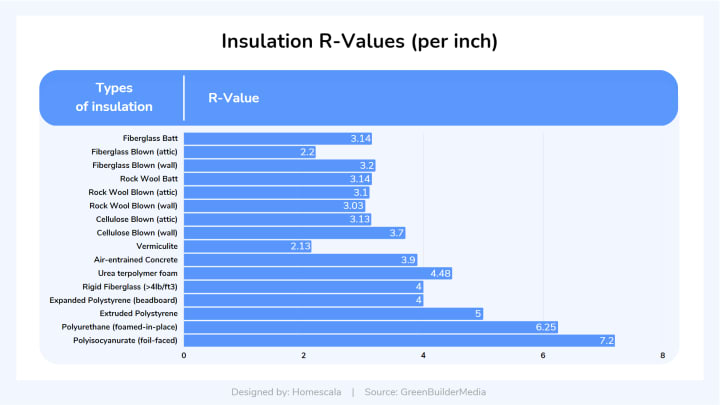
1. R-value. The R-value measures an insulation’s ability to resist heat flow. The higher the R-value, the more effective the insulation will be. Be sure to choose insulation with an R-value that is appropriate for your climate and the area of your home you are insulating.
2. Material. It’s important to research the various insulation products and their properties to find one that best fits your requirements. From fiberglass, mineral wool, cellulose, and polystyrene foams, to spray foam – each type has its own specific advantages and makes for an ideal solution in certain circumstances. Make sure you select the most suitable option for your needs!
3. Installation. When looking for insulation, take into account the convenience of installation. Certain kinds are far easier to install than others, and some might necessitate a professional’s aid.
4. Cost. Making a long-term investment in insulation requires an informed decision. Take the time to compare prices, materials, and installation costs between different types of insulation. This will help you find an option that not only meets your needs but fits within your budget.
5. Durability. When deciding which insulation to invest in, be sure to take into account its durability. Some types of insulation can last longer than others, potentially saving you costs on repairs and replacements down the line.
6. Environmental impact. When selecting an insulation material, keep in mind the environmental consequences of your decision. Some materials are more eco-friendly than others and should be given preference.
7. Code compliance. To ensure the security and excellence of your insulation, it is essential that you select an option that meets local building codes and regulations.

Q&A
What are the benefits of thermal insulation?
Thermal insulation can help make your home more energy-efficient and comfortable. This not only saves you money on utility bills but also reduces the strain on heating and cooling systems — leading to increased equipment longevity with less maintenance than ever before!
Why is thermal insulation important in thermal energy?
Thermal insulation is imperative in thermal energy to stop heat from escaping or entering, resulting in a higher level of efficacy and manageable utility bills. Insulation aids with maintaining an even indoor temperature, providing enhanced comfortability as well. By reducing the amount of dissipated heat within heating and cooling systems due to Thermal Insulation, they become less taxed and last longer, henceforth decreasing maintenance costs significantly.
What is a good thermal insulation value?
When seeking to reduce your energy bills, efficient thermal insulation is essential. Generally speaking, wall insulation should have an R-value between 13 and 60, while the attic requires a value of 30 to 60. The greater the number in this measurement, the better performance you will experience. Therefore, always ensure that it has been installed appropriately and with suitable materials for maximum benefit!
What is the most effective insulation?
Finding the best insulation for your needs can be a tricky process. Factors such as R-value, climate, and budget all play important roles in determining which type of material is best suited to you. Spray foam, blown-in cellulose, and rigid foam board are some of the most popular insulation materials on the market right now; however, other considerations like structural characteristics, available space, and local weather should also be taken into account before making a decision.
What is the safest insulator?
Opting for the safest insulation materials is your best bet when considering safety. Fiberglass, rock wool, and cellulose made from recycled materials are some of the most reliable options. Yet, in order to ensure proper use of these products with unrivaled safety results, it’s essential that you get a professional installation job done, as well as take into consideration necessary ventilation methods and follow manufacturer protocols. After all – there’s nothing more important than safeguarding yourself against potential flammability or off-gassing hazardous chemicals risk!
About the Creator
Homescala
We help homeowners and homesellers increase their home value and equity by performing smart renovations.
We also help homebuyers start ownership with extra home equity.
12 Easy Tattoo Filler Ideas to Elevate Your Existing Tattoo
Hard to think of what could fill such awkward slots between the dome? Hence, the need for them is simple tattoo filler ideas since they have realized that their half-sleeve or patchwork design looks a bit slanted and incomplete, so this is a wonderful place to start.
By AMRYTT MEDIA6 days ago in Lifehack
A More Human Vocal
When we launched Vocal nearly a decade ago, the world was a very different place. LLMs did not exist, and stories were created one at a time by people sitting down to write, revise, and share something personal. Many of our assumptions about publishing, trust, and participation were built for a world where effort and output were inseparable.
By Justin @ Vocal4 days ago in Resources



Comments
There are no comments for this story
Be the first to respond and start the conversation.