
5 Simple Ways to Make Your Own Natural Incense
A Simple Guide
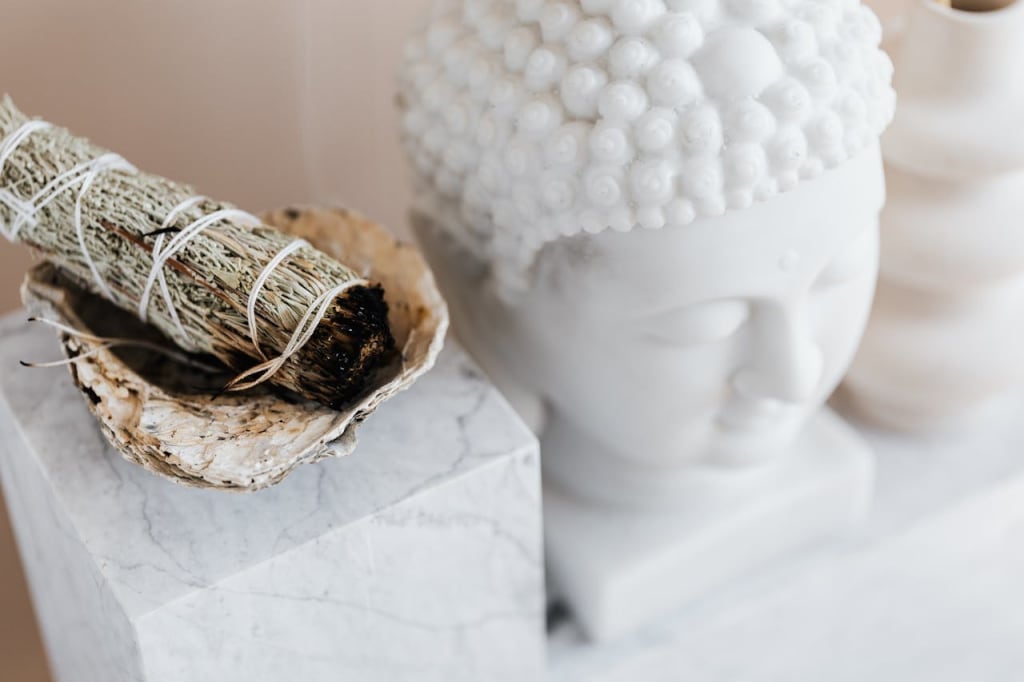
Making your natural incense lets you personalize the smells that permeate your house by means of a fulfilling and artistic procedure. Made-from-scratch incense guarantees that you are utilizing pure, natural materials free from chemicals and synthetic scents in addition to offering a personal touch. Making your incense gives many options, whether your taste is for the earthy tones of sandalwood, the cool perfume of citrus, or the relaxing aroma of lavender. Five basic techniques for creating natural incense you can easily accomplish at home will be discussed in this article. Every technique is different, which lets you discover the ideal approach to let pleasant and calming smells permeate your environment.
1. Herbal Incense Sticks: A Classic Approach
Herbal incense sticks are a classic approach to making natural incense that provides a simple but efficient approach to enjoying scented herbs. Choose your preferred dry herbs—such as sage, rosemary, or lavender—then begin making your herbal incense sticks. Using a mortar and pestle, grind the herbs into a fine powder; next, blend them with a binding agent such as gum Arabic or make powder to let the herbs attach to the stick. To wet a bamboo stick, dip it into the water, then roll it through the herb mixture until it is uniformly covered. Before burning the incense sticks, let them thoroughly dry; then, enjoy the natural, calming scent filling your environment.
2. Loose Incense: Versatile and Customizable
Another easy approach to making your natural smells is loose incense, which provides freedom in the substances and combinations you might employ. Made from dried herbs, resins, and essential oils, loose incense calls for grounding the herbs and resins first into a fine powder, then tossing them in a dish. Add a few drops of your preferred essential oils to the mixture, varying the quantity depending on the scent's strength you want. Once blended, ignite a little bit of the loose incense on a charcoal disc to let the room fill with aromatic smoke. For individuals who prefer playing around with various smells and material combinations, loose incense is perfect.
3. Incense Cones: Compact and Efficient
Offering a slow-burning, long-lasting alternative, incense cones are a small and effective means to experience the advantages of natural incense. Making incense cones calls for a combination of ground herbs, wood powder, and a binding agent like water or honey. Start in a bowl mixing your selected herbs and wood powder—sandalwood or cedarwood. Add the binding agent to the mixture and work it until it has a dough-like consistency. Form the dough into little cones; let them dry completely before using. Incense cones burn to provide a consistent stream of aromatic smoke, ideal for diffusing tension in any kind of setting.
4. Smudge Sticks: Purify and Energize
Traditionally employed in ceremonies to clean and revitalize areas, smudge sticks—bundles of dry herbs torched to produce their aromatic smoke—are to create your own smudge sticks, compile a variety of dried herbs like thyme, eucalyptus, or white sage. Lay the herbs on a level surface and bundle them so that the stems line up. With natural cotton or hemp twine, carefully wrap the bundle and leave a loop at one end for hanging. After cutting the ends of the bundle to look nice, let the smudge stick dry completely before burning. Smudge sticks not only help to clean your house but also accentuate its inherent beauty.
5. Enroll in the Incense Course
Anyone interested in creating their own natural incense might find great value in enrolling in an incense manufacturing course. These classes assist people in building a strong awareness of the art by offering thorough insights into the elements, methods, and customs of incense manufacture. Engaging in a structured learning setting will help you to get practical experience and receive professional advice, improving your skills. This kind of instruction guarantees that you follow the highest standards and improves your skills. Investing in an incense making course will ultimately produce more real and superior incense compositions.
Conclusion
Using basic and natural components, creating your own natural incense is a fun approach to customizing the environment of your house. From herbal incense sticks to smudge sticks to incense powders, every technique provides a different approach to appreciating the therapeutic advantages of natural scents. Custom mixes reflecting your own tastes and improving your surroundings can be created by experimenting with many plants, resins, and essential oils. Made-handcrafted natural incense offers a safe and fun approach to relaxing, cleaning your environment, or just enjoying a nice aroma. Learn the craft of manufacturing incense and explore the many ways you can create your own aromatic works of art.
About the Creator
Keep reading
More stories from Samantha Higgins and writers in Lifehack and other communities.
5 Amazing Ideas For a Home Pool Renovation
A home pool is more than just a place to cool off during hot days; it’s a central feature that adds value and enjoyment to your property. Over time, however, pools can become outdated or simply not fit your current lifestyle needs. Whether you're looking to modernize your pool, improve its functionality, or enhance its aesthetic appeal, a renovation can breathe new life into this important space. By considering some innovative renovation ideas, you can transform your pool into a luxurious retreat that offers both relaxation and entertainment. This article will explore five amazing ideas for a home pool renovation that can help you achieve the pool of your dreams.
By Samantha Higgins2 years ago in Lifehack




Comments
There are no comments for this story
Be the first to respond and start the conversation.