
5 Energy Saving Tips for Homeowners
Here are five tips that will help you save energy AND money!
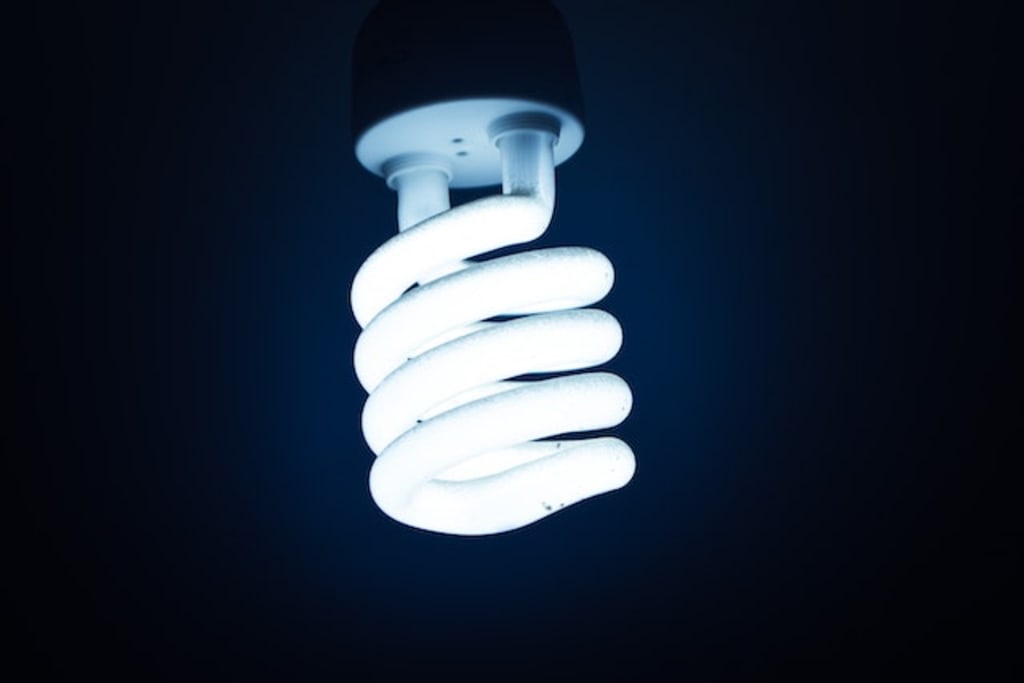
Image from Pexels
Having a place to call your own is one of the best feelings in the world. It's a safe haven where the past may be relieved and the future can be imagined. But as any homeowner will tell you, there's also the obligation to keep up with the repairs and upkeep costs. Repairing a leaking roof or replacing an aging furnace are two examples of what might drive up repair prices. The good news is that catastrophic repairs may be avoided, and costs reduced by investing in preventative maintenance.
Benefits of Saving Energy as a Homeowner
As a homeowner, you probably have a good idea of the many costs involved in keeping your house up and running. The financial commitments of homeownership, from the mortgage to the utilities, might seem endless at times. But one place where you may be able to save money and have a beneficial effect on the environment is by cutting back on energy use.
Financial Savings
If you can find ways to reduce your energy usage, such as using energy-saving appliances, you can save money on your monthly electricity bills and put that extra cash toward other expenses. The value of your property can increase and your maintenance costs can be cut in the long run if you make energy-efficient improvements like adding insulation or upgrading to a more efficient HVAC system.
Environmental Impact
Conserving energy is beneficial for the planet and your money. Cutting back on energy use reduces emissions of greenhouse gases, which in turn improves the quality of the air we breathe and the state of our planet. You can help safeguard the environment for future generations by cutting down on your energy consumption.
Increased Comfort
The comfort of your house year-round may be improved by making it more energy efficient to regulate the temperature in both the summer and winter. Reducing energy use has other benefits, including lowering the likelihood of blackouts and easing the load on the electrical system, all of which contribute to a more consistent supply of electricity for your house.
Five Energy-Saving Tips
1. Upgrade to Energy-Efficient Appliances
Investing in more efficient appliances is a great way to reduce energy use and utility costs. Check for the ENERGY STAR® label, which verifies that the product satisfies stringent energy efficiency requirements established by the United States Environmental Protection Agency.
2. Seal Air Leaks
If you have air leaks in your house, heated or cooled air is escaping and your HVAC system has to work harder to compensate. Use weatherstripping, caulking, or foam sealant to prevent air leaks around windows, doors, and other openings.
3. Install a Programmable Thermostat
With the assistance of a programmable thermostat, you are able to modify the temperature in your home in accordance with the schedule you have created for yourself. When you go to bed or leave the house during the day, for example, you have the option of lowering the temperature on the thermostat.
4. Use Energy-Efficient Lighting
You may drastically cut down on your electricity bill by making the switch to more energy-efficient light bulbs, such as LEDs or compact fluorescents. These bulbs last up to 25 times longer than standard incandescent lights while using significantly less energy.
5. Maintain Your HVAC System
Keeping up with routine maintenance on your HVAC system is one of the best ways to maximize its performance and cut costs. Maintain your HVAC system by having a professional expert come out once a year to change the air filter, clean the coils, and do a full tune-up.
Energy Conservation Solutions
Smart Homes and Energy Efficiency
Smart home technology has changed the way we interact with our homes. Smart energy management systems allow homeowners to track their energy consumption in real-time, pinpoint sources of energy waste, and make necessary adjustments to lower their overall energy footprint.
Energy Storage and Management Systems
Intermittency is a major problem for renewable energy like solar energy because it makes it difficult to rely on them continuously. Energy storage and management technologies, however, are beginning to emerge as a practical means of addressing this issue. Excess energy from renewable sources may be stored and utilized during peak demand with the aid of cutting-edge batteries and control systems.
Artificial Intelligence and Energy Optimization
AI is being used in many different fields, including energy efficiency and conservation. Algorithms driven by artificial intelligence can examine massive volumes of data on energy consumption, weather patterns, and building attributes to pinpoint opportunities for savings.
Conclusion
Reducing one's energy consumption at home may have a significant impact on both one's carbon footprint and one's monthly power costs. Smart home systems, energy storage, and management systems, and artificial intelligence are just a few examples of cutting-edge technology that may help us maximize our energy efficiency and minimize our carbon footprint. By making an effort to reduce energy use around the house, we may have a beneficial effect on the planet and reap the rewards of a more sustainable future.
About the Creator
Keep reading
More stories from Lizzie Howard and writers in Lifehack and other communities.
California Housing Laws You Need to Know
Image from Pexels California has some of the strictest housing laws in the United States. These laws were put in place to protect tenants' rights and ensure that landlords follow specific guidelines when renting out their properties.
By Lizzie Howard3 years ago in Lifehack



Comments
There are no comments for this story
Be the first to respond and start the conversation.