
3 Important Facts You Should Know Before Purchasing a House
Everything you need to know!
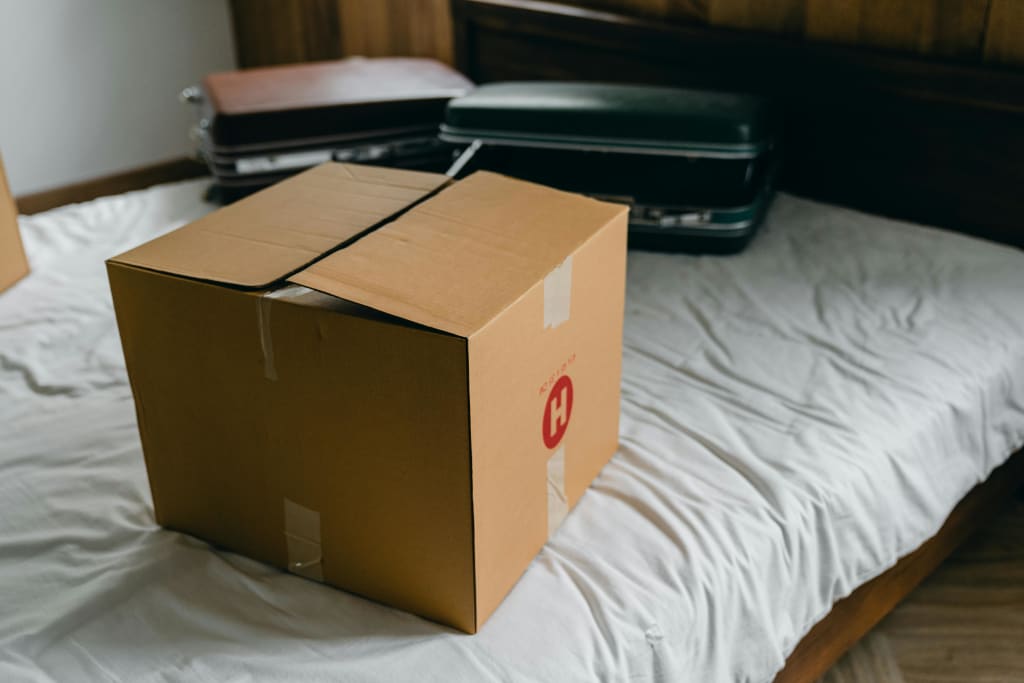
You might be planning to step into the vast world of the property market. To make this task easier and more profitable for you, understand a few essential things. For starters, try to set aside some money for the down payment of your dream house. Remember, the more substantial your initial payment, the less mortgage you have to shoulder. A lower mortgage simply translates into fewer monthly payments. Moreover, consider the area where you intend to buy the house. An up-and-coming location might be a good bet, promising you robust resale value in the future. Last, make sure the house is carefully inspected to expose any issues. Examining closely will help you avoid future unnecessary costly repairs.
1. Make Your Financial Preparation a Priority
You have to start with your finances if you are considering purchasing a house. Imagine yourself entering a bank with a pre-approval for a mortgage and leaving. Wouldn't that be great? It will not only tell you how much you can borrow but also guide you towards homes you can really afford. Don't forget to keep an eye on your credit report, too. With a little bit of work, you could see that your credit score climbs, and with it, your chances for a better mortgage. Also, remember every bit you save now will make a big difference. That chunk of change you are saving is not only for the down payment but also for the extras like closing fees and those initial repair costs. When you're financially prepared, you'll have a safety net for any unexpected expenses after moving in. More importantly, being in a secure financial position means you can make offers faster when you find that dream home.
2. Think About Location and Future Growth
When buying a house, one main aspect to consider is the place and its growth potential. This is because the location can greatly influence your living quality and even your home's future value. Opting for a house in a good neighborhood with top schools, shops, and easy transport can make daily life easier for you. Besides, homes in developing areas tend to increase in value more quickly. Buying there could be a smart investment. Imagine places with future developments like new roads or facilities; these could be golden opportunities. Also, consider nearby employment hubs or business districts, which can attract more growth and activity. As you're planning your next move, it's wise to research how these factors align with your needs and long-term plans. Areas with low crime rates and strong community services also tend to hold value over time. Always think beyond today and choose a location that fits your long-term goals, since a good location provides stability and potential growth in the future.
3. Always Conduct Thorough House Inspections
When you're in the game of buying a home, don't underestimate the power of a good old house inspection. Think of it like your trusty compass, guiding you away from hidden traps that might pinch your wallet later. By putting some funds into a proper check-up, you'll be prepared for any issues. Keep an eye out for homes that have the green light from general inspections. Still, if the house seems free of any issues, don't just nod your head. Stand your ground, ask for extra checks, or even for fixes to be done before you sign. Be it a mismanaged roof, plumbing, or electric systems, these red flags shouldn't be ignored. Rumors of structural mischief or mold also require attention; else you'll end up dealing with big bills later. Knowing your potential house inside and out is crucial. So, whether it's a vintage gem or a brand-new build, always back your decision with a thorough inspection. It's like vetting your investment to ensure it's a winner.
Conclusion
Choosing a new house goes beyond mere beautiful design and vivid colors. This process calls for your care and tolerance. First up, have a look at your bank account and make sure that your finances are set. Only then, buying a home becomes a smooth sail. Next, pin your focus on the place. Its prospects can be a joyride or a cesspool, affecting your quality of life and the return your pocket can expect. No less critical is a home inspection — the final straw. It gives you the chance to sidestep issues that result from the house condition.
About the Creator
Keep reading
More stories from Maggie Bloom and writers in Lifehack and other communities.
7 Hidden Places in Your Home That Could Be Affecting Your Health
Your home should be your safe place. But some hidden spots might make you feel less healthy. Mold in dark corners, dirty air filters, damp basements, and unclean ovens can all cause problems. They harm the air quality, causing breathing issues and allergies. Dusty carpets, unwashed bedding, and cluttered rooms also lower health levels. Good house cleaning habits keep your space healthy. Regular cleaning stops health problems.
By Maggie Bloom10 months ago in Lifehack
This One Simple Lifehack Instantly Boosted My Confidence—And Nobody Talks About It
For the longest time, I thought confidence was something you either had or you didn’t. I looked at people who walked into a room with ease, spoke clearly, and seemed comfortable in their own skin, and I assumed they were just born that way. Meanwhile, I overthought everything—what I said, how I looked, how I was perceived.
By Lukáš Hrdlička5 days ago in Lifehack



Comments
There are no comments for this story
Be the first to respond and start the conversation.