
2025 Updated Guide
How to Choose the Right Moutain Bike Size and Fit

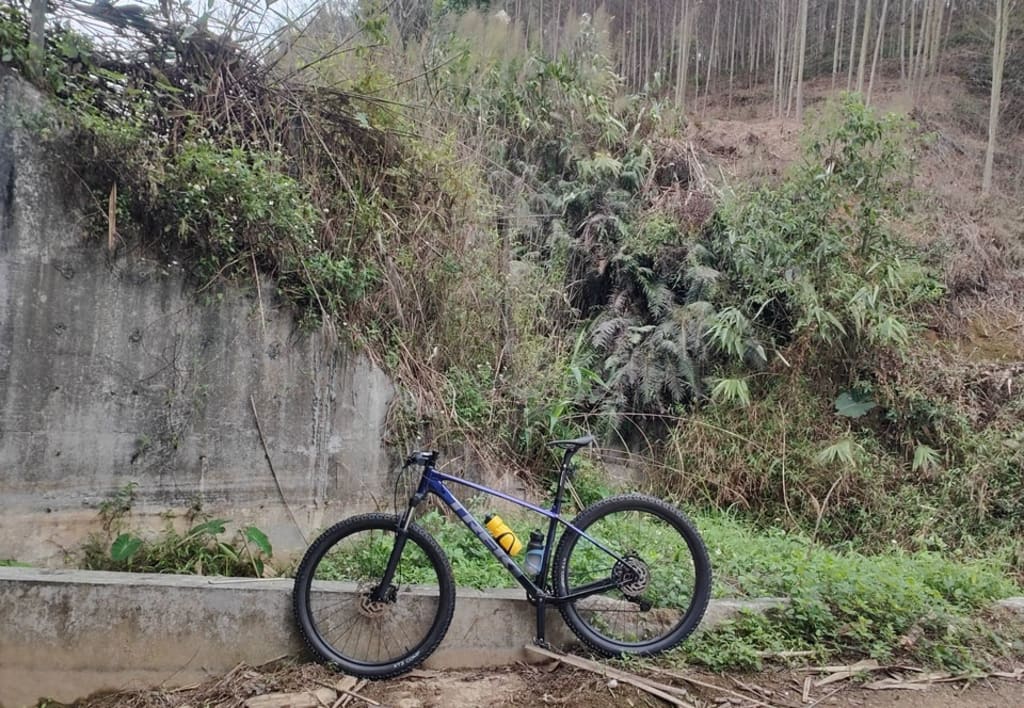
Mountain biking is freedom on two wheels—charging down rocky descents, weaving through forest trails, or climbing steep gravel roads. But without the right bike size, every ride becomes harder than it needs to be. The correct mountain bike size improves comfort, control, and safety. The wrong size leaves you unstable, sore, and frustrated.
This updated 2025 guide combines modern sizing standards, geometry knowledge, and rider experiences to help you find your perfect MTB fit.
Why Sizing Isn’t Just About Height
Many riders assume frame size depends only on height. For example, you might think a 15″ frame only fits riders around 150 cm—yet some 165 cm riders also find it comfortable. That’s because wheel size (26″, 27.5″, 29″) and geometry both play major roles.
Height is only a starting point. Your inseam, arm length, flexibility, and riding style all influence the correct choice.

The Classic 26″ Wheel
Once the global MTB standard, 26-inch wheels are now less common, but still suitable for riders who value agility and light handling.
- Best for: 165–185 cm riders (5’5″–6’1″)
- Pros: nimble, lighter handling, versatile for trails & commuting
- Cons: less rollover ability on rough terrain (compared to 29″)

The Versatile 27.5″ (650B)
27.5″ wheels offer a compromise between the agility of 26 and the stability of 29. They remain a favorite for trail and enduro riders who need a balance between speed and control.
- 15–15.5″ frame → 160–170 cm (5’3″–5’7″)
- 17–18″ frame → 170–180 cm (5’7″–5’11″)
- 19″ frame → 180–190 cm (5’11″–6’3″)
- 21″ frame → 190 cm+ (6’3″+)
The 29er (29″) – Modern Standard
29ers dominate the MTB world in 2025, especially in cross-country, trail, and downhill racing. They roll faster, climb efficiently, and smooth out bumps.
- 15.5″ frame → 165–175 cm (5’5″–5’9″)
- 17″ frame → 175–185 cm (5’9″–6’1″)
- 19″ frame → 185–195 cm (6’1″–6’5″)
- 21″ frame → 195 cm+ (6’5″+)

📊 Quick Reference Sizing Chart
For quick reference, here’s a 2025 chart combining wheel size, frame size, and rider height:

Geometry: The Game Changer
Wheel size and frame height aren’t everything. Geometry decides how a bike feels:
- Reach → stability vs agility
- Stack → upright comfort vs aggressive posture
- Head tube angle → slack = downhill stability, steep = XC sharpness
- Seat tube angle → efficient pedaling vs relaxed cruising
A rider with long arms might prefer a frame with extra reach, while a rider with shorter legs will appreciate a steeper seat tube angle. These small numbers make a big difference over hours of riding.
Riding Style and Terrain Influence
- The “perfect” size depends on how and where you ride:
- Cross-country (XC) riders often size slightly smaller for quicker handling and better climbing efficiency.
- Trail riders prefer a balanced feel, making medium reach and stack more comfortable for all-day riding.
- Enduro and Downhill riders often size up for stability, especially on steep descents. A longer wheelbase keeps the bike calm at high speeds.
- If your riding involves both long climbs and aggressive descents, you may need to compromise between stability and agility.
What Happens If You Choose the Wrong Size?
- Choosing the wrong MTB size is more than just an inconvenience:
- A too-small frame feels cramped, twitchy, and unstable, often leading to back pain or knee strain.
- A too-large frame feels sluggish and hard to control in tight corners, putting extra stress on shoulders and wrists.
Long-term, the wrong size can even discourage you from riding, as discomfort overshadows the fun.
Practical Tips for Test Rides
Charts and online guides are useful, but nothing replaces a real test ride:
- Straddle the bike with at least a few centimeters of clearance above the top tube.
- Check that your arms feel relaxed when reaching for the handlebars.
- Ensure you can shift your weight easily while standing on the pedals.
- On descents, confirm that you feel in control, not fighting the bike.

Brand Variations and Rider Complaints
One frustration among riders is that different brands interpret “Medium” or “Large” very differently. A Medium Trek Fuel might feel shorter than a Medium Specialized Stumpjumper, even for the same rider.
That’s why riders often advise newcomers: don’t just order based on size labels—check the geometry chart or test ride before buying.
Conclusion
The best MTB size balances height, inseam, wheel size, geometry, and riding style.
- 26″ = nimble
- 27.5″ = balanced
- 29″ = stable
ut numbers are only half the story—comfort and confidence on the trail matter more.
👉 If you also want to learn about road bike sizing, check out this companion guide: “The Most Comprehensive 2025 Guide: How to Choose the Right Road Bike Size and Fit”
For riders upgrading beyond sizing—lighter titanium bolts, rust-proof fasteners, and precision hardware—you’ll find performance-focused options atSpartsBolts.com.
About the Creator
spartsbolts
Founder of SpartsBolts.com. I share tips on bike and motorcycle upgrades, titanium bolt mods, and real riding experiences. Lightweight, performance-driven, and built to ride.
Keep reading
More stories from spartsbolts and writers in Lifehack and other communities.
Why Titanium Bolts Are the Ultimate Upgrade for Your Mountain Bike
If you’re serious about your mountain bike, you know every gram counts — but it’s not just about weight. It’s about strength, durability, and trusting your gear on the toughest trails. That’s why more and more riders are swapping out their standard steel bolts for titanium alloy ones. Upgrading your bolts to titanium isn’t just a flashy add-on, it’s a game changer — and here’s why.
By spartsbolts8 months ago in Lifehack
The Hidden Traps in UK VAT That Cost Small Businesses Thousands
Every year, thousands of UK small businesses face unexpected tax bills, penalties, and sleepless nights over VAT mistakes they didn't even know they were making. The numbers tell a sobering story: HMRC issued over £800 million in VAT penalties in 2023 alone, with small businesses bearing a disproportionate share of that burden.
By Saifullah Awan 27 days ago in Lifehack
One Unchecked Box
"Republished" because it was the only way to add the embed for the newly recorded audio version of this story due to the Top Story badge. Plus it serves as a nice, informal announcement of the podcast's revival for another season (go subscribe!):
By Stephen A. Roddewigabout 21 hours ago in Fiction



Comments
There are no comments for this story
Be the first to respond and start the conversation.