
20 Tips for Maintaining Your Furniture for Moving
How to Maintain Your Furniture for Moving

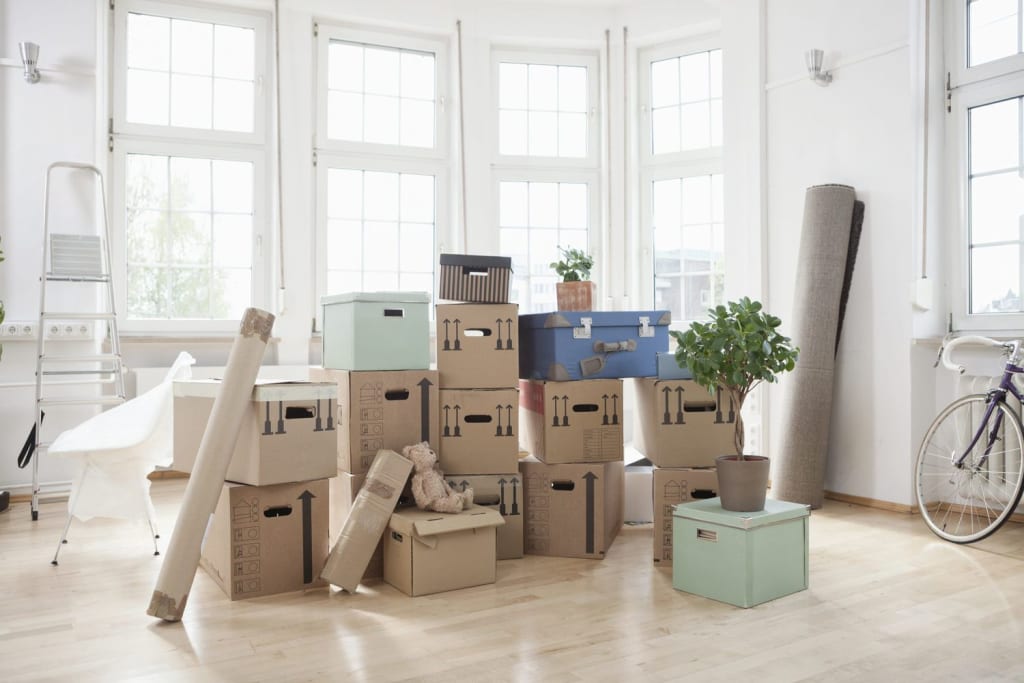
Moving can be a stressful process, especially when it comes to ensuring your furniture arrives at your new home in the same condition it left your old one. Proper care and preparation can save you from costly repairs or replacements.
Whether you are relocating to a new rental property, setting up a furnished apartment, or moving into a newly acquired investment property, taking the right steps to protect your furniture is crucial. Here are 20 tips to help you maintain your furniture during a move related to property investments.
Best Moving and Packing Tips for Your Smoothest Move Yet
1. Plan Ahead
Start planning your move well in advance. Create a checklist of tasks, including the specific steps needed to protect your furniture. This proactive approach will help you avoid last-minute rushes that can lead to mistakes.
If you live near Lucknow and want to design your home interior, you can visit the link to find affordable interior designer in Lucknow.
2. Take Inventory
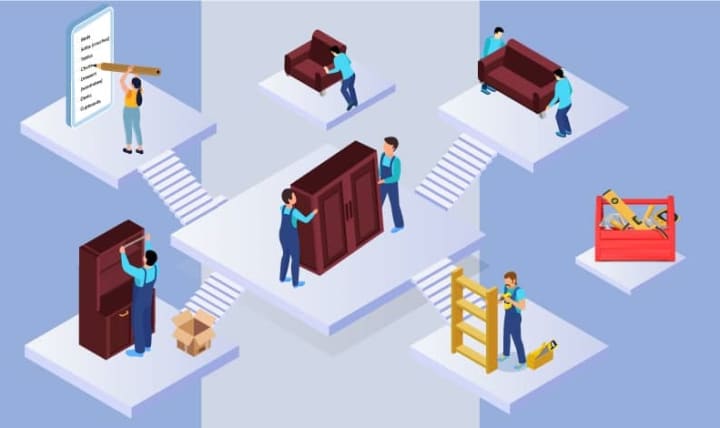
Make a detailed inventory of all your furniture. Note any existing damages and take photos. This documentation will be useful for insurance purposes and to ensure all your pieces arrive intact.
3. Gather Packing Supplies
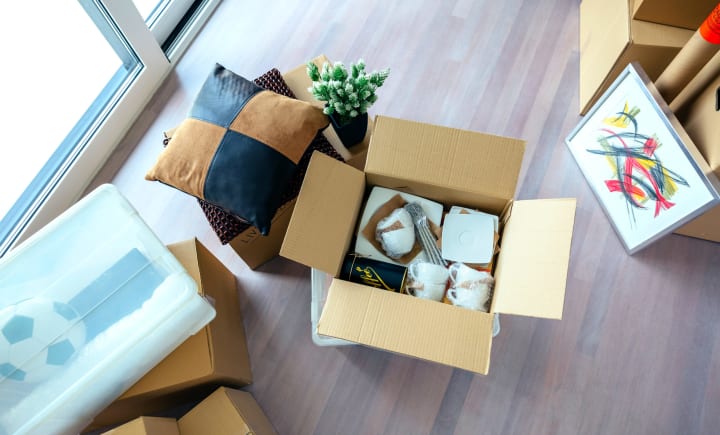
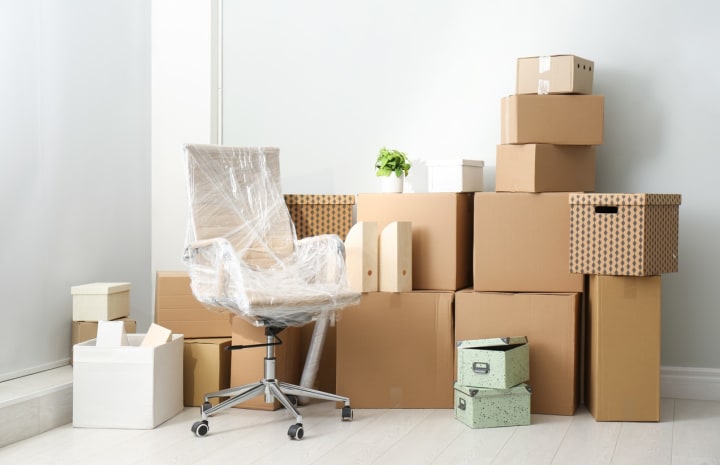
Invest in high-quality packing supplies such as bubble wrap, moving blankets, packing tape, and sturdy boxes. Having the right materials on hand will make the packing process smoother and more effective.
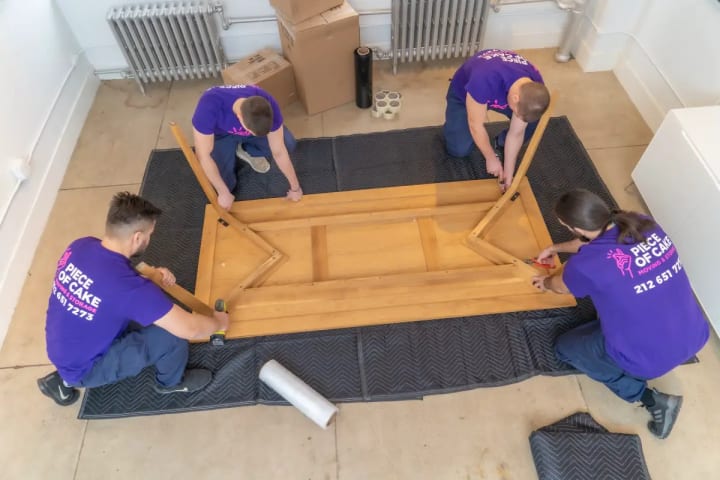
4. Disassemble Large Furniture
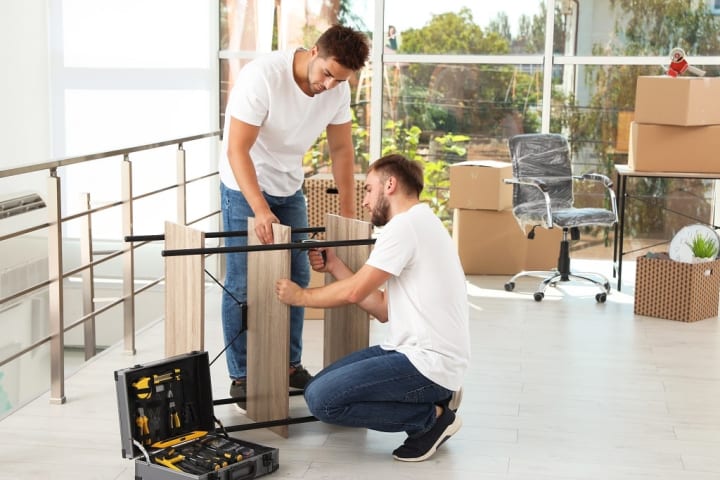
Disassemble large furniture items like beds, dining tables, and bookshelves. Keep screws, bolts, and other small parts in labeled bags, and tape these bags to the corresponding furniture pieces to avoid losing them.
5. Use Proper Packing Techniques
Wrap furniture in bubble wrap or moving blankets to protect against scratches and dents. Secure the wrapping with packing tape, but avoid sticking tape directly to the furniture to prevent damage to finishes.

6. Protect Fragile Items
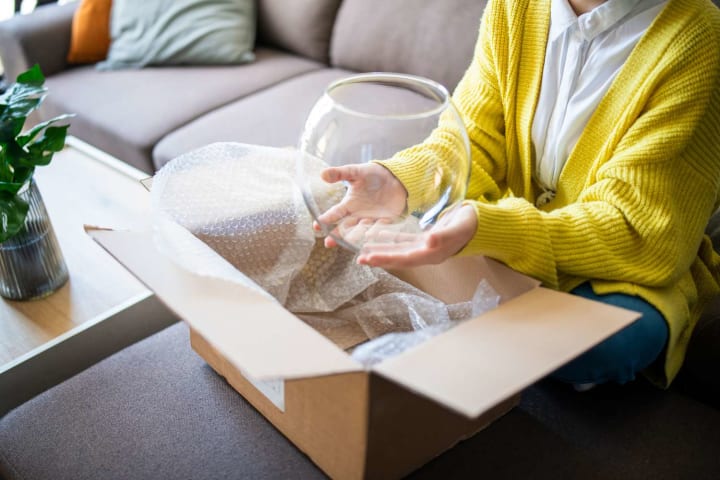
For delicate pieces like glass tabletops or mirrors, use specialized packing materials such as glassine paper or cardboard corner protectors. Place these items in boxes specifically designed for fragile items.
7. Label Everything
Clearly label all boxes and furniture pieces with their contents and the room they belong to in your new home. This will make the unpacking process much more organized and efficient.
8. Use Furniture Sliders
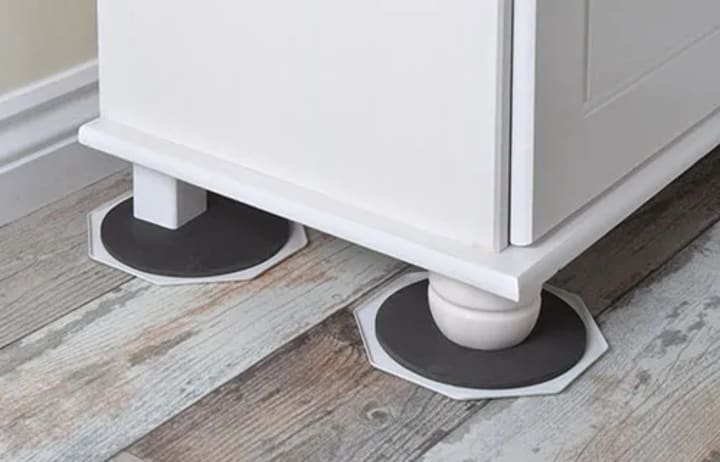
Furniture sliders can make it easier to move heavy items without damaging floors. Place sliders under the legs or corners of your furniture to glide them across the floor effortlessly.
9. Keep Hardware Together
Store all screws, bolts, and other hardware in labelled plastic bags. Tape these bags to the corresponding furniture pieces or keep them in a dedicated hardware box to prevent loss.
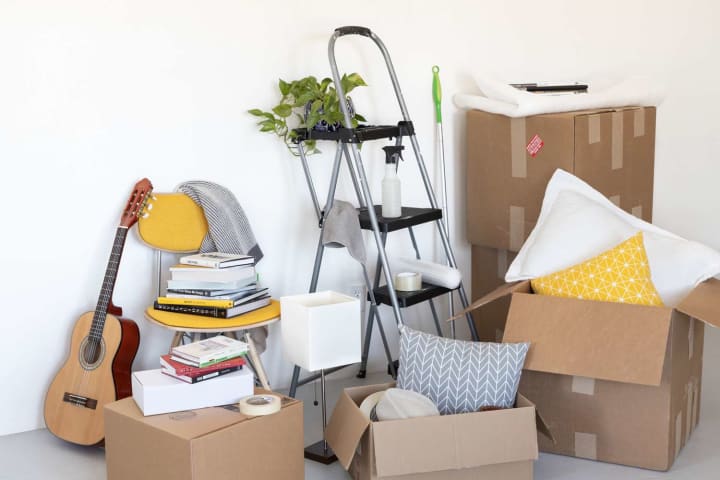
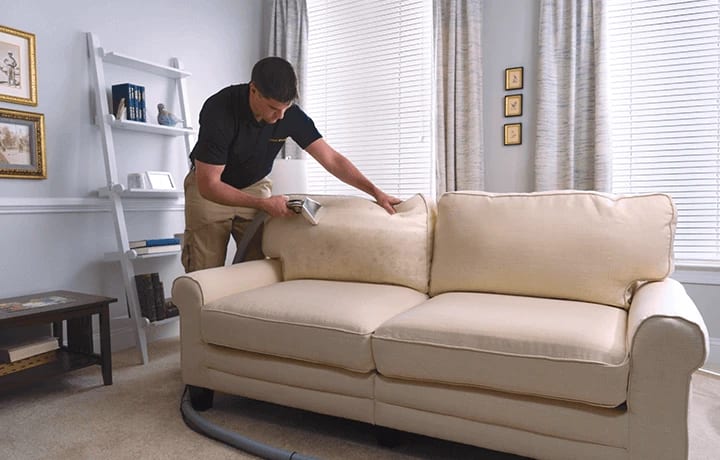
10. Cover Upholstered Furniture
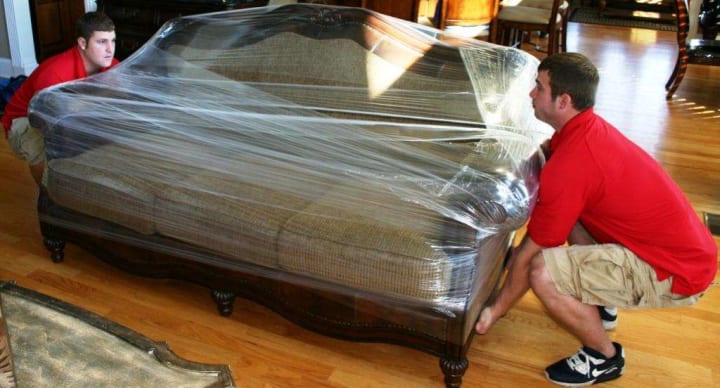
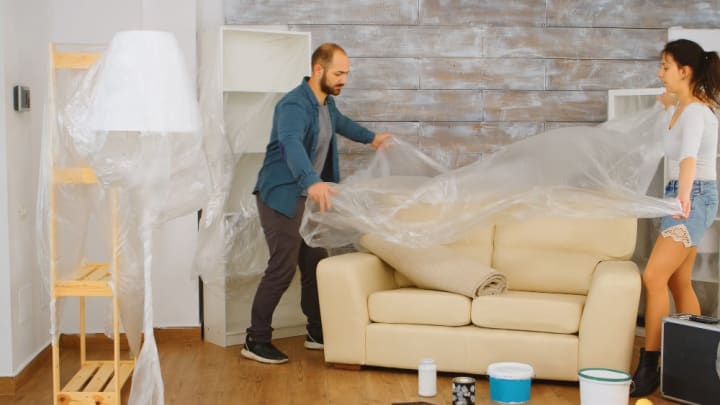
Protect upholstered furniture from dirt and moisture by covering it with plastic wrap or furniture covers. Make sure the covers are secure but not too tight to avoid damaging the fabric.
11. Secure Moving Parts
Secure any moving parts, such as drawers or doors, with packing tape or stretch wrap. This will prevent them from opening during the move and causing damage.
12. Avoid Overpacking Boxes
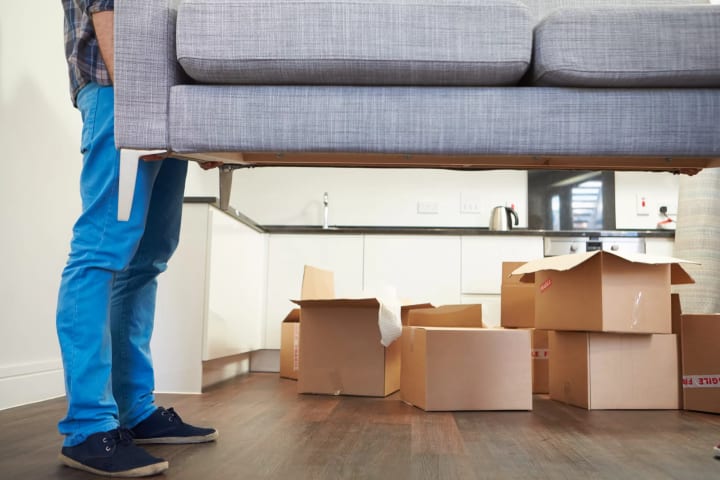
Don't overpack boxes, especially with heavy items. This can cause the boxes to break and damage their contents. Use smaller boxes for heavier items to distribute the weight evenly.

13. Hire Professional Movers
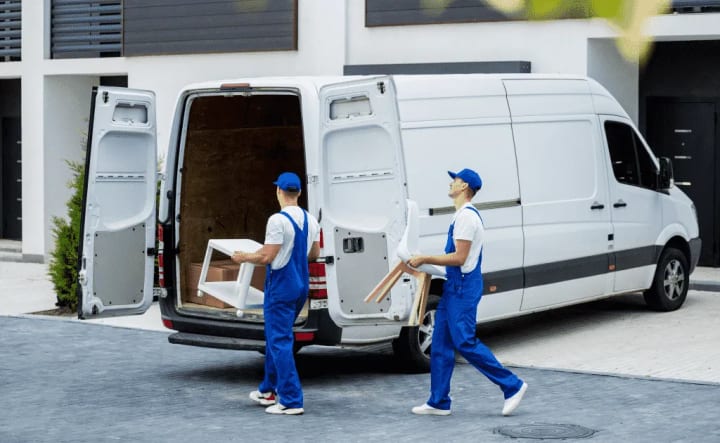
Consider hiring professional movers who have experience in handling and transporting furniture. They will have the necessary equipment and expertise to ensure your furniture is moved safely.

14. Use the Right Moving Truck
Choose a moving truck that is appropriately sized for your furniture. A truck that is too small will require multiple trips, while one that is too large can cause items to shift during transport.

15. Load the Truck Properly
When loading the moving truck, place heavier items on the bottom and lighter ones on top. Use straps and ropes to secure furniture and prevent it from shifting during the move.
16. Protect Floors and Walls
Use protective materials like cardboard or plastic sheeting to cover floors and walls during the move. This will help prevent scratches, dents, and other damage.
17. Take Extra Care with Antiques
Antique furniture requires special care. Use extra padding and secure them well during transport. Consider professional appraisal and insurance for valuable pieces.

18. Climate Control
If moving during extreme weather conditions, consider climate-controlled storage or moving trucks. Temperature fluctuations can damage wood and upholstery.
19. Unpack with Care
When you arrive at your new home, take your time unpacking and assembling furniture. Follow the reverse order of your disassembly process and check for any damages.

20. Inspect and Clean
After unpacking, inspect your furniture for any damages that may have occurred during the move. Clean each piece thoroughly to remove any dust or debris from the moving process.
Final Thoughts:
By following these tips, you can ensure that your furniture remains in excellent condition throughout your move. Proper planning, packing, and handling will help you avoid common pitfalls and enjoy your furniture in your new home.
About the Creator
Ankit Kapoor
Interior design enthusiast, part-time blogger, and a panda lover. I have mission to explore the trending architectural and interior design ideas to the world.
Keep reading
More stories from Ankit Kapoor and writers in Lifehack and other communities.
Modern Kitchen Lighting Ideas That'll Transform Your Space
Right kitchen lighting ideas can be the component your space is lacking. Contrary to popular belief, a kitchen makeover can be a low-lift project if you're committed to changing one feature at a time, and lighting is an excellent place to start because it can completely transform how your kitchen looks and feels.
By Ankit Kapoor2 years ago in Lifehack
7" Simple Daily Habits that can change your life
7 Simple Daily Habits That Can Change Your Life Life can often feel overwhelming. With endless responsibilities, constant notifications, and the pressure to succeed, it’s easy to lose track of what really matters. But the good news is, making small, consistent changes in your daily routine can have a huge impact on your overall well-being, happiness, and productivity. Here are seven simple daily habits that, if practiced consistently, can truly change your life. 1. Wake Up Early
By Kawtar Aithammouabout 20 hours ago in Lifehack
How Big Game Hunting in Namibia Supports Wildlife Conservation
Namibia is widely recognized as one of Africa’s greatest wildlife conservation success stories. Unlike many countries where wildlife populations have declined, Namibia has seen steady growth in key species such as elephant, black rhino, lion, and plains game. A major reason behind this success is the country’s carefully regulated big game hunting namibia model, which directly supports conservation, habitat protection, and rural livelihoods.
By Aru Game Lodges 5 days ago in Lifehack




Comments (2)
Thanks for sharing
Thanks for sharing