
20 Awesome Tips for Interior Designing of Startup Office
A Step-by-Step Guide to Interior Designing a Startup Office

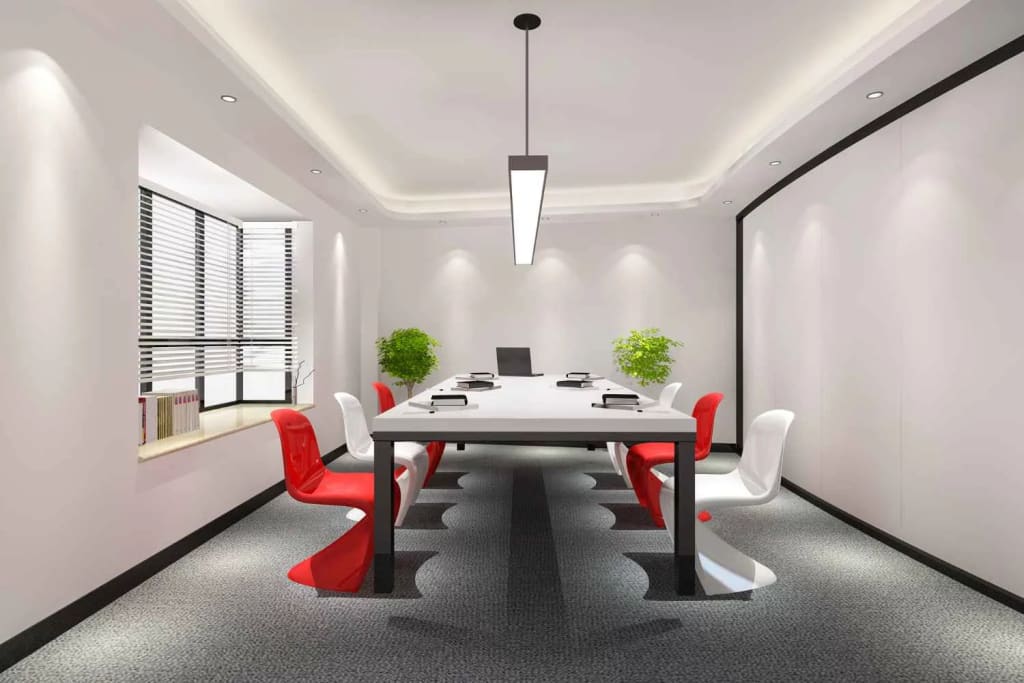
A defining characteristic of successful startups is their unique office design, which is a tangible testament to their distinct culture and brand identity. Startup office design is a fascinating intersection between architecture and corporate culture.
Furthermore, startup interior design should be more than just an aesthetic exercise. When new startups start thinking about their professional office interior design, they should think carefully about every step.
Due to budget constraints, they should choose colors and furniture wisely. Creating a startup interior design may take time, but it is necessary. Here’s a comprehensive guide on energy efficiency strategies for small businesses with a focus on startup office design.
Best Tips to Upgrade New Startup Office's Interior Design!
1. Understand Your Brand Identity
Your office design should reflect your brand's identity and values. Consider your company’s mission, vision, and culture when choosing colors, furniture, and decor. This creates a cohesive and inspiring environment that resonates with your team and clients.
If you live near Delhi, by clicking on this link, you can find the top interior designer firms in Delhi with portfolio details. Give a new look to the interior of your home.
2. Prioritize Natural Light
Maximize the use of natural light in your office. Natural light improves mood, reduces eye strain, and boosts productivity. Position workstations near windows and use glass partitions to allow light to flow throughout the space.
3. Choose an Open Floor Plan
Open floor plans encourage collaboration and communication among team members. Remove unnecessary walls and partitions to create a more inclusive and dynamic workspace. However, ensure there are designated quiet areas for focused work.
4. Incorporate Flexible Workspaces
Provide a variety of workspaces to accommodate different work styles. Include standing desks, collaborative areas, private rooms, and lounge areas. This flexibility allows employees to choose the best environment for their tasks.
5. Invest in Ergonomic Furniture
Ergonomic furniture is crucial for employee comfort and health. Choose chairs with adjustable height and lumbar support, desks that allow for standing or sitting, and accessories like footrests and keyboard trays to promote good posture.
6. Create Inviting Break Areas
Designate comfortable and inviting break areas where employees can relax and recharge. Include cozy seating, greenery, and amenities like a coffee machine or snack bar. Break areas can also serve as informal meeting spaces.
7. Incorporate Brand Colors
Use your brand’s colors strategically throughout the office to create a cohesive look. Incorporate these colors in the walls, furniture, and decor. This not only reinforces brand identity but also adds vibrancy to the space.
8. Add Inspirational Artwork
Decorate the office with artwork that inspires creativity and motivation. Choose pieces that reflect your company’s values and culture. Consider featuring work by local artists to add a unique touch and support the community.
9. Use Modular Furniture
Modular furniture allows for easy reconfiguration of the office layout as your team grows and needs change. Look for pieces that can be easily moved and adapted to different uses, such as modular desks, shelving, and seating.
10. Incorporate Technology
Ensure your office is equipped with the latest technology to support productivity and collaboration. Provide ample power outlets, high-speed internet, and smart office solutions like video conferencing equipment and project management tools.
11. Optimize Acoustics
Good acoustics are essential for a productive work environment. Use sound-absorbing materials like carpets, curtains, and acoustic panels to reduce noise levels. Consider creating designated quiet zones for focused work and meetings.
12. Include Greenery
Incorporate plants into your office design to improve air quality, reduce stress, and boost morale. Choose low-maintenance plants that thrive indoors, such as succulents, snake plants, and pothos. Greenery adds a touch of nature and makes the space more inviting.
13. Personalize Workstations
Allow employees to personalize their workstations with items that make them feel comfortable and motivated. This could include family photos, artwork, or small decor items. Personal touches can increase a sense of ownership and belonging.
14. Provide Ample Storage
Adequate storage solutions help keep the office organized and clutter-free. Incorporate storage options like filing cabinets, shelves, and lockers. Encourage employees to maintain a tidy workspace by providing organizational tools.
15. Create a Welcoming Reception Area
The reception area is the first impression visitors get of your company. Design it to be welcoming and professional with comfortable seating, brand signage, and informative materials about your company. A well-designed reception sets the tone for the rest of the office.
16. Design Collaborative Spaces
Designate areas specifically for collaboration, such as brainstorming zones, meeting rooms, and lounge areas. Equip these spaces with whiteboards, comfortable seating, and necessary technology to facilitate teamwork and idea-sharing.
17. Focus on Lighting
Proper lighting is crucial for productivity and comfort. Use a combination of natural light, task lighting, and ambient lighting to create a well-lit workspace. Avoid harsh fluorescent lights, opting instead for LED or softer lighting options.
18. Implement a Color Scheme
A well-chosen color scheme can enhance the overall mood and aesthetic of your office. Use a mix of neutral tones for a calming effect, combined with pops of color to energize and inspire. Consider the psychological impact of colors when making your choices.
19. Ensure Accessibility
Design your office to be accessible to everyone, including individuals with disabilities. Ensure there are ramps, wide doorways, and accessible restrooms. Providing an inclusive environment promotes diversity and equality in the workplace.
20. Regularly Update and Refresh
Office design is not a one-time project. Regularly assess and update your workspace to meet the evolving needs of your team. Solicit feedback from employees to identify areas for improvement and keep the office environment fresh and inspiring.
Final Thoughts:
By incorporating these 20 tips, you can create a startup office that not only looks great but also supports productivity, collaboration, and employee well-being.
A well-designed office reflects your brand's identity, inspires your team, and impresses clients and visitors. Investing time and effort into thoughtful interior design can pay off in terms of increased morale, efficiency, and overall success.
About the Creator
Ankit Kapoor
Interior design enthusiast, part-time blogger, and a panda lover. I have mission to explore the trending architectural and interior design ideas to the world.
Keep reading
More stories from Ankit Kapoor and writers in Lifehack and other communities.
How to Use Creative Storage Solutions to Enhance Home Decor and Practicality
Modern homes need a blend of style, function, and adaptability. One of the most effective ways to achieve this balance is by incorporating creative storage solutions that not only enhance the decor but also boost the home’s practicality.
By Ankit Kapoorabout a year ago in Lifehack
The Burnout Generation: Why I’m Rejecting Hustle Culture for My Mental Health
I used to believe that grinding—24/7, no breaks, no excuses—was the only way to succeed. Coffee in one hand, deadlines in the other, my brain constantly buzzing, my chest tight, my mind refusing to rest.
By Anie Liban5 days ago in Lifehack


Comments
There are no comments for this story
Be the first to respond and start the conversation.