
10 Plumbing Myths That Are Costing Homeowners Time and Money
Plumbing Myths

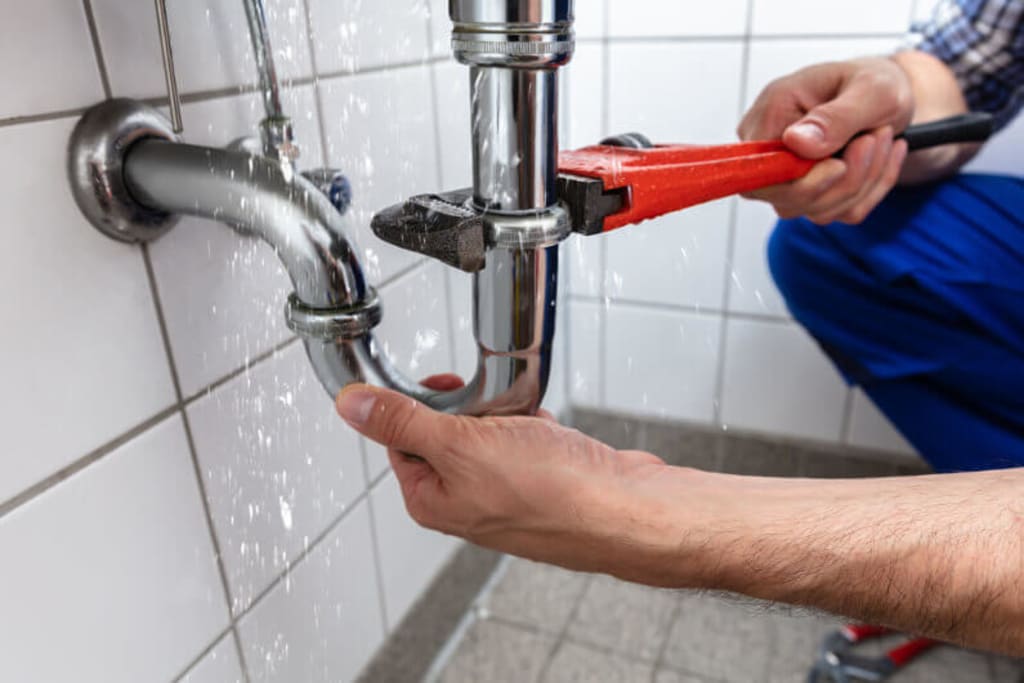
Plumbing systems are one of the most essential—and often misunderstood—parts of any home. While many homeowners take pride in their DIY spirit, misinformation can lead to costly consequences.
Believing outdated or flat-out wrong plumbing "tips" can cause major damage to pipes, increase utility bills, and even void your home warranty. Let’s bust the top 10 plumbing myths that might be draining your wallet and what you should do instead.
1. Lemons Clean Your Garbage Disposal
The Myth: Dropping lemon slices or peels into the garbage disposal will clean and deodorize it.
The Truth: While lemons do temporarily make your disposal smell fresher, they don’t actually clean it. The acidic juice and rind can dull the blades, while the peels can get stuck and contribute to clogs, especially if your pipes are older or narrower.
What to Do Instead:
To clean and sharpen your disposal, use a few ice cubes and pour in a mixture of white vinegar and baking soda.
Run cold water during and after cleaning.
Use a brush or disposal-safe cleaning tool to clean the rubber flaps and inside walls.
2. Flushable Wipes Are Actually Flushable
The Myth: If the label says "flushable," it’s safe to flush down the toilet.
The Truth: Most “flushable” wipes don’t disintegrate like toilet paper. Instead, they remain mostly intact, accumulating in your pipes and sewer system. These wipes are a leading cause of household clogs and “fatbergs” in city sewer systems.
What to Do Instead:
Only flush human waste and toilet paper.
Place wipes, tissues, cotton balls, and hygiene products in the trash—even if labeled flushable.
Use a bidet or wet toilet paper as an alternative if needed.
3. A Leaky Faucet Is Harmless
The Myth: A few drips a day won’t make a noticeable difference.
The Truth: A dripping faucet wastes up to 3,000 gallons of water a year—enough to fill 40 bathtubs. The sound may be annoying, but the hidden cost on your water bill and the potential for mold and rust around the sink are even worse.
What to Do Instead:
Replace worn washers or seals.
Tighten loose faucet components.
If unsure, call a plumber to inspect and fix the issue properly.
4. Chemical Drain Cleaners Are Safe for Regular Use
The Myth: Pouring drain cleaner down your sink or tub regularly will keep pipes clear.
The Truth: Harsh chemicals may work short-term, but they can corrode pipes, especially older metal or PVC ones. Frequent use can lead to pipe leaks, joint weakening, and even toxic fumes in your home.
What to Do Instead:
Try natural solutions: pour baking soda followed by vinegar, let sit, then flush with hot water.
Use a plunger or drain snake.
Call a plumber for persistent or recurring blockages.
5. Pouring Grease Down the Sink Is Fine If You Use Hot Water
The Myth: Grease is a liquid when hot, so pouring it down the drain with hot water is safe.
The Truth: Once grease cools, it solidifies, clinging to the inside of your pipes. Over time, this leads to serious clogs and expensive repairs. Hot water may delay solidification, but it doesn’t prevent it.
What to Do Instead:
Let grease cool in a container (like a tin can), then toss it in the trash.
Wipe greasy pans with a paper towel before washing.
Recycle used cooking oil where facilities exist.
6. Plungers Can Fix Any Clog
The Myth: All you need is a plunger to fix any blockage.
The Truth: While plungers are great for minor clogs in toilets and sinks, they don’t work on deep or stubborn blockages, especially those in the main drain line. Using a plunger incorrectly can also cause damage or worsen the clog.
What to Do Instead:
Use the right tool: sink plunger for flat surfaces, flange plunger for toilets.
Try a hand auger or plumber’s snake for deeper clogs.
For repeated clogs, call a professional to inspect your drain system.
7. Running Water Helps Flush Everything Down the Garbage Disposal
The Myth: As long as you run water, anything can go into the disposal.
The Truth: Water helps, but not all materials are disposal-safe. Fibrous foods like celery, potato peels, or corn husks can wrap around blades. Pasta and rice expand in water and create blockages. Bones, pits, and coffee grounds are also problematic.
What to Do Instead:
Only put small amounts of soft, biodegradable food waste into the disposal.
Run cold water before, during, and after use to help move debris.
Scrape food scraps into the trash or compost bin whenever possible.
8. All Plumbers Offer the Same Quality Service
The Myth: Plumbing is plumbing—anyone with a wrench can handle it.
The Truth: Plumbing is a skilled trade. Not all plumbers have the same level of experience, licensing, or customer service. Hiring an unqualified technician can lead to botched repairs, property damage, and voided warranties.
What to Do Instead:
Choose licensed and insured plumbers with good reviews.
Ask about warranties on labor and parts.
Request a detailed quote before work begins.
9. Water Heaters Don’t Need Maintenance
The Myth: Water heaters are maintenance-free and don’t need attention until something goes wrong.
The Truth: Over time, sediment and minerals build up in your water heater tank, reducing efficiency, water quality, and appliance lifespan. Neglect can lead to higher energy bills and unexpected breakdowns.
What to Do Instead:
Drain and flush your water heater annually.
Check the anode rod every 2–3 years to prevent rust.
Have a plumber inspect the system during routine home maintenance.
10. Low Water Pressure Is Just an Inconvenience
The Myth: Low water pressure is something to live with, especially in older homes.
The Truth: Low pressure could signal serious plumbing problems—leaks, pipe corrosion, or hidden blockages. Ignoring it can lead to structural damage or mold growth from undetected water leaks.
What to Do Instead:
Inspect all visible pipes for leaks.
Check your water meter or usage for signs of hidden leaks.
Call a plumber to inspect your system and identify the source of the issue.
Don’t Overlook Plumbing During a Move
If you're planning a move into a new home, plumbing might not be top of mind but it should be. Many plumbing issues, like low water pressure or slow drainage, aren't always obvious during a walkthrough. That’s why it’s wise to conduct a thorough plumbing inspection before settling in.
Hiring a professional mover can help take the stress out of relocation, so you have time to focus on important home essentials including getting the plumbing system assessed by a licensed plumber. A smooth move and a sound plumbing system are both key to starting off on the right foot in your new home.
Final Thoughts: Don’t Let Plumbing Myths Cost You
Plumbing problems are often avoidable—but not if you're relying on outdated or inaccurate information. These common myths can lead to thousands of dollars in preventable repairs, water damage, and frustration.
Educate yourself. Stay proactive. And when in doubt—call a licensed professional. You’ll protect your home, save money, and ensure peace of mind.
About the Creator
Gulshan
SEO Services , Guest Post & Content Writter.
How to repair chipped quartz benchtops
Quartz benchtops have become a staple in contemporary kitchen and bathroom renovations throughout Sydney. Homeowners favour them for their clean appearance, durability and relatively simple maintenance. From family homes in Parramatta and Ryde to coastal properties in Manly and modern apartments across the Eastern Suburbs, engineered quartz surfaces are widely used because they balance practicality with a refined aesthetic.
By John Zhangabout 18 hours ago in Lifehack
The Forsyth House Fire
Since 1851, Forsyth House has stood on the corner of Union Street and Gordon Street in the heart of Glasgow. Its iconic, or was... because on Sunday 8th of March, 2026, a fire broke out in a small, seemingly un-named shop in the building and tore all that history down. As I write, the rubble is still unsettled and the street is still blocked off. Central Station is quiet on the upper level, and around 30 small businesses have quite literally gone up in smoke.
By S. A. Crawford3 days ago in The Swamp




Comments
There are no comments for this story
Be the first to respond and start the conversation.