
10 Places to Visit in Vaishno Devi Yatra
Journey of Devotion: Sacred Stops on the Vaishno Devi Pilgrimage Route

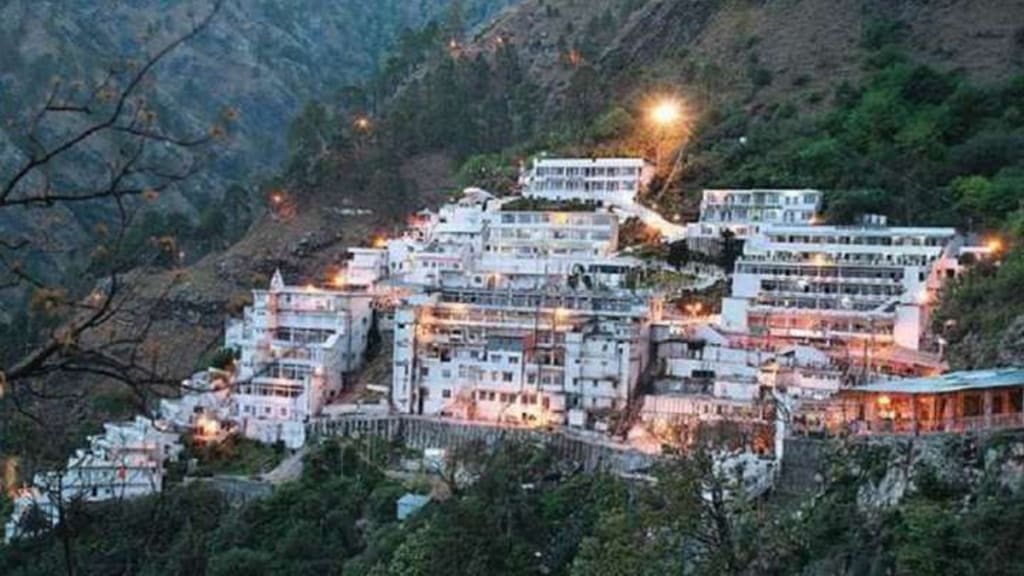
To provide a comprehensive guide to the Vaishno Devi yatra, including detailed information about each significant place along the pilgrimage route, let's delve deeper into each location, its significance, and what pilgrims can expect during their journey.
1. Banganga
Banganga is the starting point of the Vaishno Devi pilgrimage, located about 1.5 kilometers from Katra. It holds great mythological significance in the tale of Mata Vaishno Devi. According to legend, when Mata Vaishno Devi was thirsty and needed water, she shot an arrow into the ground, and water gushed out, forming a small stream. This stream is now known as Banganga.
What to See:
- Banganga Temple: There is a temple dedicated to Banganga Devi near the stream. Pilgrims often take a holy dip in the stream before starting their journey towards the main shrine of Vaishno Devi.
2. Charan Paduka
Charan Paduka, which translates to "footprints of the Goddess," is the next significant stop on the yatra. It is believed that Mata Vaishno Devi rested here for some time while on her way to the cave. Pilgrims consider it auspicious to touch the rock where her footprints are imprinted and offer their prayers.
What to See:
- Footprints of Mata Vaishno Devi: The main attraction here is the rock with the imprint of Mata Vaishno Devi's footprints. Devotees often perform rituals and seek blessings at this spot.
3. Ardhkuwari
Ardhkuwari is located approximately halfway to the shrine of Vaishno Devi. It holds significant mythological importance as the place where Mata Vaishno Devi is said to have meditated for nine months.
What to See:
- Ardhkuwari Temple: The temple here is dedicated to Goddess Vaishno Devi. It is believed that Mata Vaishno Devi spent some time here during her journey. Pilgrims usually rest and offer prayers at this temple before continuing their trek.
4. Sanjichhat
Sanjichhat is another important stop on the Vaishno Devi yatra, situated at a higher altitude and offering a panoramic view of the surrounding mountains.
What to See:
- Helipad: Many pilgrims opt for helicopter services from Katra to Sanjichhat due to the steep terrain and to save time.
- Viewpoint: Sanjichhat provides a breathtaking view of the Trikuta Mountain range and the lush green valleys below.
5. Bhairon Temple
Bhairon Temple is located at the highest peak in the vicinity and is a popular destination for pilgrims who visit after paying homage at the main shrine of Vaishno Devi.
What to See:
- Bhairon Baba Temple: Dedicated to Bhairon Nath, a devotee of Mata Vaishno Devi, this temple offers stunning views of the surrounding mountains.
- Legend: According to mythology, Bhairon Nath chased Mata Vaishno Devi with ill intentions, but she beheaded him. Bhairon repented and was granted a boon that devotees would visit his temple after visiting Mata Vaishno Devi.
6. Vaishno Devi Temple
The main shrine of Mata Vaishno Devi is located in a cave at an altitude of approximately 5,200 feet in the Trikuta Mountains.
What to See:
- Holy Cave: The cave shrine houses three natural rock formations called the Pindies, representing the three forms of Goddess Shakti (Maha Kali, Maha Lakshmi, and Maha Saraswati).
- Darshans: Devotees wait in long queues for hours to get a glimpse of the Pindies and seek blessings from Mata Vaishno Devi.
- Bhawan: Nearby, there is a large hall where pilgrims can rest and have free meals (langar).
Rituals and Offerings:
- Aarti: Regular aarti ceremonies are performed at the cave shrine.
- Prasad: Offerings of coconut, dry fruits, and sweets are made to the goddess.
- Pilgrimage Completion: After darshan, pilgrims collect prasad and receive a blessing from the priests.
7. Baba Dhansar
Baba Dhansar is a slightly offbeat destination along the Vaishno Devi yatra route but is gaining popularity due to its scenic beauty and spiritual significance.
What to See:
- Shiva Temple: A small temple dedicated to Lord Shiva is located here.
- Spring: The main attraction is a natural spring that emerges from the rocks and forms a small pool downstream.
- Legend: It is believed that Lord Shiva once meditated here, and pilgrims visit to take a dip in the holy waters.
8. Katra
Katra serves as the base camp for the Vaishno Devi pilgrimage. It is a bustling town with various facilities for pilgrims, including accommodation, restaurants, and shops selling religious items.
What to See:
- Main Bazaar: The market area in Katra is popular among pilgrims for buying souvenirs, prasad items, and other essentials.
- Banganga Arti: In the evening, aarti is performed at Banganga, and many pilgrims attend this ritual.
9. Jhajjar Kotli
Jhajjar Kotli is a picturesque picnic spot along the trekking route to Vaishno Devi, known for its natural beauty and serene surroundings.
What to See:
- Waterfalls: There are several small waterfalls and streams flowing through the area, making it a refreshing stop for pilgrims.
- Picnic Spot: Many pilgrims and tourists stop here to relax, have a picnic, and enjoy the natural beauty.
10. Himkoti
Himkoti is a scenic hilltop location en route to Vaishno Devi, offering stunning views of the surrounding mountains and valleys.
What to See:
- Viewpoint: Himkoti offers panoramic views of the Trikuta Mountain range and the town of Katra below.
- Refreshment Stop: There are refreshment stalls where pilgrims can rest and enjoy snacks and beverages.
Additional Tips for Pilgrims:
- Weather: The weather in the Trikuta Mountains can be unpredictable. It is advisable to carry warm clothing, especially during the winter months.
- Footwear: Comfortable and sturdy footwear is essential for the trek as the path can be rocky and steep in places.
- Health Considerations: The trek to Vaishno Devi involves walking uphill for several kilometers. Pilgrims should pace themselves and stay hydrated.
- Accommodation: There are various accommodation options in Katra, ranging from budget guesthouses to luxury hotels. It is advisable to book accommodation in advance, especially during peak pilgrimage seasons.
- Helicopter Services: Helicopter services are available from Katra to Sanjichhat for pilgrims who prefer to shorten their journey.
Conclusion
The Vaishno Devi yatra is not just a pilgrimage but a spiritual journey through the scenic landscapes of the Trikuta Mountains. Each stop along the route has its own significance and offers pilgrims an opportunity to connect with the divine and immerse themselves in the rich mythology surrounding Mata Vaishno Devi. Whether you are seeking spiritual solace or simply exploring the natural beauty of the region, the Vaishno Devi yatra promises a memorable and fulfilling experience for every pilgrim.
About the Creator
Tarun Rawat
Tarun Rawat: A seasoned digital marketing expert with a proven track record of driving online success through strategic campaigns and innovative strategies. Currently working with pilgrimage tour travel company.
Keep reading
More stories from Tarun Rawat and writers in Lifehack and other communities.
Exploring the Paradise on earth
The stunning alpine lakes, snow-capped peaks of enormous mountains, and widely dispersed meadows may all be found in Kashmir, the planet’s natural paradise. The state has developed into a mecca for adventurous sports like trekking in recent years. Trekking is a wonderful journey for adventure addicts due to the unmatched challenges of the highlands and the stunning lakes. Because they bring hikers up close to the natural environment and a human community amidst the mountains, the hiking trails in Kashmir are special. The routes in Kashmir are often mild, making them the ideal place for beginners to experience the adventurous side of trekking. It is best to travel during Jammu and Kashmir tour packages with a local because they will have knowledge of the convoluted pathways.
By Tarun Rawat2 years ago in Lifehack
Lessons Learned in a Wheel Chair, Singing in the Sunshine 🥀
It starts with love. . . and life . . . Motivational Mantra: Living with Disabilities “To think in terms of either pessimism or optimism oversimplifies the truth. The problem is to see reality as it is.” — Thich Nhat Hạnh
By WILD WAYNE : Taco King of Dragons6 days ago in Lifehack
Preparing Water with Shungite
Water plays a central role in every biological system. For generations, people have turned to natural materials to enhance water quality through physical interaction and adsorption processes. One such material is Shungite — a carbon-rich mineraloid originating from Karelia, Russia.
By Andreas Krobath3 days ago in Lifehack
The Duelist
The rays of a dying red sun flashed against the onrushing blade. The grey beards say the key to dueling lies in size, speed, reach, righteous fury, whatever the person in front of them pays them to say. Matteo knew better than any it was none of these and had an undefeated record on these sands to prove it.
By Matthew J. Fromm3 days ago in Fiction


Comments (1)
Hey, just wanna let you know that this is more suitable to be posted in the Wander community 😊