Latest Stories
Most recently published stories on Vocal.
Chinese New Year 2026: Meaning, Traditions, Zodiac Signs & Celebration Guide
In the Chinese calendar, this is the most important day of the year, and on February 1 more than one billion people eat delicious meals with their loved ones. They watch colorful parades held in their respective areas and pray that the new year will prove to be blessed for them.
By Real content5 days ago in History
The Right Plant, Right Place: The First Rule of a Thriving Garde. AI-Generated.
This principle is the cornerstone of sustainable, low-maintenance, and thriving gardens. It means choosing plants that are naturally adapted to the specific conditions of your garden, rather than constantly battling to change your garden to suit the plants. When you follow this rule, you work with nature, not against it, leading to a healthier ecosystem and more time enjoying your garden rather than nursing it.
By Emma Wallace5 days ago in Earth
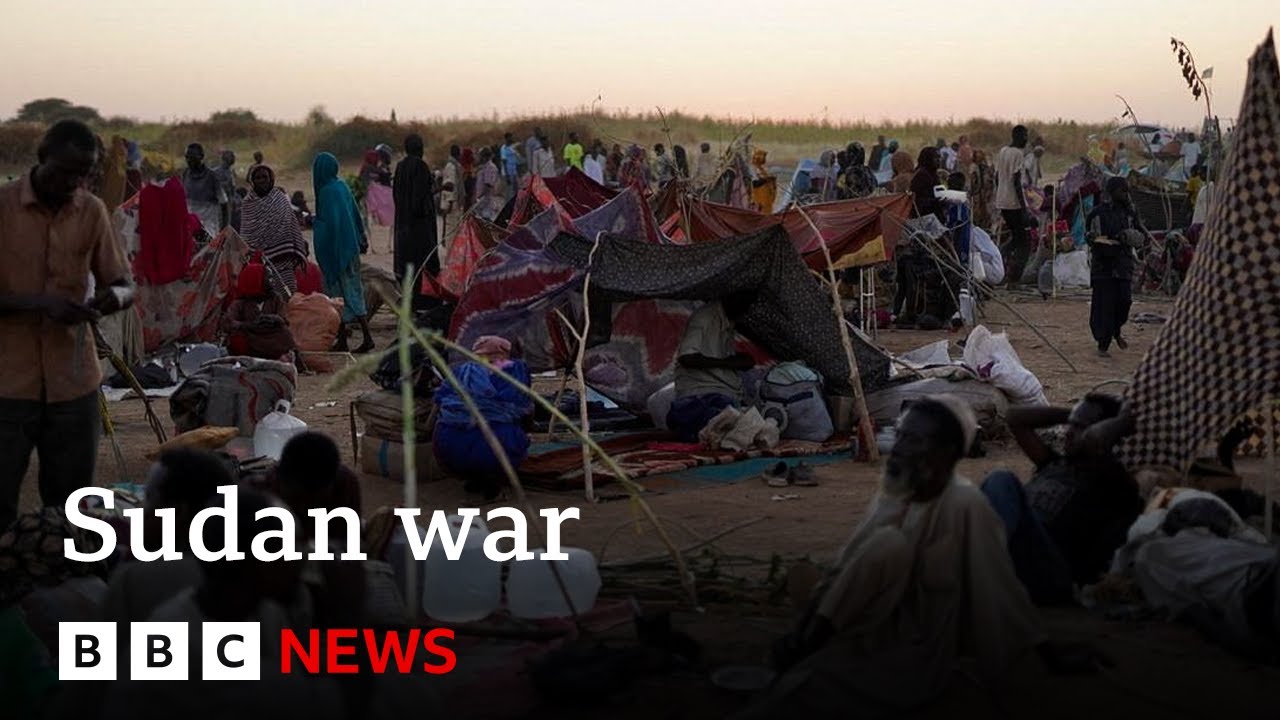
As Sudanese City Returns to Life After Two-Year Siege, Drone Threat Lingers. AI-Generated.
After nearly two years of isolation, hunger, and constant shelling, parts of a once-thriving Sudanese city are cautiously returning to life. Markets have reopened, children are back in makeshift classrooms, and families are attempting to rebuild homes reduced to rubble. Yet despite the visible signs of recovery, fear still hangs in the air as drone attacks and sporadic fighting continue to threaten fragile stability. The city, located near the conflict-scarred capital region of Khartoum, had been under siege since fighting erupted between the Sudanese Armed Forces and the paramilitary Rapid Support Forces in April 2023. Roads were blocked, electricity cut, and medical supplies depleted as residents endured months of bombardment and starvation. Now, with front lines shifted and some checkpoints lifted, civilians are slowly returning to neighborhoods that had been abandoned. Street vendors have resumed selling vegetables and tea, while small workshops are repairing bicycles, phones, and generators. “We survived on dried bread and rainwater for months,” said Ahmed, a shopkeeper who reopened his grocery stall last week. “It feels like the city is breathing again.” Hospitals that were once overwhelmed or destroyed are beginning to function with limited capacity. Volunteer doctors and aid workers have re-established clinics using donated equipment and emergency supplies brought in through newly accessible routes. However, health services remain fragile. Many medical professionals fled during the siege, and medicine shortages persist. Despite the return of daily activity, danger has not disappeared. Drone attacks have become a defining feature of the conflict’s latest phase. Residents report hearing buzzing sounds overhead, followed by explosions targeting military positions or suspected supply routes. While the strikes are often aimed at fighters, civilians are frequently caught in the crossfire. “Drones don’t distinguish between soldiers and families,” said Fatima, a mother of four whose home was damaged by a blast last month. “We are rebuilding, but every time we hear one, we run inside and pray.” Security analysts say drones have changed the nature of the war. Once dominated by ground battles and artillery fire, the conflict now includes long-range aerial surveillance and targeted strikes. Both sides accuse each other of using drones to intimidate civilian populations and disrupt humanitarian efforts. International organizations warn that renewed attacks could reverse the fragile recovery. Aid agencies are attempting to expand food and medical assistance but face challenges due to insecurity and damaged infrastructure. Power lines and water systems remain unreliable, forcing residents to depend on generators and wells. The humanitarian toll remains staggering. Millions across Sudan have been displaced since the war began, with entire communities pushed into refugee camps or neighboring countries. Those returning to the city describe scenes of devastation: schools reduced to shells, mosques burned, and markets looted. Local leaders have formed neighborhood committees to organize clean-up efforts and mediate disputes. Young volunteers sweep debris from streets and repair shattered windows using scrap wood and plastic sheets. These grassroots efforts have become symbols of resilience in a city that many feared would never recover. Still, residents say peace feels temporary. Nighttime curfews remain in place, and many families sleep in one room for safety. The sound of distant gunfire is common after dark, reminding everyone that the conflict is far from over. Diplomatic efforts to broker a ceasefire have so far failed to bring lasting peace. Talks mediated by regional and international partners have stalled repeatedly, while clashes continue in multiple parts of the country. For now, people are focused on survival and small victories—opening a shop, planting vegetables, or sending children back to school. “We don’t know what tomorrow will bring,” said Ahmed. “But today, at least, we can live.” As the city struggles to rise from the ruins of a two-year siege, its future remains uncertain. Life is returning, but under the constant shadow of drones and renewed violence, the path to lasting peace still seems distant.
By Fiaz Ahmed 5 days ago in The Swamp
Bright Futures on Stage
Students who choose theater tech and electrical design step into a world of light, sound, and motion. They help bring stories to life. Their work shapes what the audience sees and feels. This field powerfully mixes art and science. If you enjoy solving problems and working with your hands, this path may fit you well.
By Brian Casella5 days ago in Education
Dawson’s Beek
It’s the late 90’s, 1998 to be exact. The writer of Scream has just created a young adult television drama series that will define a generation. That show was called Dawson’s Creek and it starred one of the most defining performers of our time, James Van Der Beek.
By Joe Patterson5 days ago in Journal
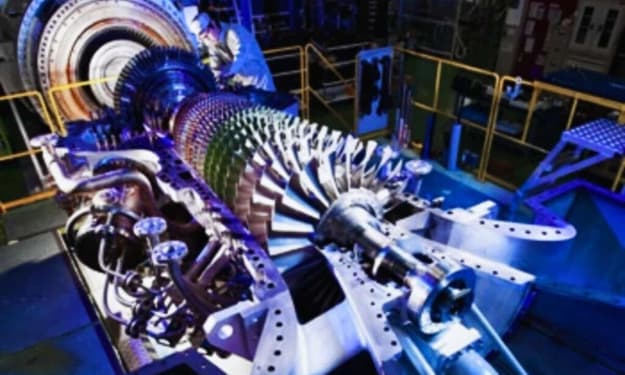
Japan Has Created the World’s First Engine That Generates Electricity on 30% Hydrogen. AI-Generated.
Japan has taken a major step toward cleaner energy innovation by unveiling the world’s first power-generating engine capable of running on a fuel mix containing 30 percent hydrogen. The breakthrough reflects the country’s long-standing commitment to hydrogen technology and its broader ambition to reduce carbon emissions while maintaining reliable energy supplies for industry and communities. The project was led by a collaboration between Japanese engineers and researchers, supported by the government’s push to develop alternative fuels. Companies such as Toyota Motor Corporation have already been pioneers in hydrogen-powered vehicles, and this new engine expands that expertise into electricity generation. Unlike conventional internal combustion engines that rely entirely on fossil fuels, the new system blends hydrogen with natural gas, significantly cutting carbon dioxide output without requiring a complete redesign of existing power infrastructure. How the engine works The engine operates by burning a mixture of 30 percent hydrogen and 70 percent natural gas to drive a generator that produces electricity. Hydrogen burns more cleanly than fossil fuels, emitting only water vapor when used alone. When blended with natural gas, it still reduces overall greenhouse gas emissions while maintaining stable combustion and high efficiency. Engineers faced challenges in controlling ignition timing and preventing backfire due to hydrogen’s high flammability, but new combustion control technologies and sensors helped solve these issues. According to developers, the engine achieves similar performance levels to conventional gas engines while producing far fewer harmful emissions. Nitrogen oxide (NOx) levels are also reduced through advanced exhaust treatment systems. This makes the engine suitable for use in urban areas, factories, and backup power facilities where cleaner energy is increasingly required. Why this matters Hydrogen has long been viewed as a key pillar of future energy systems, but most hydrogen today is produced from fossil fuels, limiting its environmental benefits. Japan’s approach focuses on gradually introducing hydrogen into existing energy networks rather than waiting for a fully hydrogen-based economy. By starting with a 30 percent blend, the country can lower emissions now while continuing to develop greener hydrogen production methods, such as electrolysis using renewable energy. This technology is especially important for power generation. While wind and solar energy are growing rapidly, they depend on weather conditions. A hydrogen-blended engine can provide stable electricity during peak demand or emergencies, acting as a bridge between today’s fossil-fuel systems and tomorrow’s zero-carbon solutions. Economic and industrial impact The new engine is expected to benefit Japanese industry by creating new manufacturing and export opportunities. Countries seeking to cut emissions without shutting down existing gas infrastructure may adopt similar systems. This positions Japan as a leader in practical hydrogen applications rather than purely experimental ones. The government has already outlined plans to install hydrogen-blended engines in selected facilities, including industrial plants and data centers. Over time, engineers aim to increase the hydrogen ratio beyond 30 percent as safety standards and supply chains improve. A step toward a hydrogen society Japan has promoted the idea of a “hydrogen society” for more than a decade, investing in fuel cell vehicles, hydrogen refueling stations, and large-scale import projects. This new electricity-generating engine strengthens that vision by showing how hydrogen can be integrated into everyday energy use. Experts say the achievement demonstrates that hydrogen is no longer just a concept for cars or laboratories but a realistic option for power generation. While challenges remain—especially in producing hydrogen sustainably and at low cost—the engine marks a crucial milestone. By successfully operating the world’s first engine that generates electricity on a 30 percent hydrogen blend, Japan has once again positioned itself at the forefront of clean energy innovation. The development offers a practical pathway for reducing emissions today while building toward a more sustainable energy future tomorrow.
By Fiaz Ahmed 5 days ago in Longevity
Smart Savings in Real Time
Every business wants to lower costs. However, many leaders fear that cutting expenses will hurt quality. The good news is that this does not have to happen. Many companies prove that smart planning can protect quality while lowering spending. These real-world examples show efficiency in action and how teams reduced costs without compromising quality.
By Duke Valentour5 days ago in Education
How to Improve Your Vehicle’s Performance Safely and Effectively
Many vehicle owners want better performance, improved fuel efficiency, and smoother driving. Whether you use your car for daily commuting, long road trips, or performance driving, optimizing its performance can enhance your overall experience. Fortunately, there are several safe and effective ways to improve how your vehicle operates without compromising reliability.
By Kashif Khan5 days ago in 01
How to Improve Your Online Visibility and Attract More Customers to Your Local Business
In today’s digital world, having a strong online presence is essential for any business that wants to grow and stay competitive. Customers no longer rely solely on word-of-mouth or traditional advertising. Instead, they search online to find products, services, and solutions that meet their needs. If your business does not appear in search results, you could be missing valuable opportunities.
By Kashif Khan5 days ago in 01