
Zambia’s Vision for Economic Transformation: The Role of Agriculture and Technology
Zambia’s Vision for Economic Transformation
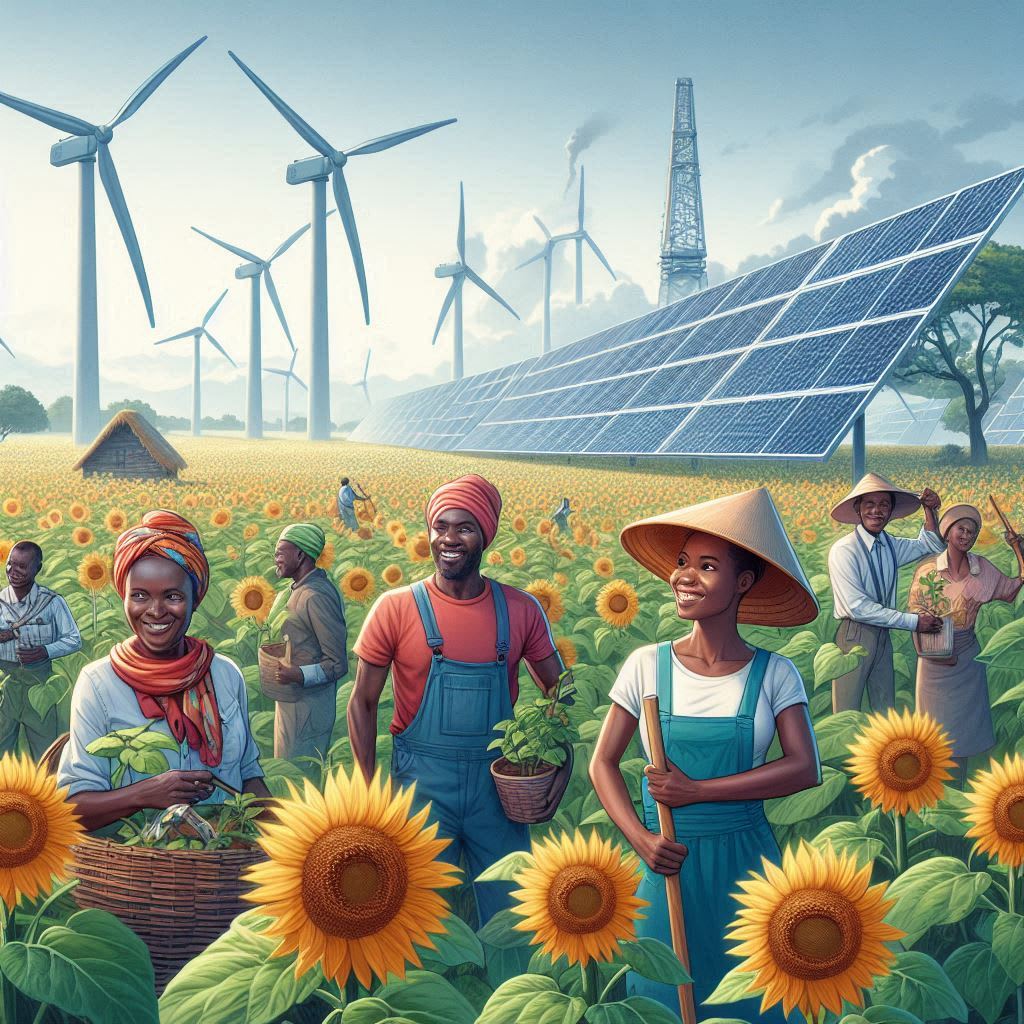
Zambia, a country rich in natural resources, stands at the crossroads of economic transformation. While it has historically been known for its mining industry, particularly copper, there is a growing recognition of the need to diversify its economy. Agriculture and technology are emerging as key pillars in Zambia’s vision for sustainable growth, with the potential to transform the nation into a more diversified and resilient economy.
The Role of Agriculture in Zambia’s Economy
Agriculture has long been the backbone of Zambia’s economy, employing a large portion of the population. However, much of the sector remains underdeveloped, reliant on traditional farming methods that are vulnerable to climate change and limited access to modern farming inputs. To drive economic growth, Zambia has set its sights on modernizing agriculture and improving food security.
One of the primary goals is to enhance productivity through better irrigation, access to quality seeds, and modern farming techniques. The introduction of new technologies like drip irrigation and precision farming can help farmers optimize their output while conserving water and reducing costs. Additionally, the government has been pushing for agricultural diversification, encouraging the production of a wider range of crops beyond the staple maize, such as soybeans, groundnuts, and horticultural products, which have growing demand both locally and internationally.
Technology as a Catalyst for Change
Technology plays a crucial role in Zambia’s economic transformation by supporting advancements in various sectors, including agriculture. The country’s digital transformation is helping farmers access real-time information about weather patterns, crop diseases, and market prices. Mobile platforms are providing farmers with tools for mobile banking, insurance, and advice on best practices, all of which help them increase efficiency and profitability.
Beyond agriculture, technology is opening up opportunities in other areas like education, healthcare, and business. The rise of digital platforms has allowed for improved access to services and created new avenues for entrepreneurship. For example, young Zambians are increasingly turning to tech startups, with some companies focusing on e-commerce, fintech, and software development. The government’s push to improve internet connectivity and expand digital literacy programs is helping to create an environment where technology can thrive and contribute to Zambia’s economic diversification.
Linking Agriculture and Technology for Greater Impact
The true potential of Zambia’s agricultural sector lies in the synergy between modern agricultural practices and technology. Precision farming, which uses data and technology to make farming decisions, is helping smallholder farmers increase their yields while minimizing waste. Drones and satellite technology are being used for crop monitoring, allowing farmers to detect pests or nutrient deficiencies early on and take action swiftly.
Furthermore, Zambia is exploring opportunities for agribusinesses to leverage technology in the processing and distribution of agricultural products. By moving up the value chain and adding value to raw materials through processing, Zambia can create jobs, stimulate industrial growth, and reduce its reliance on raw commodity exports.
Challenges and the Path Forward
Despite the promising potential, challenges remain in fully realizing Zambia’s vision for economic transformation. Access to finance, inadequate infrastructure, and a need for better policy frameworks in both agriculture and technology are some of the hurdles that must be addressed. Additionally, there is a pressing need for more public-private partnerships to scale up initiatives and foster innovation.
However, the commitment to agricultural modernization and technological development is evident in government plans and initiatives. By strategically investing in infrastructure, education, and research, Zambia can unlock new growth opportunities for its economy.
Conclusion
Zambia’s path toward economic transformation lies in leveraging the combined potential of agriculture and technology. By modernizing farming, diversifying its agricultural production, and embracing digital innovation, Zambia is positioning itself to create a more resilient, sustainable, and diversified economy. With the right investments and policies, agriculture and technology will undoubtedly play a pivotal role in shaping the future of Zambia’s economic landscape.
About the Creator
Mutale Ngoma
Passionate about politics and staying informed on global events. I enjoy discussing current affairs, exploring different perspectives, and staying updated on the latest news shaping the world.
Keep reading
More stories from Mutale Ngoma and writers in Journal and other communities.
From Copper to Clean Energy: Zambia’s Mining Sector in the Age of Sustainability
Zambia, often referred to as the “Copper Belt” due to its rich deposits of copper, has long been a key player in the global mining industry. The country’s mining sector has contributed significantly to its economic growth and remains a cornerstone of its development strategy. However, as the world moves towards more sustainable practices, Zambia is now at a pivotal moment in its mining journey — a transition from reliance on traditional, polluting practices to cleaner, greener technologies.
By Mutale Ngomaabout a year ago in Journal
My New Book is Finally Here
My poetry collection Beautiful and Brutal Things is done. It's actually done and finally published over 270 pages. Over a year of my life went into this book. More than a year, really. Long days at my computer, sometimes seven days a week because I couldn't stop even when I probably should have. Then two months of editing that felt harder than the writing itself. But it's finished, and I'm still standing, and the book is real.
By Tim Carmichael7 days ago in BookClub




Comments
There are no comments for this story
Be the first to respond and start the conversation.