
World Animal Day: Appreciating and Protecting Our Animal Kingdom
"A Global Celebration of Wildlife: Advocating for the Protection and Welfare of Animals Everywhere"
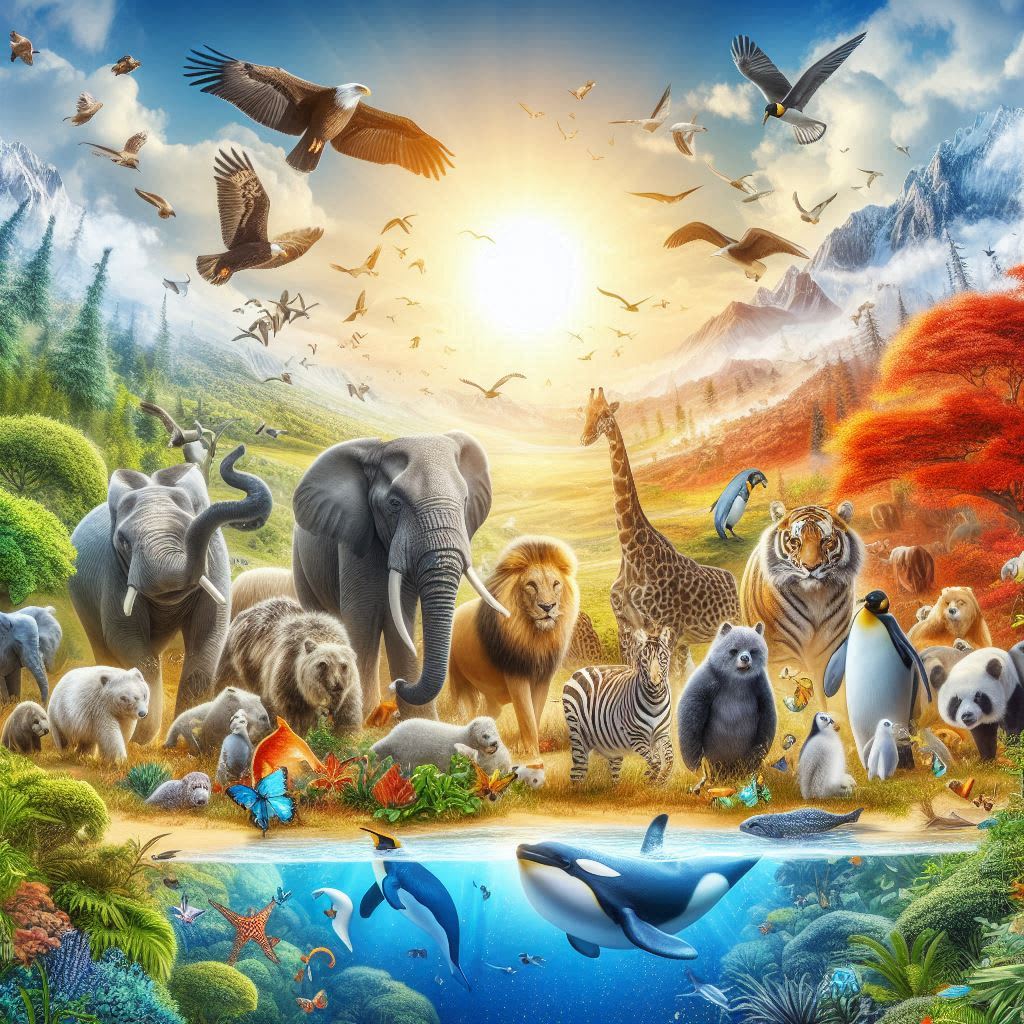
Tiger
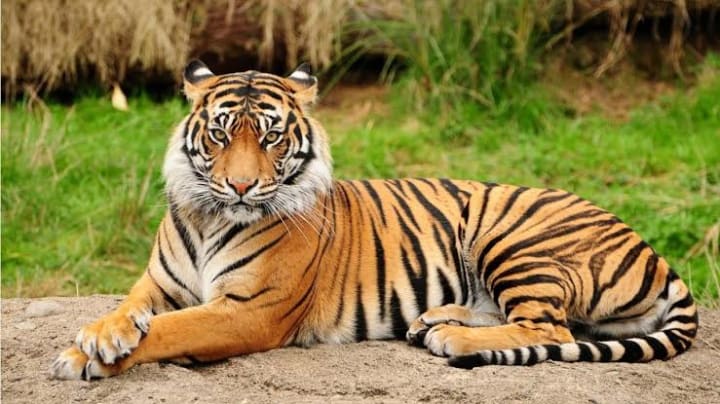
Tigers are the largest of all cat species. They can grow up to 3.3 meters long (around 11 feet) and weigh as much as 306 kilograms (670 pounds). Despite their size, they have incredible energy and agility, making them powerful hunters capable of catching their prey with swift movements.
One of the most striking features of a tiger is its beautiful coat, which has dark stripes on a reddish-orange background. These stripes, while eye-catching, help tigers blend into their surroundings, making it easier for them to sneak up on their prey. Tigers are also known for their large, sharp teeth, especially their long canines, which can grow up to 74.5 millimeters (about 2.93 inches). These teeth help them deliver a deadly bite.
Though some people mistakenly think tigers are native to Africa, they actually come from the Asian continent. There are different types of tigers, including the Chinese and Bengal tigers, which have sometimes been introduced to Africa, mostly by zoos, in an effort to protect and expand their habitat.
Lion
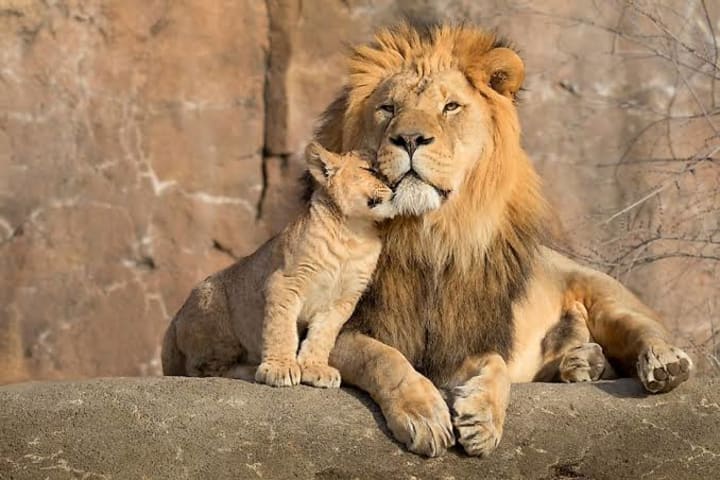
Lions are known for their strong, muscular bodies, which help them take down and kill their prey. Their powerful forelegs, sharp teeth, and strong jaws make them highly effective hunters. Lions have yellow-gold coats, and the adult males are easily recognized by their thick, shaggy manes. These manes can be blond, reddish-brown, or even black, and their size and color depend on factors like age, genetics, and hormones. When lions are young, they have light spots on their coats that fade as they grow older.
Interestingly, without their coats, lion and tiger bodies look so similar that only experts would be able to tell the difference between them.
Male lions stand between 3.5 and 4 feet tall at the shoulder (about 1 to 1.2 meters) and can grow up to 10 feet in length (3 meters), including a 2 to 3-foot tail (60 to 91 centimeters). They typically weigh between 330 and 550 pounds (150 to 250 kilograms). Female lions are slightly smaller, growing up to 9 feet long (2.7 meters) and weighing between 265 and 395 pounds (120 to 180 kilograms).
Lions live in a variety of environments, from open grasslands to thick brush and dry thorn forests. While most lions are found in Africa, there is a small population of the Indian lion subspecies living in the Gir Forest of northwest India. In Africa, lions are spread across the continent from the southern edge of the Sahara Desert to northern South Africa, but they are not found in the tropical rainforests around the equator.
Hippo
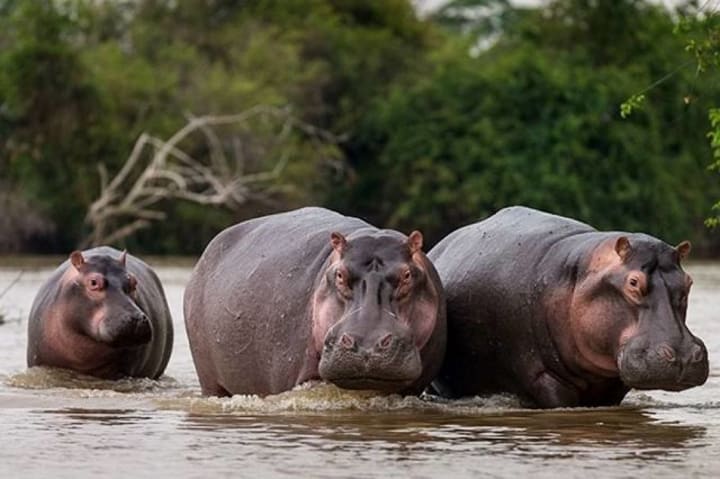
Hippos are massive semi-aquatic animals with large, barrel-shaped bodies, short legs, a small tail, and an enormous head. Their skin is a grayish-brown color that fades to a pale pink underneath. Despite their heavy build, they spend a lot of time in the water to stay cool.
Hippos are actually the second largest land animals on Earth, with elephants taking the top spot. Male hippos can grow up to 3.5 meters long and 1.5 meters tall, weighing as much as 3,200 kilograms—that’s about the same weight as three small cars!
To escape the intense African heat, hippos spend most of their time in rivers and lakes. Their eyes, nose, and ears are located on the top of their head, allowing them to see and breathe while most of their body is submerged in water.
In the past, hippos were found throughout sub-Saharan Africa, but their populations have decreased due to habitat destruction and hunting. Today, they mainly live in protected areas, especially in East African countries.
Whales
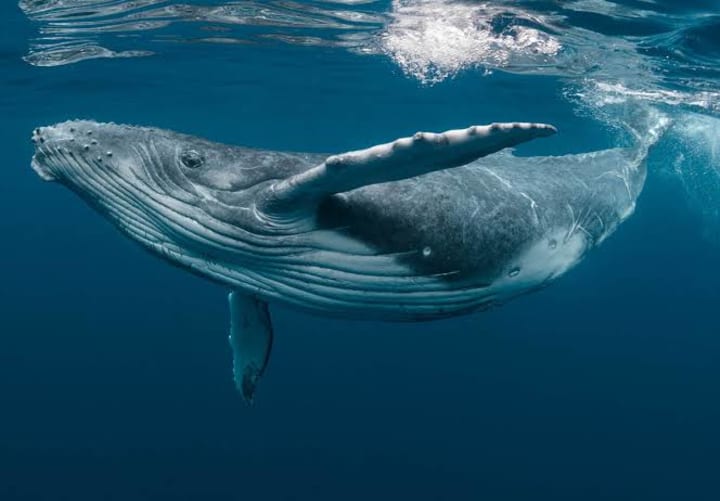
Whales are massive, fascinating creatures of the sea! The Blue Whale, in particular, holds the title of the largest mammal on Earth. These giants can grow to more than 90 feet long and weigh over 330,000 pounds, which is roughly the same weight as 24 elephants! Whales come in various colors, including black, grey, black and white, or white, while some have a blue-grey shade.
Their skin is smooth, and underneath, they have a thick layer of fat called blubber that helps protect them from the cold ocean waters. The whale's torpedo-shaped body is perfectly designed to glide through the water quickly and efficiently. Although they live in the water, whales must come up to the surface to breathe. They do this by taking in air through one or two blowholes located on the top of their heads.
Gorilla
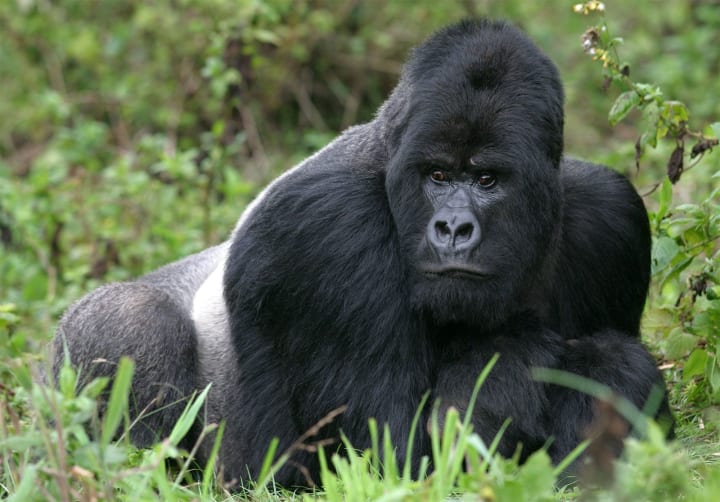
Gorillas are the largest of the great apes. Despite being over 10 times stronger than humans, they share 98.3% of their DNA with us, making them one of our closest relatives after chimpanzees and bonobos.
There are two main types of gorillas: eastern and western gorillas. Interestingly, these two types live relatively close to each other, separated by only 560 miles of forest. Each type is further divided into two subspecies: eastern lowland and eastern mountain gorillas, and western lowland and western Cross River gorillas.
Gorillas are social creatures that live in groups called troops. A typical troop consists of about 5 to 10 gorillas, though some can have more than 50 members. The groups are polygamous, led by a dominant male called a silverback. The silverback mates with the females, and the young gorillas stay with the troop until they mature. Once they reach adulthood, all the males and about 60% of the females move on to join new troops, which helps prevent inbreeding.
Seal
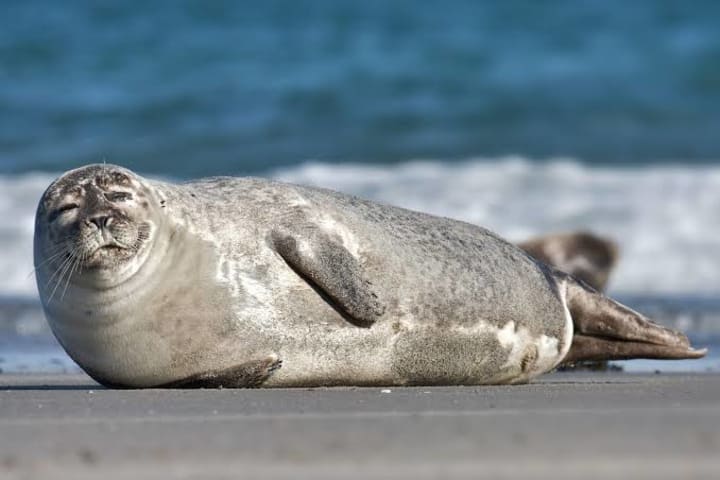
Seals, scientifically known as 'Pinnipedia', are fascinating carnivorous mammals that live in a variety of environments across the world. They can live up to 30 years in the wild and vary greatly in size, from 3 feet to 20 feet long, weighing anywhere from 100 pounds to a massive 4.4 tons.
There are 33 species of pinnipeds today, and they fall into three main groups. The first is the whale, the only living member of the family Odobenidae. Then, there are the eared seals of the Otariidae family, which include sea lions and fur seals. Lastly, we have the earless seals, also called true seals, which belong to the Phocidae family. Despite being called "earless," these seals do have ears, but they are hidden beneath their skin.
Pinnipeds are found all over the world, from cold Arctic waters to warmer regions. Most species prefer colder environments, where their thick blubber and dense fur help keep them warm. One exception is the walrus, which has a nearly hairless body and relies on its blubber to stay warm in cold waters.
Penguin
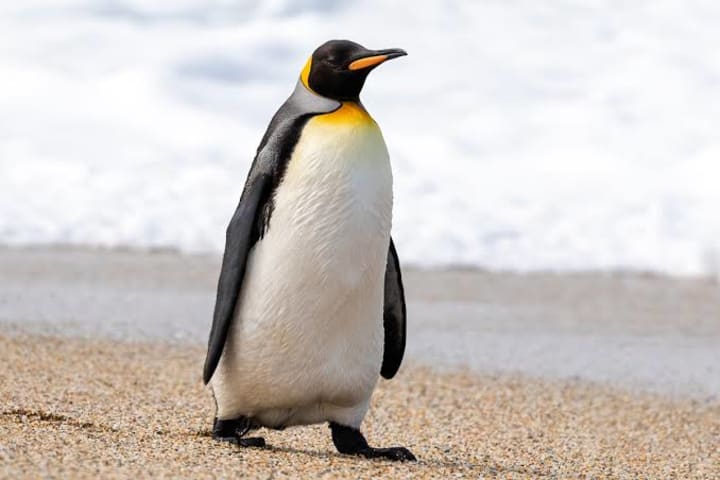
Penguins, scientifically known as 'Spheniscidae', are flightless seabirds that are mostly found in regions below the equator. While a few species live in warmer areas, most penguins, such as emperor, adélie, chinstrap, and gentoo penguins, call the icy waters around Antarctica their home. To survive the cold, penguins have a thick layer of blubber and tightly packed, oily feathers that keep them warm.
There are 18 different species of penguins, and they vary in size and shape. However, they all share a common color pattern with black bodies and white bellies. This special coloring, called countershading, helps protect them from predators like leopard seals and orcas by making them harder to spot when swimming.
Although penguins can’t fly, they are incredible swimmers. Their stiff flippers, webbed feet, and streamlined bodies help them glide through the water with ease. Penguins spend most of their lives in the ocean, hunting for food like krill, squid, and crabs. They can swim at speeds of about 15 miles per hour, and, when they need to go even faster, they often leap out of the water in a movement called porpoising.
Elk
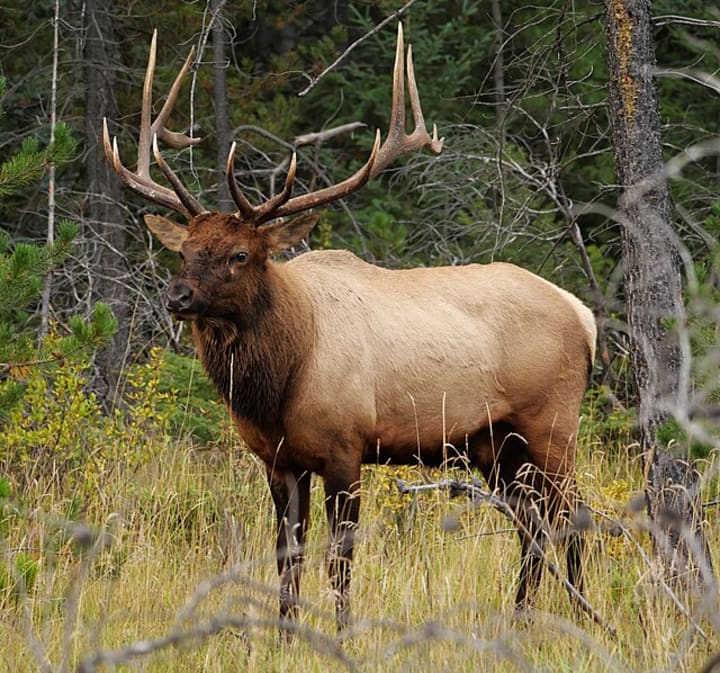
Elk, also known as 'wapiti', get their name from a Native American word meaning "light-colored deer." Though related to deer, elk are much larger than most of their relatives. Male elk, or bulls, can grow antlers that extend up to 4 feet above their heads, making them stand around 9 feet tall when fully grown.
Elk are herbivores, feeding on grasses, plants, and leaves. They usually live in groups called gangs. In the wild, they typically have a lifespan of 8 to 12 years, and they can weigh anywhere between 325 and 1,100 pounds. Standing about 4 to 5 feet tall at the shoulder, they are quite impressive in size.
Bull elk shed their antlers every March but begin regrowing them in May, just in time for the late-summer breeding season. In early summer, elk migrate to higher mountain areas where female elk, or cows, give birth. Each cow usually has one calf, and within 20 minutes of being born, the calf is able to stand and move around.
Elephant
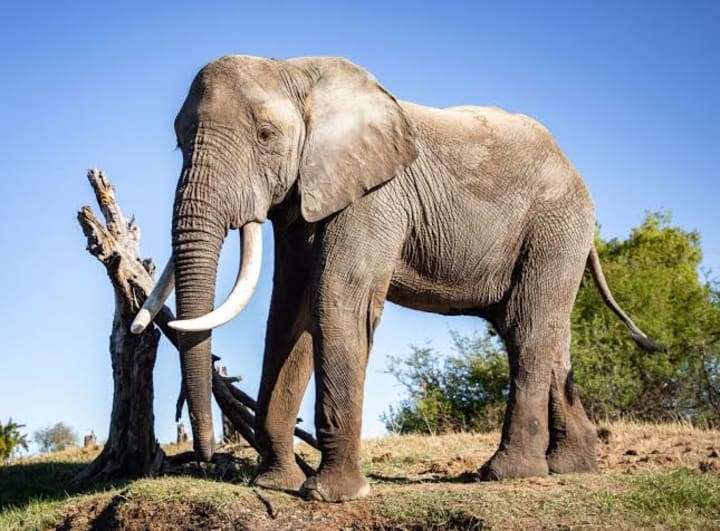
African elephants, scientifically known as 'Loxodonta', are the largest land animals on Earth. They are slightly bigger than their Asian relatives and can be easily identified by their larger ears, which are shaped somewhat like the continent of Africa. In contrast, Asian elephants have smaller, rounder ears.
For a long time, all African elephants were thought to be one species. However, scientists now recognize two separate species: savanna elephants and forest elephants. Savanna elephants, the larger of the two, roam the plains of sub-Saharan Africa, while forest elephants are smaller and live in the dense forests of Central and West Africa. Unfortunately, both species are at risk of extinction, with savanna elephants listed as endangered and forest elephants classified as critically endangered by the International Union for the Conservation of Nature (IUCN).
African elephants are considered keystone species, meaning they play a vital role in maintaining their ecosystem. Often called “ecosystem engineers,” elephants shape their surroundings in several ways. During the dry season, they use their tusks to dig into dry riverbeds, creating watering holes that provide water for other animals. Their dung is packed with seeds, helping spread plant life across their environment, and it also provides a home for dung beetles. In forests, elephants create pathways by feeding on trees and shrubs, allowing smaller animals to move through. On the savanna, they help maintain the landscape by uprooting trees and eating young plants, which creates open spaces where animals like zebras can thrive.
Red Panda
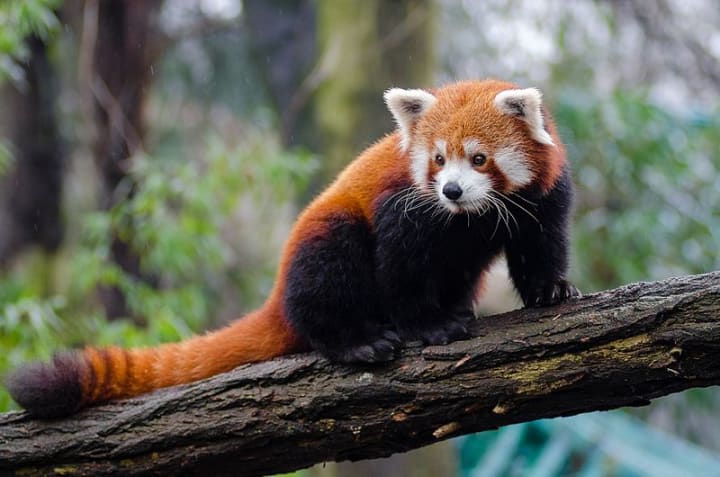
Red pandas, scientifically known as 'Ailurus fulgens', have gained popularity for their cute appearance, but there’s much more to these fascinating creatures than their adorable, kitten-like faces and reddish-brown fur.
Roughly the size of a house cat, red pandas are excellent climbers and acrobats, known for swinging from trees in their forest habitats across Asia. At one point, there was debate over whether red pandas were more closely related to raccoons or bears. However, DNA research eventually showed that they belong to their own unique family, 'Ailuridae', and genus, 'Ailurus'.
Initially, red pandas were thought to be divided into two subspecies: the Himalayan red panda and the Chinese red panda. However, new evidence suggests that these may actually be two separate species. The Chinese red panda is slightly larger and has more pronounced rings on its fluffy tail compared to its Himalayan counterpart.
Despite their small size, red pandas have a lifespan of 8 to 10 years in the wild and weigh between 8 and 17 pounds. As omnivores, they mainly eat bamboo but also enjoy fruits, berries, and even insects, making them well-adapted to their forest homes.
About the Creator
The goals I did not achieve
Every writing goal I made for the year is a wash. It has been this way for a while, but I think it's important to be open about my failures and the reality of how life can get in the way. This is especially true considering the several times I have posted on Vocal about my writing goals, how I was changing my approach, and where I was hoping to be for the upcoming year. I will probably do that again in a couple months, but for now, it is time to acknowledge where I am today.
By Kay Husnick23 days ago in Journal
Driving Innovation by Transforming Traditional Markets
Pioneering change in traditional markets has become a defining challenge for businesses operating in long-established industries. Markets built on decades of routine and familiarity are now facing unprecedented pressure from digital disruption, evolving customer expectations, and global competition. Organizations that once relied on stability alone must now rethink how they operate, communicate, and deliver value. Embracing innovation while respecting tradition is the key to sustainable success in today’s fast-changing economic landscape.
By Devin Doyle of Newport Beach6 days ago in Journal



Comments
There are no comments for this story
Be the first to respond and start the conversation.