
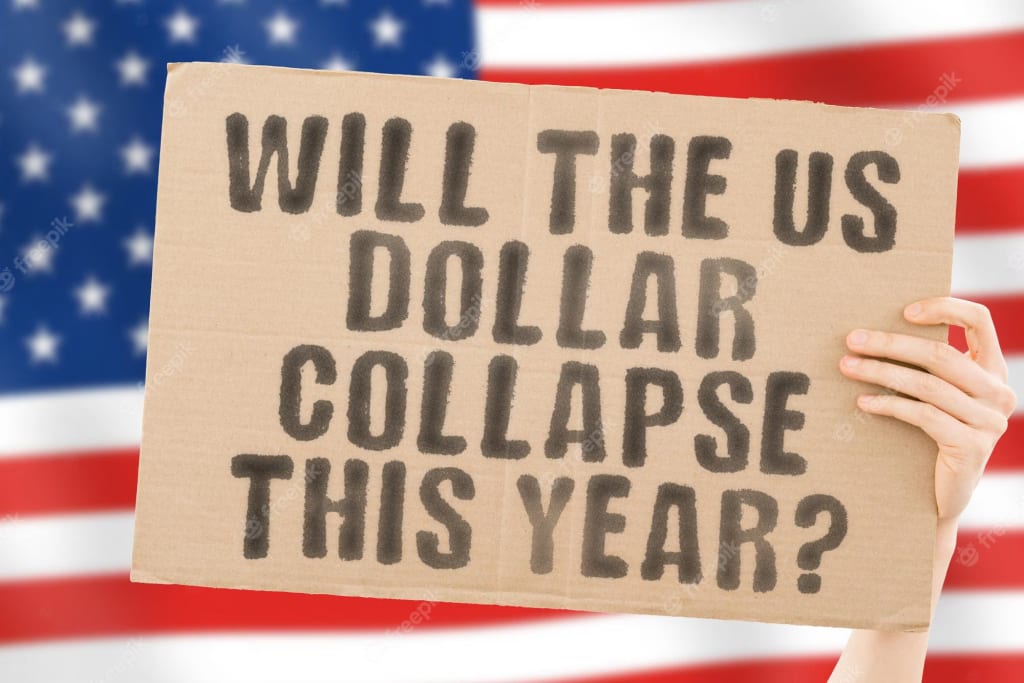
In recent years, there has been growing speculation about the potential for the US dollar to lose its status as the world's dominant reserve currency. Three key factors driving this discussion are the increasing economic power of the
• BRICS countries (Brazil, Russia, India, China, and South Africa) and the shifting dynamics of the global oil markets.
• Shifting the trading currency away from the US dollar. In this article, we will explore each of these factors in more detail and consider what their potential impact could be on the future value of the US dollar.
• India and Russia to trade in their own currencies, rather than using the US dollar as a medium of exchange, has led to some speculation about the potential impact on the global currency markets.
The Rise of the BRICS
Over the past several decades, the BRICS countries have emerged as major players in the global economy. These nations have seen impressive economic growth and development, as well as increasing levels of global trade and investment. In particular, China has emerged as the world's second-largest economy and a major global trading partner for many nations.
As the BRICS nations continue to grow and develop, some analysts believe that their economic power could lead to a shift away from the US dollar as the world's dominant reserve currency. This is because the US dollar has traditionally been seen as a safe-haven asset, with many central banks and other large financial institutions holding significant amounts of US dollars as part of their reserve portfolios. However, as the economic power of other nations grows, it is possible that these institutions could diversify their holdings and reduce their exposure to the US dollar.
Additionally, the growing economic power of the BRICS countries could lead to a shift in global financial flows. As these nations continue to develop and increase their global trade and investment activities, there may be a corresponding decrease in demand for US dollars in certain markets. This could potentially lead to a decrease in the value of the US dollar relative to other currencies.
Shifting Dynamics of the Global Oil Markets
Another factor that could potentially impact the future value of the US dollar is the shifting dynamics of the global oil markets. For many years, the US dollar has been the dominant currency used to trade crude oil. This has been due in part to the fact that many of the world's largest oil producers, including Saudi Arabia and Russia, have traditionally priced their oil exports in US dollars.
However, in recent years, there has been increasing discussion about the potential for other currencies, such as the Chinese yuan, to play a greater role in global oil trading. Some analysts believe that this could lead to a decrease in demand for US dollars in certain oil markets, which could in turn impact the value of the US dollar.
The Potential for Trade in INR
While the US dollar has traditionally been the currency used for trade between India and Russia, there have been recent discussions about the potential for trade to be conducted in Indian rupees (INR) and Russian rubles (RUB) instead. This would mean that both nations would settle their trade payments in their own currencies, rather than relying on the US dollar as a medium of exchange.
Proponents of this approach argue that it would provide several benefits for both India and Russia. For one, it would reduce their reliance on the US dollar, which could provide greater financial stability in the event of a global economic crisis. It would also help to strengthen the economic ties between these two nations and reduce their exposure to currency fluctuations.
Impact on the US Dollar
The potential for India and Russia to trade in INR and RUB has led to some speculation about the impact on the value of the US dollar. Some analysts believe that if more countries begin to trade in their own currencies, rather than relying on the US dollar, this could lead to a decrease in demand for US dollars in certain markets. This, in turn, could potentially lead to a decrease in the value of the US dollar relative to other currencies.
However, it is important to note that any impact on the US dollar would likely be gradual, and it is unlikely that a shift away from the US dollar as a medium of exchange would occur overnight. Additionally, the US dollar remains the world's most widely used and traded currency, and the United States remains a dominant player in the global economy.
Shifting Trading Currency Away from the US Dollar
Finally, there have been discussions about the potential for major global currencies to shift away from the US dollar as the primary trading currency. For many years, the US dollar has been the dominant currency used in global trade and finance, but there is growing interest in the potential for other currencies to play a greater role.
One possible contender for this role is the Chinese yuan, which has been growing in popularity in recent years as China's economic power has increased. However, it is important to note that any shift away from the US dollar as the primary trading currency would likely be a gradual process, and the US dollar is likely to remain a major player in global finance for the foreseeable future.
Conclusion
Overall, while there are certainly factors that could potentially impact the future value of the US dollar, it is important to remember that currency exchange rates are influenced by a wide range of economic and political factors. The US dollar remains the world's most widely used and traded currency, and the United States remains a dominant player in the global economy. While the rise of the BRICS countries and the shifting dynamics of the global oil markets may lead to some shifts in global currency markets, it is difficult to predict the long-term impact on the US
About the Creator
Bring some fruit-filled fun to the party with a hilarious and eye-catching banana outfit
Costumes are meant to spark laughter, start conversations, and make events more memorable. Few outfits accomplish that as effortlessly as a bright, oversized banana costume. Its bold yellow colour and playful shape guarantee instant visibility in any crowd. Whether you are heading to a themed party, Halloween event, fun run, or promotional gathering, this fruity ensemble delivers humour and charm in equal measure.
By Costumes in Australia7 days ago in Journal
Small Changes, Big Results
Personal growth often sounds like a huge, life-altering process. We imagine dramatic transformations, strict routines, or sudden breakthroughs. In reality, meaningful growth rarely happens all at once. More often, it comes from small choices repeated consistently over time.
By Dr. Stephen Swisher 7 days ago in Journal




Comments
There are no comments for this story
Be the first to respond and start the conversation.