
Why Virtual Employees Are the Future of Work
How Remote Talent Transforms Work

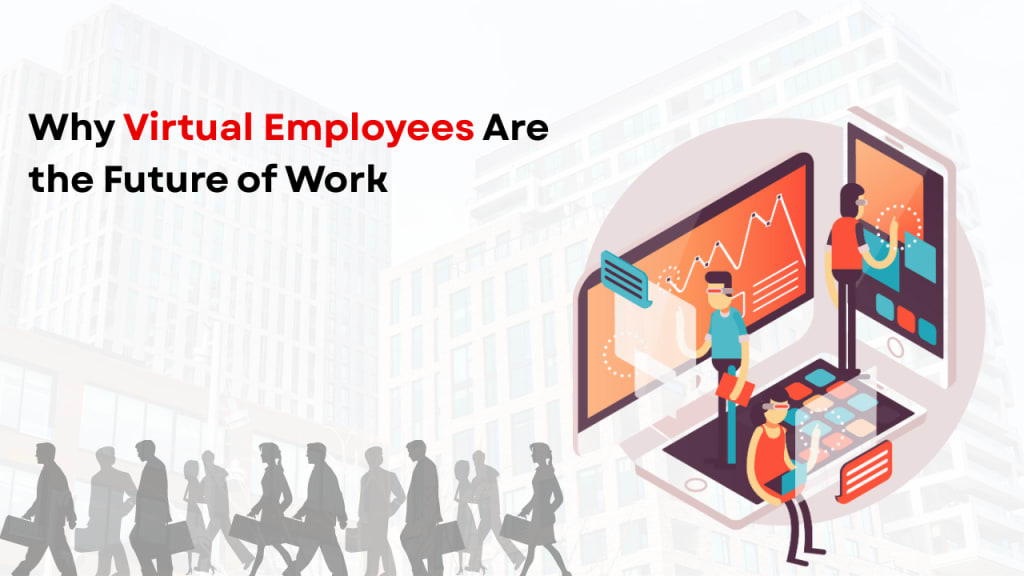
A decade ago, the idea of working with someone you’d never meet in person sounded unusual, maybe even risky. Today, it’s becoming the new normal. The rise of virtual employees isn’t just a passing trend; it’s a reflection of how work itself is evolving. Businesses are rethinking old habits, workers are redefining careers, and technology is erasing the boundaries of geography.
I remember when I first hired a virtual assistant for a small project years ago. At the time, I wasn’t sure what to expect. Would communication be difficult? Could they really understand my goals from thousands of miles away? To my surprise, the experience was seamless. Not only was the work completed faster than I anticipated, but it also came with ideas I hadn’t even considered. That was my first glimpse into the power of this new way of working.
A Changing Workforce Landscape
The traditional office-centered job model is no longer the only option. We live in a world where internet access is almost universal, and collaboration tools make it possible to manage projects across time zones with ease. According to a 2023 Deloitte study, 58% of companies are actively incorporating remote and virtual employees into their workforce plans.
Why? Because businesses have realized they can tap into a much wider talent pool without being limited to their local market. That means a small business in London can hire a social media manager in Manila, or a startup in Austin can work with a developer in Poland.
It’s not just about cutting costs-it’s about gaining access to skills that may not even exist locally.
Why Businesses Are Making the Shift
When companies embrace virtual employees, they unlock benefits that traditional hiring models often can’t provide. Here are a few that stand out:
- Cost savings without compromise
Office rent, equipment, insurance, and employee benefits add up quickly. Virtual employees eliminate much of that overhead while still providing high-quality work.
- Access to global talent
Instead of hiring based on location, businesses can select from the best candidates worldwide.
- Scalability and flexibility
Need extra help for a short-term project? You don’t have to commit to a full-time hire.
- Around-the-clock productivity
Different time zones can actually be an advantage-your business keeps moving even when you’re asleep.
When you look at it from this perspective, it’s clear why so many leaders are embracing the model.
The Human Side of Virtual Work
It’s easy to focus on numbers and logistics, but what really makes virtual employees so powerful is the human impact. For many professionals, this work arrangement is life-changing.
A single parent in India can work flexible hours while caring for their child. A graphic designer in Kenya can build an international portfolio without ever leaving their hometown. A skilled accountant in Brazil can earn more than they would locally while contributing to a company halfway across the world.
For businesses, that means working with motivated individuals who truly value the opportunity. And let’s be honest-when someone feels empowered and appreciated, they naturally put more heart into their work.
The Challenges Nobody Talks About
Of course, like any major shift, working with virtual employees isn’t without its challenges. I’ve personally hit a few bumps along the way.
- Communication gaps: Misunderstandings happen, especially when language and cultural differences come into play. Clear documentation and regular check-ins are key.
- Time zone differences: Waiting half a day for a reply can feel frustrating, but with proper scheduling, those differences can become an advantage rather than a drawback.
- Trust and accountability: Not being in the same office means you have to rely on systems-like task management tools to keep everyone on track.
The good news? These challenges are solvable. And once you learn to navigate them, the rewards far outweigh the difficulties.
A Personal Reflection
When I think back to the first project I ever outsourced, I remember feeling nervous about letting go of control. I’d always been used to doing everything myself-answering emails, drafting proposals, designing presentations. Handing those tasks to someone else felt uncomfortable at first.
But here’s the truth: the more I trusted the process, the more time I gained back to focus on things that really mattered, like building relationships with clients and strategizing for growth. That’s when it clicked for me. Virtual employees aren’t just about saving money-they’re about reclaiming your most precious resource: time.
What This Means for the Future
If you look ahead just a few years, it’s clear that this shift will only accelerate. Companies will continue to reduce office footprints, employees will demand more flexible work arrangements, and global collaboration will become the standard rather than the exception.
Think about it: in a world where businesses are constantly chasing innovation, why would anyone limit themselves to the talent within a 20-mile radius? It simply doesn’t make sense anymore.
Key Takeaways to Consider
Virtual employees are not a temporary fix; they’re part of a larger transformation in how work is structured.
The benefits-cost savings, global talent, and productivity-are too significant to ignore.
The challenges, while real, are manageable with the right tools and mindset.
Most importantly, the human side of virtual work brings opportunities to people around the globe who may have otherwise been overlooked.
A Closing Thought
The workplace has always evolved-factories replaced farms, offices replaced factories, and now virtual employees are reshaping offices. It’s not about replacing people; it’s about expanding possibilities.
I’ve experienced the difference myself, and I can honestly say that my business-and my own peace of mind-have grown because of it. The future of work isn’t confined to an office building or a city. It’s global, flexible, and deeply human.
So, whether you’re a business owner drowning in tasks or a leader looking to scale wisely, the next step is clear: it might be time to hire a virtual employee.
Read Our Recent Article - What Industries Use Virtual Employees the Most?
About the Creator
Anjelina Jones
Anjelina is passionate about writing and has authored numerous articles covering topics such as entrepreneurship.
Keep reading
More stories from Anjelina Jones and writers in Journal and other communities.
What Industries Use Virtual Employees the Most?
Not too long ago, I found myself working late at night, emailing with a colleague who was thousands of miles away. We’d never met in person, yet our collaboration felt seamless. It struck me then, workplaces aren’t bound by walls anymore. The rise of virtual employees is proof that businesses everywhere are reimagining what it means to “go to work.”
By Anjelina Jones5 months ago in Journal
Smart phones, Humans and Aliens.
WARNING. I will be tapping into one of your favorite creative tensions: The absurdity of humans worshipping their glowing rectangles as if they were tiny oracles. There’s something deliciously poetic about that contradiction, and it lends itself beautifully to an instructive proviso.
By Novel Allen5 days ago in Poets


Comments
There are no comments for this story
Be the first to respond and start the conversation.