
Why Trump Is Poised to Keep a 25% Tariff on UK Steel: What the Port Talbot Dispute Means for Britain
Trump tariff UK steel, port Talbot dispute, Tata Steel electric arc furnace UK-US trade deal, steel tariffs July 2025
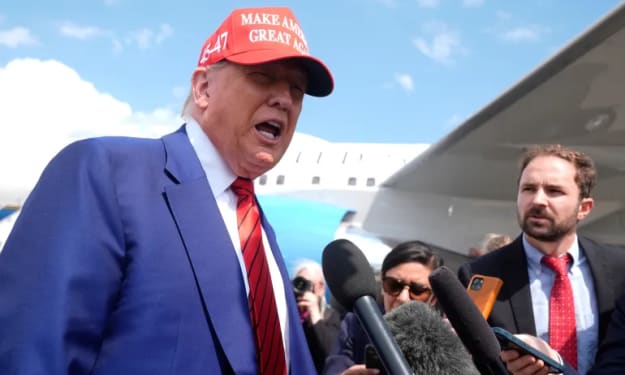
In a dramatic turn at the G7 summit in Canada, former U.S. President Donald Trump has emphasized his intention to maintain a 25% tariff on UK steel imports, unless the UK provides clear assurances on the future of Tata Steel's Port Talbot plant in Wales. This pledge raises concerns across Britain's steel heartland, particularly as negotiations continue around a broader UK US trade deal—including automotive, aerospace, pharmaceutical, and agricultural sectors.
In this post, we explore:
1. The essence of Trump's tariff stance
2. Why Port Talbot is pivotal
3. How this fits into the broader UK US trade relationship
4. The stakes for UK steel workers and industry
5. What's next—and what it means for consumers
📌 1. What Trump Is Demanding—and Why
On June 17, Trump stated that while he had agreed to cut tariffs on British cars (from 27.5% to 10% for up to 100,000 vehicles) and aerospace components, steel and aluminium access remained unresolved. Specifically, he’s demanding tangible guarantees on the Port Talbot plant’s shift from traditional blast furnaces to a new, cleaner electric arc furnace (EAF)—due to open in 2027 (theguardian.com).
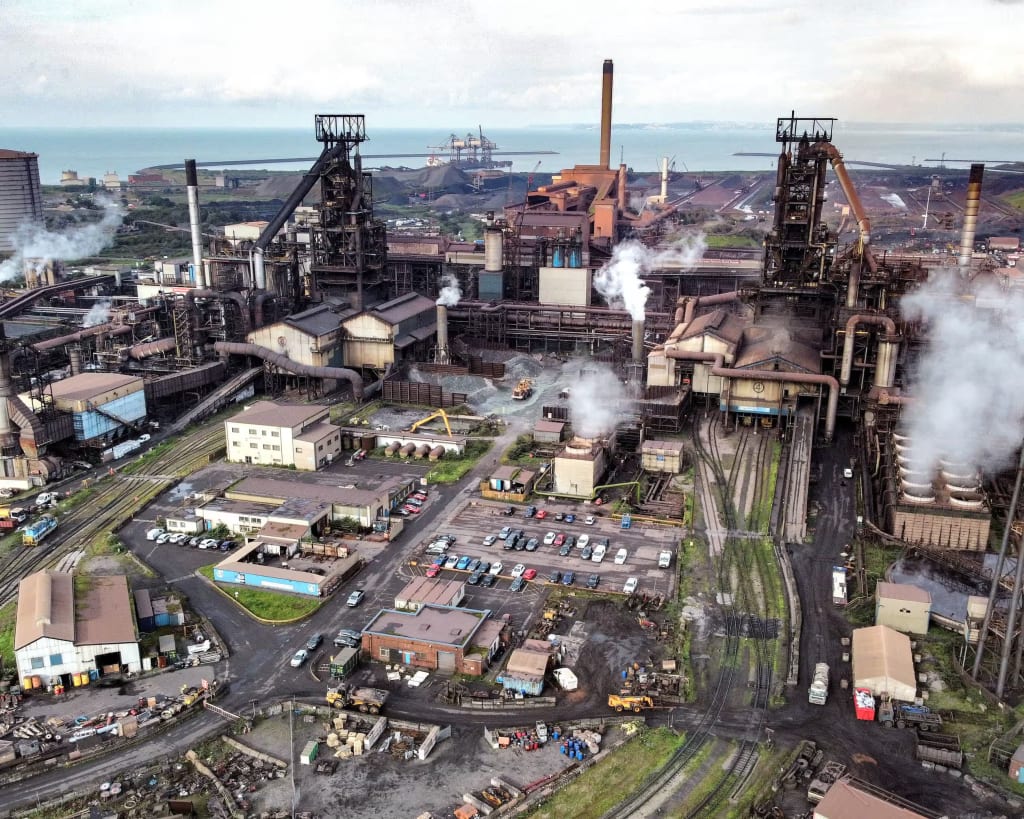
The heart of the issue lies in U.S. "melted and poured" rules, which require steel to be fully processed in its country of origin. Since Tata has shut down Port Talbot's blast furnaces and now uses materials from its facilities in India and the Netherlands, this raises doubts about U.S. compliance (theguardian.com).
🌍 2. Port Talbot: Why It Matters
📍 Port Talbot, a seaport town in South Wales, is home to Tata Steel’s flagship plant. In 2024, it closed its blast furnaces as part of a three year investment plan, before transitioning to EAF technology by 2027. The move toward greener steel makes it a flagship of the UK’s green industrial strategy.
However, the interim reliance on imported semi finished steel has put its export position at risk. The EAF isn't enough to meet U.S. origin rules—unless clear proof of the timeline and sourcing transparency is provided.
Analysts warn this period of uncertainty is already hitting British steel, with lost orders and hesitant investment (ft.com).
🔄 3. How This Fits into the UK US Trade Deal
Earlier in May, Prime Minister Sir Keir Starmer and Trump signed a deal that set out:
• ⚙️ A 10% tariff on up to 100,000 UK built cars (down from 27.5%)
• 🚁 A zero tariff deal on aerospace components
• 🍖 Trade concessions on U.S. beef and ethanol imports
Yet, steel and aluminium remained excluded—deferred to “technical and legal considerations” around traceability and origin (thetimes.co.uk, apnews.com).
Trump recently doubled global metals tariffs to 50%, but the UK was spared—though it is still subject to a 25% tariff pending finalisation of the steel agreement (ft.com).
The UK government plans to send negotiator Varun Chandra to Washington in early July to clinch a deal on steel, aluminium—and even pharmaceuticals (ft.com).
📉 4. The Stakes for UK Steel and Workers
British Steel and Tata Steel, the country’s biggest metallurgists, have warned that the current 25% tariff is damaging UK US steel trade. With hefty duties, U.S. customers have pulled orders or turned to domestic producers or other markets .
Union leaders, like Community union's Alasdair McDiarmid, have called it “absolutely vital” to secure full, zero tariff access quickly to protect jobs in Port Talbot and elsewhere (theguardian.com).
There’s also concern about “dumping”—cheap Chinese steel redirected into Europe due to the high U.S. tariffs .
✅ 5. What’s Next—and What It Means
Here’s the roadmap:
Step What Needs to Happen Potential Impact
G7 Talks UK sends delegation to the U.S. Secure commitments on Port Talbot plans
Quota Agreement Determine tariff free quotas for UK steel/aluminium via U.S. commerce dept Provides breathing room for UK producers
Traceability & Origin Plan UK to prove material sourcing—no China, full chain visibility Avoid disqualification under “melted and poured” rule
Final Signature Executive Order to seal zero tariff access American steelmakers see competition; consumer prices may fall in the UK
—If successful, the deal could bring zero tariffs on UK steel. But if the UK can't prove compliance, tariffs may revert to 50% by July 9, 2025 (ft.com, thetimes.co.uk, ft.com, en.wikipedia.org).
6. Why This Matters to You
1. Jobs & Local Economy: Successful resolution protects thousands of steel jobs in South Wales and beyond.
2. Green Energy Transition: Port Talbot’s shift to EAFs is central to the UK's net zero goals. Trade security supports that investment.
3. Cost of Living: Tariff resolution could lower prices for consumer goods tied to steel—like cars, white goods, and construction.
4. Global Trade Implications: The UK US agreement sets a precedent for other British exporters and influences future trade talks with the EU and Asia.
🧭 7. Timing—and What to Watch
• Early July: UK team in Washington to negotiate tariffs on steel, aluminium, and possibly pharmaceuticals (theguardian.com).
• July 9 Deadline: UK must meet deal terms or face tariff hikes to 50% (ft.com).
• Traceability Framework: UK needs to prove sourcing paths, ensure Port Talbot project stays on track.
• Quotas Set by Commerce: U.S. Commerce Secretary Lutnick to define exact limits under executive order (reuters.com).
📝 Final Thoughts
The ongoing Port Talbot dispute blends economic strategy, green industrial policy, and complex trade law. With global metals tariffs a key lever in Trump’s protectionist toolkit, the UK's steel future is on the line.
If the UK can demonstrate Port Talbot’s green pivot and traceable origin of steel materials, and clinch a zero tariff carve out from the U.S., it would mark a major win for British industry and diplomacy.
But if talks falter, resulting tariffs of 25% (or worse, 50%) could threaten the viability of Port Talbot and similar plants—and ripple across the UK economy.
Keep an eye on July’s negotiations: the outcome will reverberate far beyond the blast furnaces of South Wales.
About the Creator
Author’s Advice
If you would’ve asked me 20 years ago did I know I’d become a writer and an author, I would’ve said “nope, ain’t happening”. As fate would have it I did become an author and I can honestly say I’m loving it so far. It really does feel good to be a writer. I’ve learned a lot on this journey and I feel like with even me being as new to this world as I am, there’s some wisdom I need to share with every other aspiring author.
By Joe Patterson5 days ago in Journal



Comments
There are no comments for this story
Be the first to respond and start the conversation.