
Why Sport Rehabilitation Isn’t Just for Athletes: The Untold Benefits for Everyday Active Aussies
You don’t need a jersey to benefit from sport rehabilitation—just a desire to move better, live stronger, and feel good.
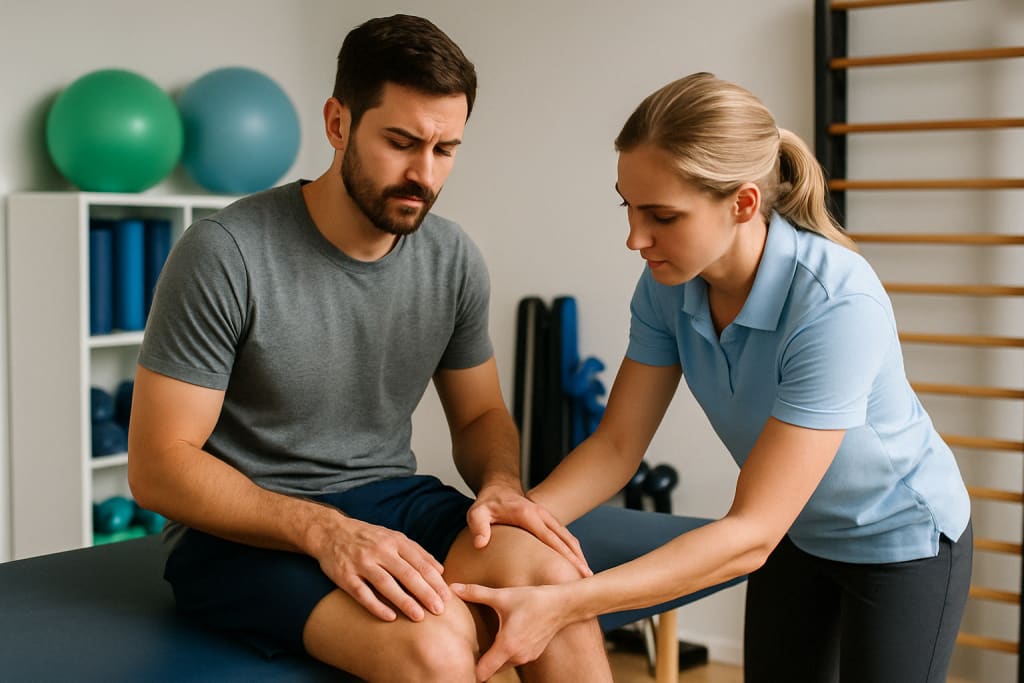
Whether you hit the gym three times a week, join the local footy team on weekends, or simply enjoy long walks with your dog—your body goes through wear and tear. But when people hear “Sport Rehabilitation,” many immediately think of elite athletes coming off the field with career-threatening injuries. In reality, sport rehab is a game-changer for everyday Aussies too.
Rethinking What Sport Rehabilitation Really Means
At its core, sport rehabilitation is all about helping individuals recover from physical injuries and regain their strength, flexibility, and confidence to move freely again. It combines evidence-based therapies—such as manual therapy, strength conditioning, and functional training—to support recovery, reduce pain, and prevent future injuries.
It's not about being on a professional team or winning trophies. It’s about helping real people restore their quality of life.
Check out how one writer tackled a personal recovery journey in “Rebuilding Myself: Recovering from a Workout-Related Injury”—a relatable and moving story that highlights how accessible support makes all the difference.
Who Really Needs Sport Rehabilitation?
The answer? More people than you'd think.
Let’s look at a few common scenarios:
- A 45-year-old accountant experiences recurring lower back pain after long hours at a desk.
- A weekend netball player rolls their ankle during a casual game.
- A mum returning to fitness after pregnancy struggles with joint discomfort during strength training.
- A tradie develops shoulder impingement from repetitive overhead lifting.
These aren’t elite athletes. They’re everyday people trying to stay active. And when pain, stiffness or injury interrupts your lifestyle, sport rehabilitation becomes an essential part of getting back on track.
Benefits Beyond Injury Recovery
The most obvious benefit of sport rehab is physical recovery—but it doesn’t stop there. A well-structured rehabilitation program may also:
- Improve posture and body mechanics
Poor movement patterns often lead to chronic pain. Rehabilitation helps retrain your body to move safely and efficiently.
- Reduce the risk of future injury
By strengthening muscles and addressing imbalances, you build a more resilient body.
- Enhance performance and mobility
Even if you’re not chasing athletic goals, better movement translates to better living.
- Support mental health
Dealing with physical limitations can impact confidence and motivation. Active rehabilitation provides structure, progress tracking, and a sense of control—all of which support mental wellbeing.
This dual benefit is explored well in “The Mental Game of Healing”, which discusses the psychological journey of recovering from physical setbacks.
It’s Not Weak to Seek Help
One of the most persistent barriers to sport rehabilitation is mindset. Many Aussies adopt a “she’ll be right” attitude, trying to push through pain or delay treatment. But pain is your body’s way of telling you something’s off. Ignoring it may lead to chronic conditions that are harder to treat later on.
Early intervention can:
- Decrease recovery time
- Minimise compensatory habits (like limping or overusing the opposite limb)
- Prevent secondary injuries
So whether you’ve had a recent strain, or you’ve just been feeling “not quite right,” seeking support early could save months of frustration later.
Why Localised, Tailored Care Makes a Difference
In Australia, we pride ourselves on our active outdoor lifestyle—surfing, hiking, cycling, and recreational sports are part of the norm. But these activities come with their own injury risks that generic rehab programs often overlook.
Localised care, especially from professionals who understand the demands of Aussie lifestyles, can make a big difference in your recovery outcomes.
This is where tailored programs like Sport Rehabilitation with Delta Sports Therapy step in. Their approach is not just about treating symptoms—it’s about treating people. Whether you’re returning to sport, work, or daily life, their team works with you to develop a plan that meets your goals and pace, using clinical expertise and real-world understanding.
How Do You Know If You May Benefit?
If you're unsure whether sport rehab is right for you, ask yourself:
- Do I feel stiffness, pain, or weakness that lingers after activity?
- Have I had an injury that hasn’t fully resolved?
- Do I avoid certain movements because of discomfort or fear of reinjury?
- Is my performance or confidence declining?
If you answered yes to any of the above, it may be worth speaking to a professional.
Moving Forward with Confidence
You don’t have to live with pain. You don’t have to stop doing the things you love. And you definitely don’t need to be a pro athlete to benefit from sport rehabilitation. Whether you’re looking to recover, prevent future setbacks, or simply move better, investing in your physical health is one of the best decisions you can make.
As stories on Vocal Media show time and again, progress often starts with small, intentional steps. So take yours today—with a little support, movement may feel effortless again.
About the Creator
Keep reading
More stories from Rochelle Martinez and writers in Journal and other communities.
Why ‘Modification Plates Bundaberg’ Matter: True Stories Behind Queensland’s Vehicle Compliance Rules
Ask any car enthusiast or rural Queensland local, and they'll tell you: there's nothing quite like modifying your vehicle to suit your lifestyle. Whether it’s lifting your ute, converting a van into a mobile home, or customising a trailer for work, Australians have long had a love affair with vehicles that are built for more than just commuting.
By Rochelle Martinez11 months ago in Journal
Author’s Advice
If you would’ve asked me 20 years ago did I know I’d become a writer and an author, I would’ve said “nope, ain’t happening”. As fate would have it I did become an author and I can honestly say I’m loving it so far. It really does feel good to be a writer. I’ve learned a lot on this journey and I feel like with even me being as new to this world as I am, there’s some wisdom I need to share with every other aspiring author.
By Joe Patterson5 days ago in Journal
The War for Attention Is Exhausting — and Artists Are Feeling It
In the modern creative world, attention has become the most valuable currency. Every platform, every algorithm, and every scrolling feed competes for it. For artists, writers, musicians, and creators, the result often feels less like a creative renaissance and more like a battlefield. Instead of simply making meaningful work, many creators feel trapped in what can only be described as a war for attention.
By Navigating the Worlda day ago in Journal
A Transparent Look at Vocal Challenges and Top Stories
Almost three years ago, we shared a resource article that served as a place for people to suggest new challenge prompts. We thought it would be a good idea to refresh that thread, and take the opportunity to answer a few common questions about top stories, how challenges are judged and how submissions are reviewed.
By Vocal Curation Team4 days ago in Resources




Comments
There are no comments for this story
Be the first to respond and start the conversation.