
Why Soil Conditions Are Critical for Crawl Space Maintenance
Keep your home safe with expert crawl space repair services, tackling soil issues and preventing structural damage.

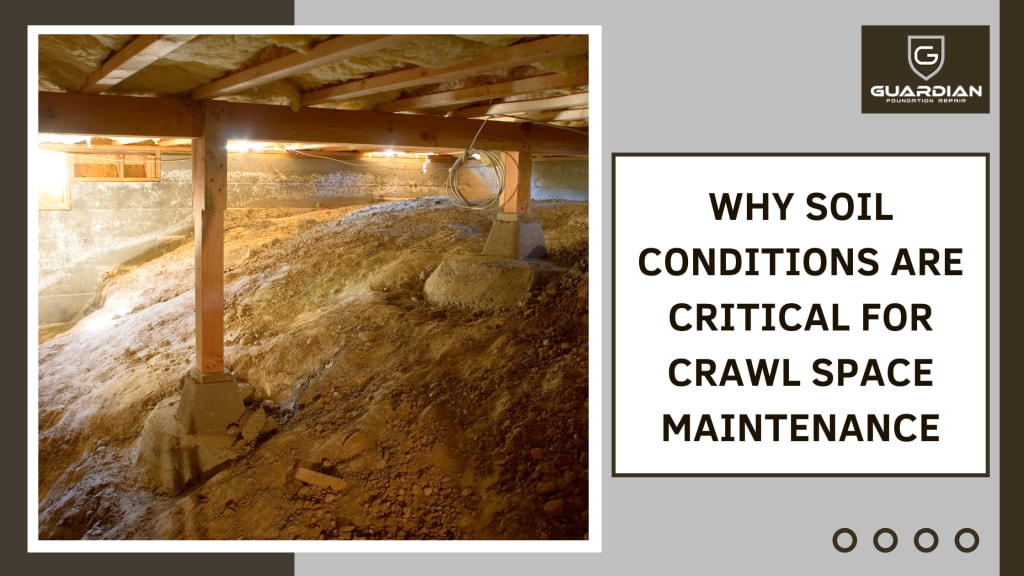
A crawl space is an essential part of your home, providing ventilation, housing utility systems, and supporting insulation.
However, its effectiveness depends on the soil conditions beneath it. Poor soil conditions can lead to problems you don't want to face. These issues not only threaten your home’s structure but also affect energy efficiency and indoor air quality.
Regular crawl space repair and maintenance is vital to address these challenges. By identifying and managing soil-related issues, you can prevent costly repairs and protect your home’s foundation.
In this blog, we will see why soil conditions matter and how they influence your crawl space.
How Different Soil Affects Crawl Space Health
The soil beneath your home plays a crucial role in determining the health of your crawl space. Each type of soil has unique characteristics that impact its ability to retain moisture, drain water, and support your home’s foundation:
Clay Soil:
Known for its high moisture retention, clay soil expands when wet and contracts as it dries. This continuous movement can exert pressure on your foundation, leading to cracks, structural stress, and potential water intrusion.
Sandy Soil:
While sandy soil is excellent for drainage, it is prone to erosion. Over time, water runoff can wash away this soil, causing uneven settling of the foundation and creating gaps for moisture to enter the crawl space.
Silty Soil:
Silty soil holds water more effectively than sandy soil but lacks good drainage properties. This can lead to prolonged periods of dampness in the crawl space, fostering mold growth and wood rot.
Loamy Soil:
A mix of sand, silt, and clay, loamy soil is considered ideal due to its balanced moisture retention and drainage capabilities. However, improper grading or excessive water exposure can still lead to crawl space issues even in loamy soil.
Peaty Soil:
This soil type, rich in organic matter, retains significant moisture and is spongy in texture. Its high water content increases the risk of mold, mildew, and wood rot in crawl spaces. Additionally, peaty soil can shrink during dry periods, leading to foundation settling.
Gravelly Rocky Soil:
Composed of larger particles like gravel and rocks, this soil drains water quickly and minimizes standing water risks. However, its loose composition can create an unstable base for foundations, causing shifting or settling over time.
Key Soil Issues That Threaten Crawl Space Stability
Excessive Moisture in Soil
Excessive moisture in the soil surrounding your crawl space can lead to a host of problems. High moisture levels create an ideal environment for mold and mildew, which can compromise indoor air quality and pose health risks. Additionally, moisture can cause wood rot, weakening the structural components of your home.
Soil Erosion on Foundations
Soil erosion can undermine the stability of your home's foundation. When water runoff washes away the soil supporting your crawl space, it can lead to uneven settling and structural damage which will eventually need a foundation repair.
Signs of foundation issues include cracks in walls, misaligned doors, and uneven floors. Regular inspections and maintaining proper grading around your home can help prevent soil erosion and its detrimental effects on your foundation.
Soil pH and Its Effects on Crawl Space Materials
The pH level of the soil beneath your home can affect the materials used in your crawl space. Acidic soils can corrode metal components, while alkaline soils may deteriorate concrete over time.
Testing the soil's pH and taking corrective measures, such as using appropriate coatings or materials resistant to pH-related degradation, can extend the lifespan of your crawl space infrastructure.
Poor Drainage and Standing Water Issues
Inadequate drainage can lead to standing water in your crawl space, increasing humidity levels and promoting mold growth. Standing water can also attract pests and contribute to wood rot, compromising the structural integrity of your home.
Ensuring proper drainage by having a french drain installation or sump pumps is essential to keep your crawl space dry and healthy.
The Connection Between Soil and Insulation
Soil conditions directly influence the effectiveness of your crawl space insulation. Damp or wet soil can cause insulation materials to lose their efficiency, leading to higher energy costs and reduced indoor comfort.
Maintaining optimal soil conditions helps preserve the integrity of your insulation, contributing to better energy efficiency in your home.
Preventative Measures for Crawl Space Maintenance
Vapor Barriers and Soil Control
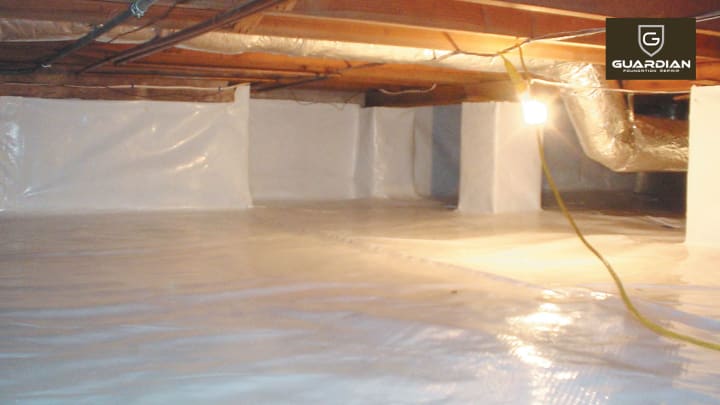
Installing a vapor barrier is an effective method to control moisture levels in your crawl space. A vapor barrier acts as a shield between the soil and your crawl space, preventing moisture from seeping in and reducing the risk of mold growth and wood deterioration.
Combined with proper ventilation, vapor barriers contribute significantly to maintaining a dry and healthy crawl space environment.
Professional Crawl Space Encapsulation
In areas with challenging soil conditions, crawl space encapsulation offers a comprehensive solution. This process involves sealing the crawl space entirely to create a controlled environment, effectively managing moisture and improving air quality.
Professional encapsulation services can assess your specific needs and provide tailored solutions to ensure long-term protection of your home health and stability.
Manage Humidity Levels
Excess moisture can cause multiple issues, so installing a dehumidifier or vapor barriers in the crawl space can help control humidity and prevent mold and mildew.
Soil Stabilization Techniques
For unstable or shifting soil, soil stabilization techniques can be used to prevent erosion and foundation settling. These methods include the addition of stabilizing agents that improve soil strength and prevent movement.
Routine Inspections Are Key
Regular inspections of your crawl space from a reputable crawl space repair company are essential to identify and address potential issues early. Environmental factors such as heavy rainfall, drought, or landscaping changes can alter soil behavior over time.
Routine inspections help clean your crawl space and detect signs of moisture intrusion, pest infestations, or structural concerns, allowing for timely interventions and preventing costly repairs.
Improve Drainage Around the Foundation
Installing proper drainage systems, such as French drains or gutters, ensures that water is diverted away from the foundation, reducing the risk of soil erosion and water intrusion.
Call Your Nearest Crawl Space Repairs Experts Today
Soil conditions are crucial for maintaining a healthy crawl space and preventing costly damage. Regular inspections and addressing issues like poor drainage or excessive moisture can save you from expensive repairs.
If you’re noticing crawl space problems, it’s time to act. Contact crawl space service experts in Knoxville today for waterproofing solutions like vapor barriers, drainage systems, encapsulation, and foundation repair. Don’t wait—ensure your home’s stability and comfort today!
About the Creator
Guardian Foundation Repair
Best foundation repair service provider in Knoxville, TN - Guardian Foundation Repair. We provide services like foundation repair, basement repair, crawl space, and water management. For more details contact us at our website.
Keep reading
More stories from Guardian Foundation Repair and writers in Journal and other communities.
Nathan Haslick and the Practice of Intelligent, Responsible Data Science
Navigating a Digital World Shaped by Data Organizations today operate in a digital landscape where information moves faster than ever before. Data is generated through customer activity, internal operations, digital platforms, and global events, often arriving in volumes that are difficult to manage. The challenge is no longer access to information, but the ability to interpret it clearly and apply it in ways that support better outcomes. This responsibility falls to data scientists who can bring structure, insight, and judgment to complex datasets.
By Nathan Haslick7 days ago in Journal
The Blue Ridge Stalker
Tom had left the Ford down the way, its spark plugs finally exhausted and no mechanics for a dozen miles back through the foothills to Strossburg. No matter, he had worn his boots—almost as if he planned for this to happen. The puzzle he sought to solve emanated from the woods clinging to the slopes above; the valley behind held no mysteries.
By Stephen A. Roddewig6 days ago in Fiction




Comments
There are no comments for this story
Be the first to respond and start the conversation.