
Why Smart Packaging Matters for Businesses: A Guide to Better Protection, Branding & Customer Experience
How better packaging improves protection, strengthens branding, and creates a memorable customer experience for any business.

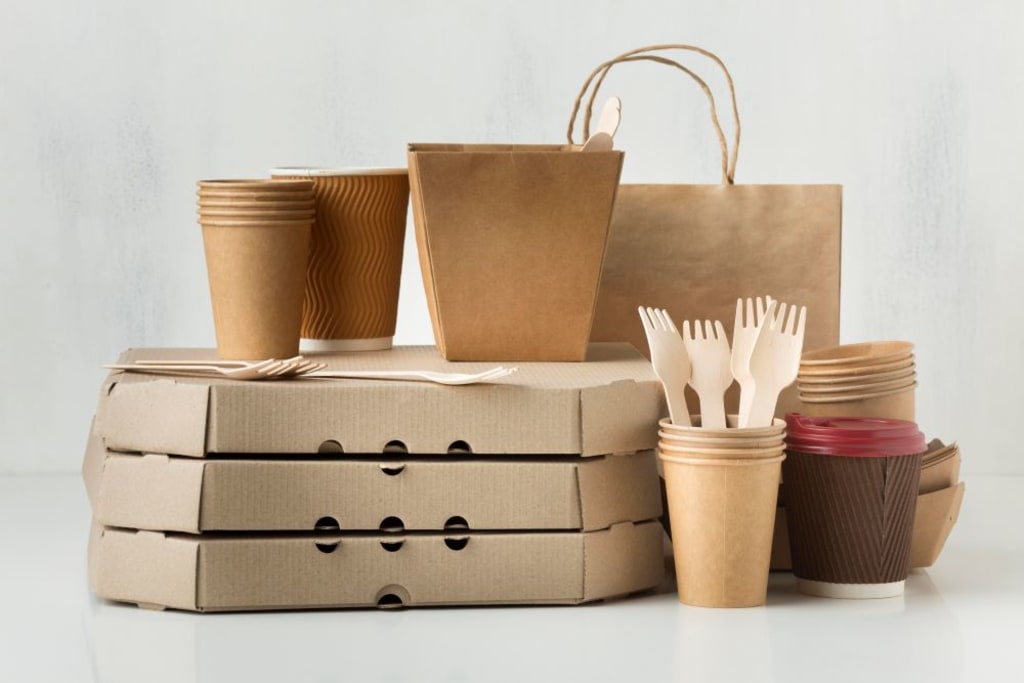
In today’s competitive business world, packaging is no longer just something that covers or protects your product. It has become a core part of branding, customer experience, sustainability, and even logistics. Whether you run an online store, a small bakery, a cosmetics brand, or a retail shop, the way you package your products shapes how customers view your business. Good packaging can improve trust, reduce product damage, and enhance overall customer satisfaction. This guide explains why packaging matters, what mistakes businesses commonly make, and how you can choose the right packaging for your products—without overspending.
Why Packaging Is More Important Than Ever
1. First Impressions Count
Before customers see your product, they see your packaging. A neat, well-designed box or bag instantly makes your business look more professional. Clean design, simple branding, and a thoughtful unboxing experience can turn a one-time buyer into a repeat customer.
2. Protection Saves Money
Damaged products lead to returns, refunds, and frustrated customers. Many small businesses unknowingly use boxes or bags that are either too large or too thin for their products. This leads to extra filler material, insecure packaging, and increased shipping issues. Choosing the right structure and material reduces damage and saves long-term costs.
3. Branding Builds Identity
Your packaging is like a silent salesperson. Colors, textures, printing style, and layout all communicate your brand identity. Even minimal branding—such as a simple logo—helps your business stand out. Many companies use inserts, thank-you cards, or custom labels to make the unboxing experience feel personal and memorable.
4. Sustainability Is Expected
Customers today care about eco-friendly packaging. They want recyclable, biodegradable, or minimal packaging because it reduces environmental waste. Kraft paper, recycled cardboard, and compostable materials are now becoming popular choices for modern brands that value sustainability.
Common Packaging Mistakes Businesses Make
Even great products suffer when packaging isn’t planned well. Here are the most common mistakes:
Using oversized boxes
Choosing weak or cheap materials
No branding or poor presentation
Too many filler materials
Ignoring sustainability options
Using one packaging style for every product
These mistakes don’t just affect costs—they affect customer trust.
How to Choose the Right Packaging for Your Product
1. Always Start With the Product
A fragile item needs sturdy packaging, while clothing or accessories may need something lighter. Consider the product’s size, weight, fragility, and shipping distance before choosing packaging.
2. Reduce Extra Space
Well-fitted packaging reduces material waste, improves safety, and lowers shipping costs. A box or bag that fits properly looks more professional and reduces the chance of product movement during transit.
3. Choose the Right Material
Plastic, kraft, cardboard, rigid stock, corrugated board—every material has its purpose. For example, businesses dealing with dry goods or long-shelf-life products often choose custom printed mylar bags because they protect items from moisture, oxygen, and UV light while offering branding options.
4. Focus on Branding, Not Complexity
Branding doesn’t have to be expensive. Even simple touches like minimal printing, a small logo, or a thank-you insert elevate your customer experience.
5. Think About Eco-Friendly Alternatives
Eco-friendly choices don’t just help the environment—they make your brand more attractive to conscious buyers. Many customers now prefer brands that use recyclable or compostable materials.
6. Optimize for Shipping
If your business ships nationwide or internationally, your packaging must survive handling, stacking, and transportation. Stronger corrugated boxes or protective inserts may be necessary for breakable items.
Who Benefits Most from Better Packaging?
E-commerce stores
Cosmetics and skincare brands
Small bakeries
Apparel and accessory shops
Health and wellness brands
Electronics sellers
Handmade and craft businesses
Better packaging boosts product safety, lowers returns, and helps build stronger brand loyalty.
Final Thoughts
Smart packaging is not an extra cost—it’s a long-term investment. It protects your products, strengthens your brand identity, and enhances customer experience. By choosing the right materials, reducing waste, and adding thoughtful design elements, any business can upgrade the way customers see and trust their brand. Whether you run a small business or a growing brand, your packaging speaks before your product does. Make sure it speaks well.
About the Creator
Jack Root
Jack Root delivers innovative IT & software solutions — from web & app development to ERP & SAP training — empowering businesses to grow.
Author’s Advice
If you would’ve asked me 20 years ago did I know I’d become a writer and an author, I would’ve said “nope, ain’t happening”. As fate would have it I did become an author and I can honestly say I’m loving it so far. It really does feel good to be a writer. I’ve learned a lot on this journey and I feel like with even me being as new to this world as I am, there’s some wisdom I need to share with every other aspiring author.
By Joe Patterson4 days ago in Journal
Why Community Outreach Is Essential for Modern Business Growth
In an era where brands compete not just for sales but for attention, trust, and loyalty, traditional marketing alone no longer moves the needle. Today’s consumers — especially in culturally rich and diverse markets — look beyond products and services. They seek connection, meaning, and impact. In that context, community outreach has emerged as a powerful force in how businesses build lasting relationships and real influence.
By Branding Aloha3 days ago in Journal
The First Rainbow Baby
Pitter-patter, pitter-patter. The rain fell in rhythmic splatters, slowly slowing, but still constant. Mira rolled onto her side pulling the blanket tight against her ears, but still she could hear chitter-chatter and scurrying feet of the creatures that refused to sleep in the lower decks.
By A. J. Schoenfeld2 days ago in Fiction




Comments
There are no comments for this story
Be the first to respond and start the conversation.