
Why Security Screws Matter: The Ultimate Guide to Tamper-Proof Fastening Solutions
Introduction to Security Screws

Security screws, also known as tamper-proof or tamper-resistant screws, are a special category of fasteners designed to prevent unauthorized access or tampering. Unlike standard screws that can be removed using common tools, security screws require specialized drivers or tools, making them a reliable choice in situations where safety, protection, and durability are paramount. From public infrastructure to high-end electronics, security screws are an indispensable part of modern fastening systems.
In today’s fast-paced and security-conscious world, these small components play a surprisingly large role. They not only deter theft and vandalism but also protect sensitive installations, reduce maintenance, and contribute to the longevity and integrity of valuable assets. This guide dives into the types, applications, benefits, and key considerations when choosing security screws for industrial and commercial needs.
What Makes a Screw "Secure"?
The term security screw refers to any fastener engineered to be difficult or impossible to remove without a matching tool. This includes screws with unique head designs that are not compatible with standard screwdrivers, one-way mechanisms that tighten but do not loosen easily, or materials and coatings that resist tampering attempts like drilling or cutting.
Some of the most common tamper-resistant screw heads include:
Pin-in Torx: A six-lobed design with a central pin that blocks standard Torx drivers.
One-Way Slotted: These can be tightened like normal screws but cannot be unscrewed with regular tools.
Tri-Wing and Spanner: Used mainly in electronics or public infrastructure for their obscure designs.
Hex-Pin and Torq-Set: Typically used in aerospace, automotive, or industrial environments.
The design of these screws ensures that only those with the proper tools and intent can access the secured component.
Types of Security Screws and Their Unique Features
Security screws come in various types to serve different industries, installation environments, and security levels. Each type has distinct characteristics:
1. One-Way Screws
These are commonly used in signage, license plates, and restroom fixtures. They are designed to be installed with a regular flathead screwdriver, but once in place, they cannot be removed using the same tool. Their irreversible installation makes them ideal for semi-permanent fixtures.
2. Pin-in Torx and Pin-in Hex
These designs are upgrades of regular Torx and hex screws, with a pin in the center to prevent standard drivers from working. They’re commonly used in electronics, control panels, and elevator systems where tampering could result in severe consequences.
3. Spanner (Snake Eye) Screws
Featuring two holes on the head, these screws are often used in public areas such as bathroom partitions, bus stops, and other places prone to vandalism. Specialized tools are required to install and remove them.
4. Shear Bolts
Once tightened, the hex head shears off, leaving only a smooth, non-removable cone shape. These are widely used in securing equipment that must not be tampered with at all—such as prisons, ATM machines, or military installations.
Why Use Security Screws?
The primary purpose of security screws is to deter theft, tampering, and vandalism. But their benefits extend beyond basic protection. Here are several compelling reasons to use them:
Enhanced Safety: In environments like public transport systems or healthcare facilities, tampering can result in accidents or harm. Security screws minimize these risks.
Asset Protection: Devices like CCTV cameras, parking meters, and electronic enclosures are protected against unauthorized access.
Cost-Efficiency: Reducing vandalism and theft means lower maintenance and replacement costs.
Compliance: In some industries, using tamper-resistant fasteners is a requirement for regulatory compliance or insurance.
Industries and Applications
Security screws find their place in a vast range of applications across industries, including:
Electronics and IT: Prevent unauthorized access to internal components of servers, laptops, and mobile devices.
Construction and Infrastructure: Secure fences, signage, window bars, and handrails in public and commercial buildings.
Transportation: Used in public buses, trains, and subways to prevent dismantling of safety-critical equipment.
Healthcare: Secure equipment in hospitals and labs to ensure safety and confidentiality.
Retail and Vending Machines: Prevent unauthorized access to cash and inventory in kiosks, ATMs, and vending units.
Defense and Aerospace: Used where high-security and high-reliability fastening is essential.
Material and Finish Options
Security screws are not only about design but also about durability. They are typically made from high-grade materials such as:
Stainless Steel: Provides corrosion resistance, ideal for outdoor and high-moisture applications.
Carbon Steel: Known for its strength, it is often used with protective coatings like zinc or black oxide.
Brass and Aluminum: Used where conductivity or lighter weights are preferred, such as in electronic devices.
To further enhance their resistance to environmental damage, coatings such as galvanized zinc, chrome, or proprietary anti-corrosion finishes are applied. These increase the life expectancy of the screws, especially in marine or industrial environments.
Selecting the Right Security Screw
When choosing the appropriate security screw, several factors should be considered:
Level of Security Needed: For high-risk areas, use screws that are difficult to source or remove without professional tools.
Material Compatibility: Ensure that the screw material matches the base material to avoid galvanic corrosion.
Environmental Conditions: Use rust-proof materials in outdoor or wet conditions.
Tool Accessibility: Consider whether authorized personnel will have access to the required tools for installation and maintenance.
It’s always wise to balance the need for security with the practicalities of installation and servicing.
Challenges and Considerations
While security screws offer numerous advantages, they also come with certain limitations:
Tool Availability: Losing the matching driver or bit can make authorized removal difficult.
Cost: They are typically more expensive than standard screws.
Repair Complexity: Removing them without the proper tool can cause damage, especially in emergency maintenance.
However, these challenges are minor compared to the protection they offer, especially in areas where vandalism or tampering is a frequent issue.
Final Thoughts
Security screws may be small in size, but they carry immense importance in today’s increasingly vulnerable world. Whether it's a retail kiosk, industrial machine, or public infrastructure, using the right tamper-resistant fastener can prevent unauthorized access, reduce liability, and maintain public safety.
Choosing security screws is an investment in reliability and peace of mind. With the variety of styles, materials, and designs available, every application can be secured appropriately—ensuring your equipment and infrastructure remain intact, operational, and protected.
About the Creator
Keep reading
More stories from David M.Blass and writers in Journal and other communities.
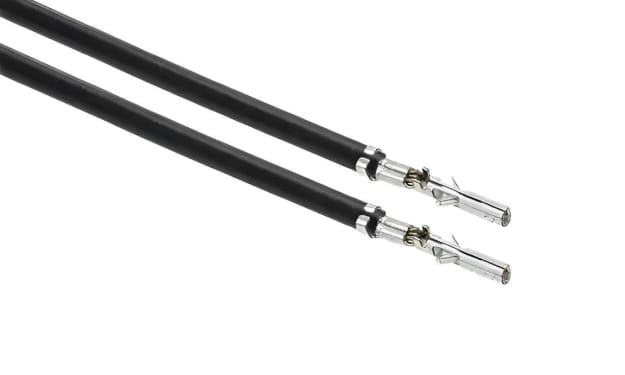
Introduction to Jumper Wires and Pre-Crimped Leads
In the world of electronics prototyping, experimentation, and production, jumper wires and pre-crimped leads play pivotal roles. These components are fundamental in creating temporary circuits, testing systems, and finalizing products in a broad spectrum of industries, from educational environments to high-tech laboratories. This article explores the types, uses, advantages, and considerations for choosing the right jumper wires and pre-crimped leads for different applications.
By David M.Blassabout a year ago in BookClub
Daily Liturgy — January 21, 2026
Today the Church celebrates the Memorial of Saint Agnes, Virgin and Martyr, and the liturgy invites us to reflect on courage, fidelity, and the quiet strength that comes from trusting God completely. As we continue through the Second Week in Ordinary Time, the readings place before us two powerful images of faith in action: the youthful confidence of David as he faces Goliath, and the steady, uncompromising mercy of Christ as He heals on the Sabbath. Together, they remind us that God’s power is often revealed not through force or status, but through obedience, humility, and love that refuses to yield to fear.
By Sound and Spirit6 days ago in Journal



Comments
There are no comments for this story
Be the first to respond and start the conversation.