
Why Roller Coasters Remain the Star Attraction in Amusement Parks
The Enduring Appeal of Roller Coasters: Engineering, Thrills, and Social Connections
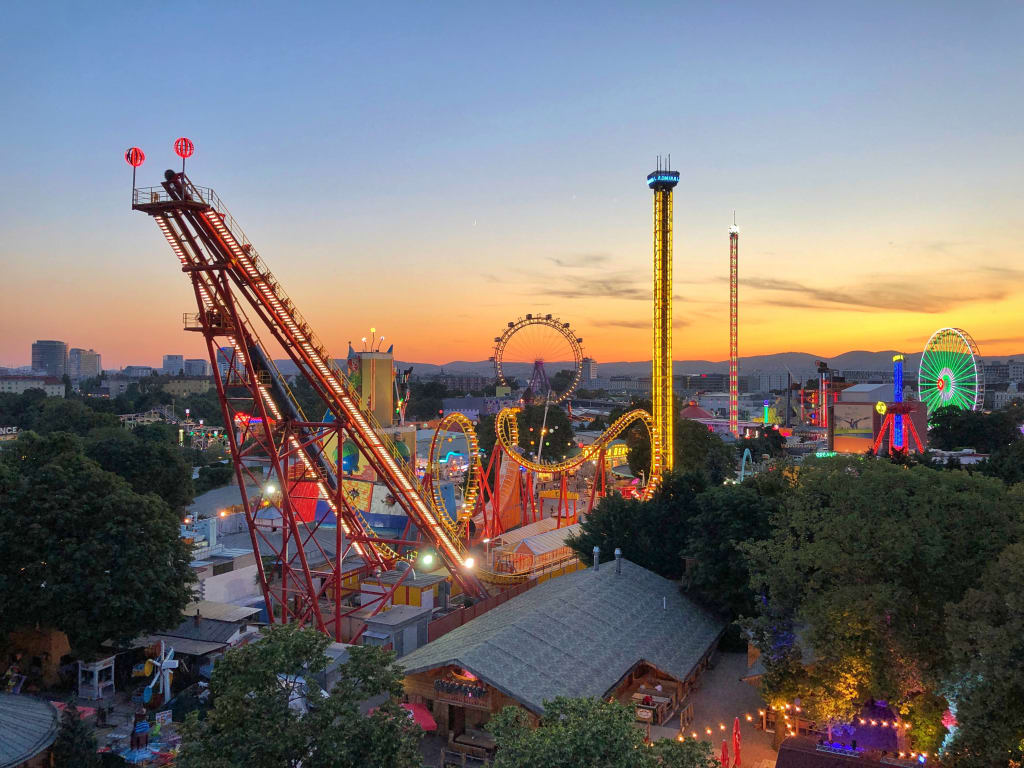
Roller coasters are often seen as the quintessential symbol of amusement parks. From their towering structures to their high-speed thrills, roller coasters stand out as the main attractions that draw crowds, generate excitement, and offer an unparalleled sense of exhilaration. Despite the proliferation of numerous other types of amusement rides, the roller coaster remains the centerpiece of nearly every theme park. But what makes roller coasters so special, and why do they continue to dominate the amusement ride landscape? This article delves into the multifaceted reasons behind the enduring popularity of roller coasters, examining their technical design, emotional appeal, and cultural significance.
The Engineering Marvel of Roller Coasters
The appeal of a roller coaster begins with its engineering complexity. Unlike many other amusement rides, a roller coaster involves a combination of high-speed mechanics, gravity-driven forces, and intricate track designs. These machines are feats of mechanical engineering, designed not only to be thrilling but also to push the boundaries of what is physically possible for riders.
One of the main reasons roller coasters continue to be the star equipment in amusement parks is their ability to deliver intense experiences through precise control over speed, acceleration, and g-forces. A single roller coaster ride can involve sharp drops, inversions, corkscrews, and high-speed twists that test the limits of human tolerance for acceleration and deceleration. The design of a roller coaster track is meticulously crafted to maximize the physical sensations experienced by riders, while keeping them within safe boundaries. The result is an experience that combines excitement with a calculated risk—an aspect that is rarely replicated by other types of amusement rides.
The construction of roller coasters is also a major factor in their continued dominance. The large-scale nature of roller coasters makes them not only thrilling but also visually striking. Their towering heights, intricate loops, and sprawling tracks are designed to captivate attention from the moment visitors enter the park. Many roller coasters are engineering spectacles that can be seen from miles around, serving as both a symbol of the park's identity and a beacon for thrill-seekers.

Psychological Thrill: The Science Behind the Ride
Beyond their engineering appeal, roller coasters also tap into the human psyche in a way that few other amusement rides can. The core appeal of a roller coaster is the adrenaline rush it generates. When riders board a roller coaster, they voluntarily place themselves in a situation that mimics the sensation of danger. The sharp drops, sudden turns, and inversions create feelings of fear, excitement, and even euphoria, which are all intensified by the speed and height of the ride.
One of the reasons people are so drawn to roller coasters is the physiological response they evoke. When the body experiences the high-speed motions and sudden drops typical of a roller coaster ride, the brain releases adrenaline and dopamine. These neurotransmitters trigger the body’s "fight or flight" response, which increases heart rate, dilates pupils, and boosts energy levels. At the same time, dopamine—the brain's "pleasure chemical"—creates feelings of reward and satisfaction, reinforcing the desire to experience the ride again. This combination of fear and pleasure creates a "safe risk" scenario, where riders feel the thrill of danger without the actual consequences.
Moreover, roller coasters provide an opportunity to experience controlled chaos. Unlike real-world threats, the danger presented by roller coasters is simulated and carefully regulated. This allows riders to safely engage in an experience that involves a high degree of excitement, without the real-world risks associated with freefall or extreme sports. The thrill of experiencing something so seemingly dangerous in a secure environment is part of what keeps roller coasters as the central attraction in amusement parks.

The Social Aspect: Shared Experiences
Another key factor in the enduring popularity of roller coasters is the social dimension they offer. Amusement parks are often visited by families, groups of friends, and even strangers who come together to enjoy shared experiences. Roller coasters are a communal ride; they often accommodate multiple passengers, allowing groups to ride together and experience the thrill simultaneously. The shared experience of screaming, laughing, and holding on during a ride fosters a sense of camaraderie and social connection. This aspect of social interaction is one of the reasons roller coasters hold such a strong cultural appeal—they provide opportunities for bonding and creating lasting memories with others.
Additionally, roller coasters serve as a communal activity that transcends generational divides. Young children, teenagers, and adults alike can enjoy a roller coaster ride together, making it a versatile attraction that appeals to a wide range of demographics. While other amusement rides may cater to specific age groups or preferences, roller coasters have the broad appeal necessary to make them the focal point of most amusement parks.
The Thrill of Innovation: Pushing the Limits
As technology continues to advance, roller coasters have evolved significantly over the years, with each new iteration offering a more extreme, immersive experience. From wooden roller coasters that feature smooth, flowing motions to steel coasters that deliver rapid acceleration and steep drops, roller coasters continue to push the boundaries of engineering and rider experience.
In recent years, the advent of virtual reality (VR) integration in roller coasters has taken the traditional ride to new heights. By adding virtual environments to the physical sensations of the ride, VR roller coasters provide a fully immersive experience that blends the physical thrill with digital landscapes. Riders can now experience roller coasters set in fantastical worlds, such as outer space or underwater, all while feeling the familiar g-forces and drops that come with the ride. These innovations in design and technology ensure that roller coasters remain at the cutting edge of amusement park attractions.
Moreover, the trend toward creating roller coasters with unique themes and storylines adds to their allure. For example, themed roller coasters based on popular movies or fictional worlds provide a multi-sensory experience that goes beyond just speed and drops. The integration of immersive storytelling, special effects, and music into the ride experience elevates the emotional impact and makes roller coasters even more appealing to a wider audience.
Roller Coasters and the Cultural Icon
Roller coasters have transcended their status as mere amusement park rides to become cultural icons in their own right. The image of a towering roller coaster, with its looping tracks and twisting curves, is synonymous with the excitement and thrill of amusement parks. These rides are featured in movies, television shows, and advertisements, often symbolizing freedom, adventure, and the pursuit of exhilaration.
The cultural significance of roller coasters also extends to their role in park branding. Major amusement parks often build their identities around their signature roller coasters, which serve as the main draw for visitors. The "biggest," "fastest," or "most thrilling" roller coaster becomes a point of pride for these parks, and it often drives marketing campaigns aimed at attracting visitors. The roller coaster’s ability to create buzz and capture the public's imagination is unparalleled in the world of amusement rides.
Conclusion
Roller coasters continue to be the star attraction in amusement parks due to their unique combination of engineering marvels, psychological appeal, social experiences, and cultural significance. These rides deliver a level of thrill, excitement, and innovation that few other amusement rides can match. As technology evolves and new advancements are made in ride design, roller coasters will undoubtedly remain at the forefront of the amusement industry, captivating the imaginations of thrill-seekers for generations to come. Whether it's the engineering complexity, the thrill of speed, or the sense of shared adventure, roller coasters have proven to be much more than just a ride—they are an enduring symbol of the thrill and excitement that define amusement parks.
About the Creator
Beston Amusement Rides
As a leading amusement facility manufacturer, we provide safe and interesting amusement equipment to customers around the world, including roller coasters, Ferris wheels, pirate ships and so on.
Website:https://bestonamusementrides.com/
Keep reading
More stories from Beston Amusement Rides and writers in Journal and other communities.
Engineering Safety: Standards and Inspection Protocols for Amusement Park Rides
Public trust in amusement park rides hinges on rigorous safety systems. As attractions grow increasingly sophisticated—combining high-speed dynamics, complex control systems, and interactive elements—regulatory oversight becomes not just a precaution, but a fundamental obligation. This article delineates the global framework of safety standards, inspection protocols, and operational procedures essential for maintaining mechanical integrity and protecting rider well-being.
By Beston Amusement Rides9 months ago in Journal
Why Timely Fastener Replacement is Crucial for Aircraft Safety and Performance
Fasteners are the small but mighty heroes of your aircraft. These unassuming components are essential for holding the entire structure together, ensuring everything from the wings to the engines stay in place during flight. But when fasteners start to degrade, the consequences can be catastrophic. Regular inspection and timely replacement are not just recommendations; they are crucial for maintaining aircraft safety and performance.
By Beckett Dowhan7 days ago in Journal


Comments
There are no comments for this story
Be the first to respond and start the conversation.