
Why People Feel Emotionally Attached to Their iPhones
It’s more than a device—it's a digital home filled with memories, connection, and comfort.

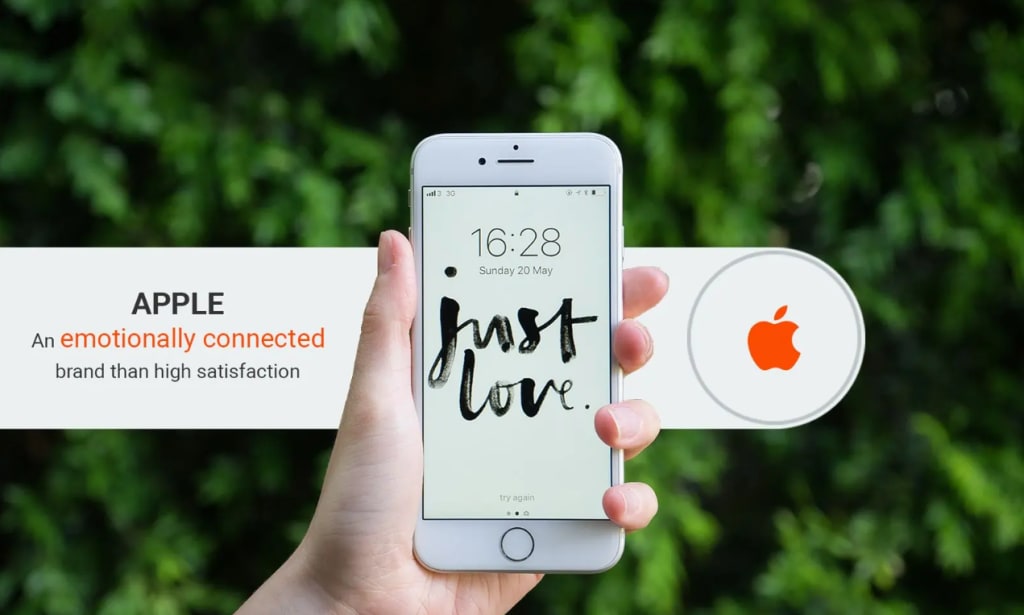
Many people say they “love” their iPhone. Sometimes they mean the camera. Sometimes the design. But often, the connection goes deeper. The device becomes part of daily life. It holds memories, conversations, routines, and personal history. This emotional connection shapes how people feel about technology, especially when it comes to Apple.
Think about what happens when someone loses their phone. They do not panic because of the cost alone. They panic because the phone holds photos, messages, passwords, plans, and personal thoughts. It is like losing a piece of themselves.
This emotional connection happens quietly over time. People wake up and check messages. They talk to friends. They listen to music that lifts their mood. They save pictures of celebrations, pets, children, places, and seasons. The phone becomes a digital memory box.
Some people keep their first iPhone in a drawer. Not because it works, but because it reminds them of a certain time in life. Maybe it was their first job. Their first relationship. Their first time feeling independent. The device holds emotional meaning even if the battery no longer turns on.
For many, the iPhone is also a tool for self-expression. They choose wallpapers that match their mood. They organize apps based on habits. They save notes full of thoughts, dreams, fears, and future plans. It becomes a reflection of who they are.
Messages are a big part of this attachment. Phones hold years of conversations. Some texts are silly. Others are deep. Some come from people who are no longer in their lives. Reading old messages can feel like time travel. It brings back voices, moments, and emotions.
Photos add even more weight. The iPhone becomes a camera that captures life in real time. Not just big moments, but everyday ones—breakfast photos, street views, laughter in a car, pets sleeping on the couch. These images document life in a natural way. Without them, memories might fade faster.
The phone also gives comfort. When someone feels lonely, they scroll. When someone feels stressed, they listen to calming sounds or watch videos. When someone feels lost, maps guide them. The phone becomes a source of stability.
Some people say the iPhone helps them grow. They track habits. They write goals. They learn new skills through videos. They manage work and school. It becomes a silent partner in personal progress.
Even the lock screen holds meaning. It is the first thing someone sees every morning. People choose pictures that make them smile, feel hopeful, or stay motivated. This small detail impacts how the day begins.
There is also trust. People feel safe carrying private information in their pocket. They trust that the device will open only with their face or fingerprint. This safety builds emotional security.
The phone becomes a bridge to relationships. Birthdays stay remembered, group chats stay active, and long-distance love stays possible. People stay close even when far apart. Without the device, some friendships might fade.
At the same time, people sometimes feel uncomfortable with how much they rely on their phones. They feel guilty scrolling late at night. They try to take breaks. They turn on focus modes. These moments show that the attachment is real—it affects emotions both positively and negatively.
What makes Apple unique is not just design. It is how the device feels personal. The interface is clean. The buttons are simple. The gestures feel natural. People feel in control, not overwhelmed. The phone becomes something they live with, not just use.
When a new model comes out, many people hesitate to upgrade. Not because the new phone is bad, but because the old one holds memories. Letting go means closing a chapter. It feels like giving away a journal.
In the end, the emotional bond forms because the iPhone is not just a tool. It is a container for life. It holds stories, relationships, and growth. It travels everywhere. It becomes a digital home.
That connection is powerful. It explains why people protect their phones like something precious. They are not just holding glass and metal. They are holding pieces of themselves.
_________________________________________________
#AppleLife #DigitalMemories #WhyWeLoveOurPhones #HumanAndTech #ModernHabits #EmotionalTech #LifeOniPhone #PersonalDevice #ConnectedLiving #MemoryKeeper #DailyLife #HumanSideOfTech #SoftTechnology #PhoneAttachment #DigitalHome
About the Creator
Shakil Sorkar
Welcome to my Vocal Media journal💖
If my content inspires, educates, or helps you in any way —
💖 Please consider leaving a tip to support my writing.
Every tip motivates me to keep researching, writing, sharing, valuable insights with you.
Keep reading
More stories from Shakil Sorkar and writers in Journal and other communities.
Why Apple Stores Feel Different
When you walk into an Apple Store, it does not feel like a regular shop. There are no loud posters. No bright sale banners. No long shelves packed with boxes. Instead, the space feels open and calm. Tables are wide. Lighting is soft. People walk, talk, sit, and hold devices.
By Shakil Sorkar4 months ago in Journal
Author’s Advice
If you would’ve asked me 20 years ago did I know I’d become a writer and an author, I would’ve said “nope, ain’t happening”. As fate would have it I did become an author and I can honestly say I’m loving it so far. It really does feel good to be a writer. I’ve learned a lot on this journey and I feel like with even me being as new to this world as I am, there’s some wisdom I need to share with every other aspiring author.
By Joe Patterson2 days ago in Journal
7 Signals the wireless connectivity market Is Entering a New Era
The invisible threads holding the modern world together aren’t made of steel or fiber—they travel through the air. From the moment your alarm syncs with the cloud to the instant a self-driving car updates its navigation data, wireless signals quietly power the rhythm of modern life. What once began as simple radio communication has evolved into an ecosystem connecting billions of devices, satellites, sensors, and cities.
By Andrew Hamilton5 days ago in Journal
Top tipple tricks
Been thinking a lot about drinking, lately. Not least because of a recent episode of over-indulgence and the inevitable after effects. Some readers may recall the earlier articles I wrote about beating the booze. Here I set out an experiment in techniques for cutting down on my alcohol intake. The experiment was successful, the techniques worked, and I have armed myself with an arsenal of weapons in the war against the demon drink. I have yet to fire the first round however. It's all a question of timing (perhaps procrastination).
By Raymond G. Taylor5 days ago in Psyche



Comments
There are no comments for this story
Be the first to respond and start the conversation.