
Why Mouthwash Should Be Part of Your Daily Oral Care Routine
Discover why using mouthwash daily can enhance your oral care routine. From fresh breath to plaque reduction, see the benefits of incorporating mouthwash for a healthier smile.

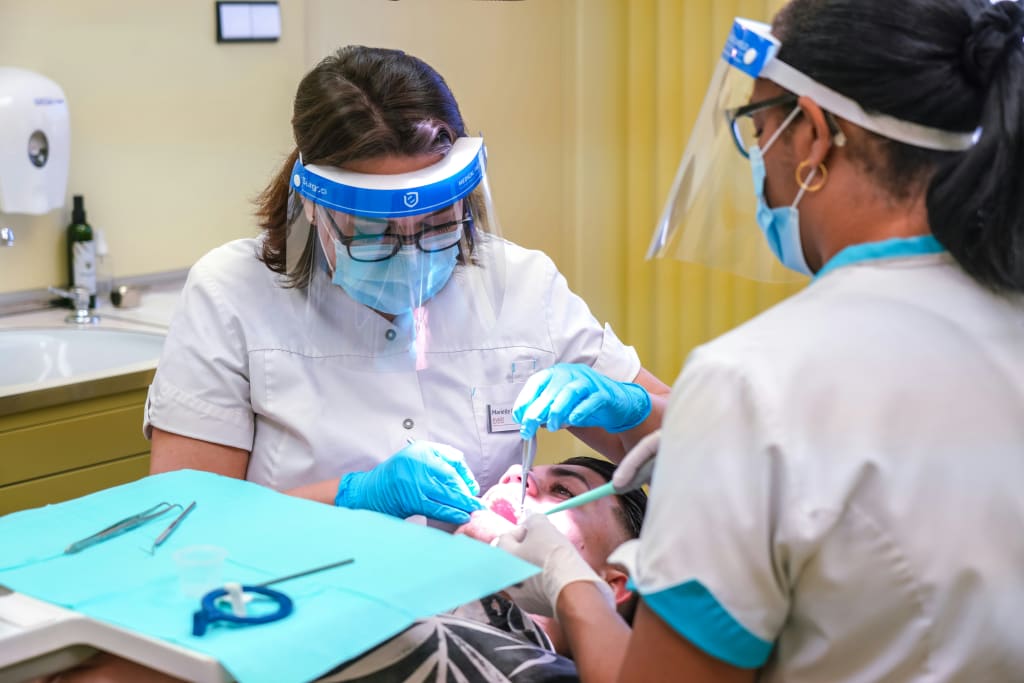
Maintaining optimal oral health isn't just about brushing and flossing alone; it requires a comprehensive approach to ensure your teeth and gums are in the best condition possible. While these practices are crucial, incorporating mouthwash into your daily routine can provide significant benefits.
Let's discuss why mouthwash should be a staple in your daily oral care routine and the different types of mouthwash available to suit your needs.
Are Brushing and Flossing Enough?
According to the Oral Health Foundation, nearly half of people don't use mouthwash regularly. While brushing removes some food particles from the surfaces of your teeth and flossing targets the spaces between them, there are areas in your mouth that these methods can't reach. This leaves room for bacteria to thrive, particularly in spots like the back teeth, under the gum line, and on the tongue.
In addition, brushing and flossing don't fully protect your oral cavity against some of the deeper, more complex problems that may develop, like cavities or the early stages of gum disease. These issues can progress over time if not detected early.
That's where adding extra steps to your routine, such as using mouthwash, becomes essential. Mouthwash reaches parts of your mouth that brushing and flossing alone can't. It helps kill bacteria, reduces plaque buildup, protects your gums from inflammation, and freshens your breath.
A thorough oral care routine combining brushing, flossing, and mouth rinses will ensure your smile stays strong, healthy, and bright in the long run.
Different Types of Mouthwash
Not all mouthwashes are the same; each type is designed to address specific dental needs. Here are some common types of mouthwash and how they can support your oral care routine.
1. Cosmetic Mouthwash
Cosmetic mouthwash is mainly used for quick breath freshening, providing a temporary minty boost by neutralizing odors. While it leaves a pleasant taste, it lacks germ-killing ingredients, so it doesn't tackle the root causes of bad breath or plaque buildup.
2. Fluoride Mouthwash
Fluoride mouthwash is crucial in strengthening tooth enamel through remineralization, helping reverse early signs of tooth decay. Providing an extra dose of fluoride beyond what's found in toothpaste offers added protection against cavities and tooth erosion.
3. Antiseptic Mouthwash
Antiseptic mouthwash contains powerful ingredients like eucalyptus oil or chlorhexidine, which help eliminate harmful bacteria that lead to plaque buildup and gum disease. Using an antiseptic mouthwash allows you to address these issues while ensuring longer-lasting fresh breath.
4. Natural Mouthwash
Natural mouthwash provides a mild but effective alternative for those who prefer a gentler, alcohol-free option. Often made with plant-based ingredients and essential oils, these mouthwashes freshen your breath without the burning sensation of alcohol. They are an excellent choice for people with sensitive gums or those who prefer products free from harsh chemicals.
5. Whitening Mouthwash
Whitening mouthwash is formulated to boost the brightness of your smile by removing surface stains and preventing new ones from developing. It is a great addition to your teeth-whitening routine, providing ongoing protection and helping maintain a fresh, radiant appearance over time.
Additional Tips to Improve Your Dental Health
Besides adding mouthwash to your oral care routine, making simple changes in your lifestyle can keep your teeth and gums healthy. Here are other easy ways to level up your oral care and maintain a healthy smile:
- Eat a Balanced Diet: Eat plenty of fruits, vegetables, whole grains, and lean proteins to support strong teeth and gums. Likewise, limit sugary foods and drinks to protect against dental issues.
- Use a Tongue Scraper: Use tongue scrapers to remove bacteria and dead cells from the surface of your tongue. This helps reduce bad breath and promotes overall oral health.
- Limit the Intake of Acidic Drinks: Beverages like soda, coffee, and citrus juices can erode enamel over time. Drink them moderately, and consider using a straw to reduce direct contact with your teeth.
- Quit Smoking: Smoking not only stains teeth but also contributes to serious oral health issues, such as gum disease and oral cancer. The chemicals in tobacco can cause teeth discoloration while also weakening the immune system and reducing blood flow to the gums. Quitting smoking can dramatically improve your oral health by allowing your gums to heal, improving blood circulation, and reducing inflammation.
- Schedule Regular Visits to the Dentist: Visit your dentist at least every six months for professional cleanings and checkups. These regular visits are crucial for spotting potential issues early, allowing your dentist to treat problems before they worsen or require more care.
Boost Your Oral Health with A Simple Step
Adding mouthwash to your daily routine takes just a few seconds, but the impact on your oral health can be long-lasting. Whether you want to freshen your breath or strengthen your enamel, mouthwash is a simple and practical addition. For a variety of mouthwash options and other dental care products, check out pearliewhite.com.
About the Creator
Steve John
I’m a writer with a passion for exploring diverse topics, from education and lifestyle to health and wellness. I aim to provide readers with valuable insights and practical guidance across various subjects..
Keep reading
More stories from Steve John and writers in Journal and other communities.
How Ackenting Group is Transforming Accounting Services for Singaporean SMEs
In Singapore's dynamic business environment, small and medium enterprises (SMEs) typically face challenges when working around the complexities of accounting and financial management. And with traditional accounting practices being time-consuming and complex, many businesses fail to access the real-time insights necessary for informed decision-making.
By Steve Johnabout a year ago in Journal
Author’s Advice
If you would’ve asked me 20 years ago did I know I’d become a writer and an author, I would’ve said “nope, ain’t happening”. As fate would have it I did become an author and I can honestly say I’m loving it so far. It really does feel good to be a writer. I’ve learned a lot on this journey and I feel like with even me being as new to this world as I am, there’s some wisdom I need to share with every other aspiring author.
By Joe Patterson5 days ago in Journal




Comments
There are no comments for this story
Be the first to respond and start the conversation.