
Why is EHR Important in Digital Health?
EHR software is a powerful tool that can help healthcare professionals store, organize and review patient data.

EHRs are designed with an easy-to-use interface in mind so it’s easier for doctors or nurses to look up patients' records before they see them on-site at their office visit.
The old-fashioned way of storing medical records was physical file folders. This meant that if you moved from one doctor's office to another, it could be tough finding all your previous visits in a jumble with other people’s paperwork and no easy way for doctors who didn't know about them either since there were just files scattered across various locations - making mistakes more likely than ever before.
EHR is a system that digitizes your health records so they're understandable by all of the doctors in your future. Providers take notes in an EHR and these can be found, understood easily by them or added too if necessary because there is no reliance on paper forms anymore.
With CMS Meaningful Use laws in effect, EHRs have been at the forefront of digital healthcare. These new regulations place an emphasis on integration and data sharing between providers as well any technologies used for patient care management like Health Apps or Wearable Technology that can be monitored remotely.
With recent changes to U.S law, such as "Meaningful use" launched by a scoring system mandating more efficient ways hospitals operate today it's no wonder we're seeing so much innovation around workflow automation among others.
WHAT ARE THE BENEFITS OF USING EHR?
Improved Collaboration
Primary care physicians are the backbone of any healthcare system and have a crucial role in ensuring that patients receive high-quality, cost-effective medical treatments.
By collecting patient information from one doctor to share with other specialists or team members it becomes much easier for them all to work together as they'll be able to reduce unnecessary testing while still meeting customer needs.
The data from primary physicians can be easily shared, examined by specialists and other team members which results in avoiding duplicate testing. This saves money so you get better outcomes.
Flexibility
EHR provides you the flexibility to choose your needs. With an on-premises or SaaS model, it is easy for physicians and patients alike because they have everything at their fingertips from anywhere!
It enables doctors to review tests, view reports, and submit prescriptions from anywhere at any time through internet access. Using ehr software also allows you greater freedom as your work environment no longer constricts what kind of device or browser software system is used for accessing it.
Lesser Paperwork
EHRs reduce your workload by streamlining the process of paperwork, and because they take up less space than traditional records this saves you money.
Financial Benefits
Avoid a loss of medical incentives and payment cuts by using an EHR certified for security, interoperability. The Medicare program offers rewards to providers that have installed these systems in order to make sure they are provided with meaningful use guidelines; avoid losing any potential gains from this applied incentive.
Improved Quality of Care
By promoting all phases of patient care, including security and efficiency in the medical field as well as equality for patients to feel included by not having any preconceived notions about their treatments.
EHRs can help with more reliable analyses when it comes down from an error or simply giving automated reminders so that preventive visits are always taken into consideration because they're necessary even if you don't want them!
By making sure every detail regarding what's going on during treatment stays up-to-date through technology we'll be able to provide better quality healthcare while being aware at every step along the way but most importantly doing everything possible towards prevention which has been proven time after again will save money later.
Better Patient Outcomes
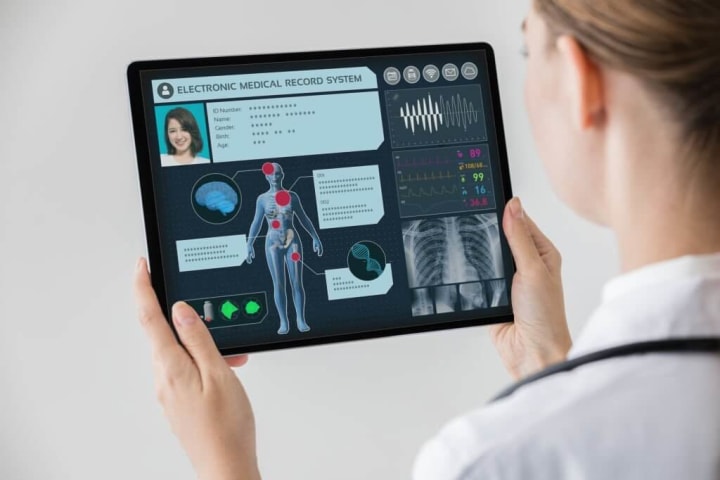
The healthcare industry has been struggling with how to improve patient care. One solution is that all of a patient's records are in one place, which can save time and money for both the provider as well as their loved ones who may need more information about what they're going through.
So it's important not just from an administrative standpoint but also when looking at things like diagnosis accuracy rates or coordination between different types doctors offices etc., if there aren’t any roadblocks along those lines then chances increase significantly higher than before because now every party involved will have easy access.
Better Clinical Decision
EHR systems have been shown to improve patient care by ensuring information from different sources is combined together.
Convenience
When it comes to obtaining patient data, users need access that is easy and versatile. The EHR marketplace can contribute towards this goal with portable systems because they offer an option for both remote users as well as being able to register or renew your information immediately upon exiting a clinic setting where there would usually still be paper charts in most cases.
The value statement here suggests workers such as physicians interacting using their terminals have more success by having direct connections between themselves and all medical records.
Improved Productivity
EHRs can help physicians provide quality and safer patient care by enabling them to spend more time with each individual.
Patient Engagement
A patient portal is a tool that helps to engage patients and make sure they're engaged in their own care. It also improves communication between healthcare providers, because it allows for real-time tracking of health records as well as alert notifications about appointments or billing issues which can be left unanswered by phone lines at night due without needing an email inbox full already.
Emergency Situations
EHRs are a life-saving tool for doctors and patients alike. They allow providers to spend less time during clinic visits, especially in emergency situations where seconds count between death or survival!
EHR also has benefits outside of healthcare such as providing access to patient records when disaster strikes--this makes sure the right treatment is given at just about any point during an accident without having too many loose ends like old-fashioned medical books might do.
In 2016, HealthIT.gov research found that over 95% of qualified hospitals have shown significant use of certified health IT under the Affordable Care Act - but despite this popular trend EHRs can be complicated and hold a wide range of abilities from a vendor to vendor like CureMD, Kareo, ipatientcare, advancedmd, etc..
Perhaps if we had more options for efficiency in our work-life balance at home then these products would not seem so daunting? With such an easy interface between physician's office staff members (in order to manage time), nurses who are available 24 hours via phone or email, etc., there has never been a better opportunity than now when considering upgrading/installing new EHR technology on your existing computer systems.
About the Creator
Summer Larson
Summer Larson's background in healthcare stretches over 11 years. He is a well-renowned health IT expert and contributes regularly to popular blogs and websites.
Keep reading
More stories from writers in Journal and other communities.
Local Burnley Experience & Shopping Days
Burnley has a way of surprising people who only know its industrial past. It is a town where rugged hills meet busy high streets. You can spend a morning hiking up to a wind-powered musical sculpture and the afternoon hunting for designer bargains. For those looking to spruce up their outdoor space, finding a quality garden centre in Burnley offers a great starting point for a day of exploration. The local scene is a mix of traditional grit and modern charm. It feels authentic and unpretentious. If you want a day out that combines fresh air with retail therapy, this corner of Lancashire delivers.
By Lisa Smithabout 24 hours ago in Journal
A Letter to the Firestarter
Dear Firestarter, We can all see you, we've been watching you since you began. In case you didn't know we were here before you and we will be here after. We witnessed your rise, your setbacks, your guilt and your lies. We witnessed you start the fire.
By Donny Foley4 days ago in Poets




Comments
There are no comments for this story
Be the first to respond and start the conversation.