
Why Is Air Travel So Important?
Why Is Air Travel So Important?

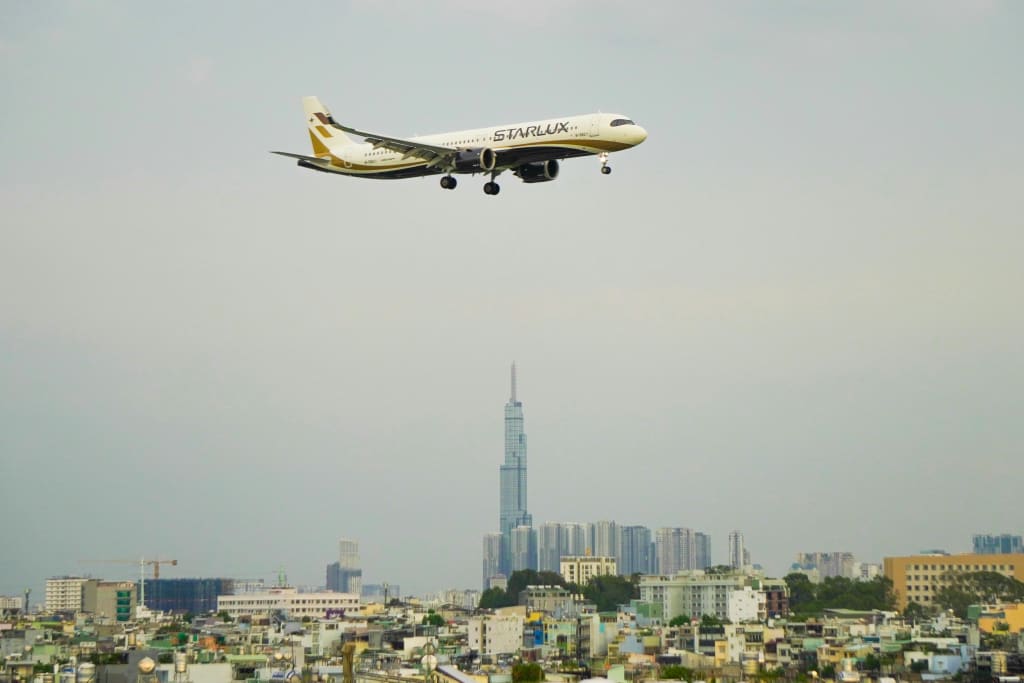
Air travel stands as one of the most transformative innovations of the modern era, fundamentally reshaping economies, societies, and the way individuals interact across the globe. Its significance extends far beyond mere convenience, serving as a vital engine for economic growth, social development, global connectivity, and emergency response. This article explores the multifaceted importance of air travel, drawing on the latest industry data and trends.
Economic Powerhouse: Driving Global Prosperity
Air travel is a cornerstone of the global economy. The aviation sector supports 86.5 million jobs worldwide and contributes $4.1 trillion to global GDP, representing nearly 4% of total economic output4. This impact is not limited to airlines alone; it extends to airports, aircraft manufacturers, tourism, and supply chains. For every direct job in aviation, several more are created indirectly, from catering and logistics to hospitality and travel services.
Aviation also enables tourism, which is a critical source of income for many countries. Over 58% of international tourists rely on air travel, making it the primary driver for global tourism1. This influx of visitors supports local businesses, creates jobs, and generates government revenues through taxes and fees.
Global Connectivity: Bridging Continents and Cultures
Perhaps the most profound contribution of air travel is its ability to connect people and places. With more than 4.4 billion passengers flying on over 35 million commercial flights annually, aviation links even the most remote corners of the world4. A vast network of over 1,100 airlines and 4,000 airports ensures that nearly every region is accessible, fostering cultural exchange, business collaboration, and personal relationships.
Air travel acts as a virtual bridge, facilitating the movement of people, goods, and ideas. For businesses, this means access to new markets, investment opportunities, and global supply chains. For individuals, it enables family reunions, educational pursuits, and life-changing adventures.
Trade and Commerce: The Lifeblood of Globalization
The role of air travel in international trade cannot be overstated. Nearly 61.4 million tonnes of cargo are transported by air each year, accounting for 33% of world trade by value High-value, time-sensitive goods — such as electronics, pharmaceuticals, and perishable foods — rely on the speed and reliability of air freight to reach global markets.
This rapid movement of goods supports just-in-time manufacturing, reduces inventory costs, and enables businesses to respond quickly to changing consumer demands. In essence, air travel is a critical enabler of modern commerce and the globalized economy.
Social Development and Quality of Life
Beyond economics, air travel delivers substantial social benefits. It improves living standards by making essential goods and services accessible, particularly in remote or underserved regions1. For isolated communities, air transport is often a lifeline, providing access to healthcare, education, and emergency relief.
Aviation also plays a pivotal role in disaster response. When natural disasters or humanitarian crises strike, air travel enables the rapid deployment of aid, medical teams, and supplies, saving countless lives.
Tourism and Cultural Exchange
Tourism thrives on the accessibility provided by air travel. By making distant destinations reachable, aviation fuels cross-cultural understanding and global awareness. Travelers can experience new cultures, cuisines, and traditions, fostering tolerance and appreciation for diversity.
This cultural exchange is a two-way street: as tourists bring economic benefits to host communities, they also return home with new perspectives and ideas, enriching their own societies.
Technological Innovation and Safety
The aviation industry is at the forefront of technological advancement. From sophisticated navigation systems to fuel-efficient aircraft, continuous innovation enhances safety, efficiency, and passenger comfort. Statistically, air travel is among the safest modes of transportation, thanks to rigorous safety protocols and international standards.
Airports and airlines invest heavily in technology to minimize delays, handle adverse weather, and ensure smooth operations. These advancements not only benefit passengers but also set benchmarks for other industries.
Adapting to a Changing World: Trends and Resilience
The resilience of air travel was tested during the COVID-19 pandemic, which caused an unprecedented drop in passenger numbers. However, the sector has demonstrated remarkable recovery, with global passenger traffic projected to reach 4.22 billion in 2025 — an 8.3% increase from 2024 and a quadrupling since 20213. This rebound underscores the enduring demand for air connectivity and its integral role in the world economy.
Regional trends reveal dynamic shifts: Asia-Pacific is experiencing the fastest growth, while Europe remains the largest market by passenger volume3. These trends reflect broader economic developments, urbanization, and rising middle-class populations in emerging markets.
Challenges and Considerations
While the benefits of air travel are immense, the industry faces significant challenges. Environmental concerns, particularly carbon emissions and noise pollution, have prompted calls for sustainable aviation fuels and greener technologies2. Additionally, the high cost of air travel can be a barrier for some, although increased competition and innovation are gradually making flying more accessible.
Conclusion: The Indispensable Role of Air Travel
Air travel is far more than a mode of transportation — it is a catalyst for economic growth, a bridge between cultures, a facilitator of trade, and a lifeline in times of crisis. Its ability to connect people, markets, and ideas underpins the modern world, driving prosperity and fostering global understanding.
As the industry continues to evolve, embracing sustainability and technological innovation, its importance will only grow. For businesses, governments, and individuals alike, air travel remains an essential pillar of progress and opportunity
About the Creator
Sherif shams
Entrepreneur, content creator, and lifelong learner. I share insights on business, self-improvement, and the digital world to inspire and empower others. Always exploring new ideas and ways to grow. Let’s connect and build something
Keep reading
More stories from Sherif shams and writers in Journal and other communities.
45 AI Prophecies
As artificial intelligence (AI) rapidly transforms every aspect of our lives, the need for digital self-defense has never been greater. 45 AI Prophecies: Your Digital Survival Guide is designed to help you navigate the risks, opportunities, and ethical dilemmas of the AI revolution. Whether you’re a concerned citizen, a digital prepper, or simply curious about the future, this comprehensive guide offers practical tips, real-world examples, and actionable strategies to help you thrive in an AI-driven world.
By Sherif shams9 months ago in Journal
Author’s Advice
If you would’ve asked me 20 years ago did I know I’d become a writer and an author, I would’ve said “nope, ain’t happening”. As fate would have it I did become an author and I can honestly say I’m loving it so far. It really does feel good to be a writer. I’ve learned a lot on this journey and I feel like with even me being as new to this world as I am, there’s some wisdom I need to share with every other aspiring author.
By Joe Patterson2 days ago in Journal




Comments
There are no comments for this story
Be the first to respond and start the conversation.