
Why Hospitals Use Non-Slip Socks Instead of Regular Socks for Patients
Why Hospitals Choose Non-Slip Socks Over Regular Socks: Safety, Comfort, and Care Combined
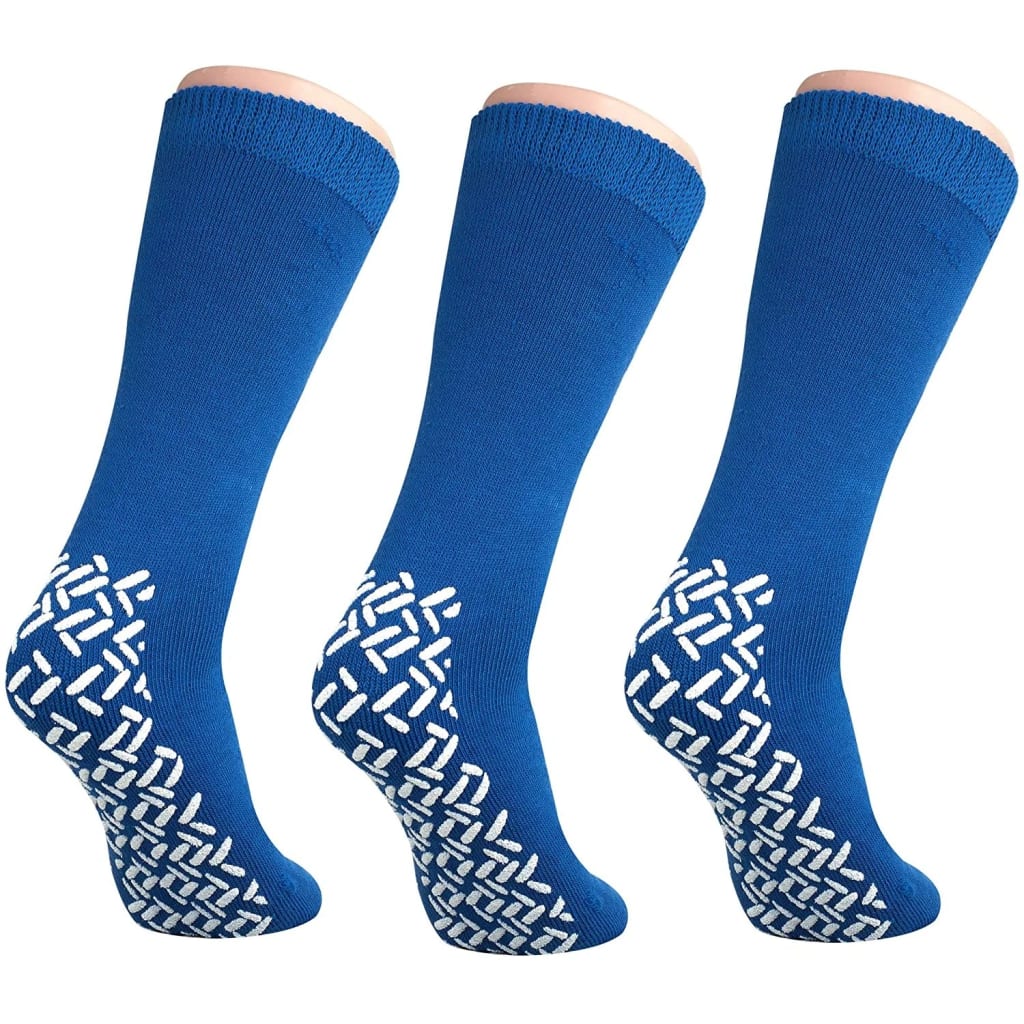
When thinking about hospitals, the image that comes to mind often includes doctors, nurses, and patients in gowns. Alongside these familiar details is something less obvious yet highly significant: non-slip socks. These socks may appear like a small part of patient care, but in truth, they play an essential role that ordinary socks cannot provide in medical environments. Have you ever wondered why hospitals use non-slip socks for patients instead of letting patients wear their regular ones?
Safety Takes Priority
In hospitals, safety comes before everything else. Patients often need to walk across smooth or polished floors where slipping can occur. Regular socks offer little traction, which increases the chance of accidents.
Non-slip socks are designed with grips on the soles to reduce slipping risks. For patients recovering from surgery, managing medication effects, or dealing with balance issues, these socks provide much-needed stability. What looks like a simple item of clothing becomes an essential tool in reducing fall-related injuries. Wouldn’t it feel reassuring to know that every step taken in a hospital is backed by something designed to prevent falls?
More Than Everyday Wear
Ordinary socks are created for warmth and comfort during daily life. Non-slip socks, however, are tailored for hospital use. They bring together soft, breathable fabric with functional soles that enhance grip.
This dual purpose makes them more than an accessory. They play an active part in protecting patients, aligning with hospital efforts to maintain a safe environment. Each pair helps individuals move with confidence while lowering the likelihood of accidents.
Options That Cover Different Needs
Hospitals care for patients of all ages and sizes, which means one standard design isn’t enough. Non-slip socks are available in various sizes for children, adults, and bariatric patients. Every patient, regardless of condition, can benefit from the safety features these socks provide. Specific designs even include double tread grips, meaning traction is present on both sides of the sock.
This ensures a steady footing even if the sock shifts while walking. Such small details highlight how patient needs shape the design of these socks. Isn’t it interesting how even something as simple as the grip on both sides of a sock can make a noticeable difference in safety?
Comfort During Recovery
Comfort is essential for anyone staying in a hospital. Non-slip socks are soft and warm, creating a sense of ease for patients moving from bed to bathroom or engaging in therapy sessions.
While regular socks provide warmth, they lack the safety features required in hospitals. Non-slip socks bring together comfort and practicality, giving patients peace of mind during recovery.
Can comfort and safety really go hand in hand with something as small as a sock? Hospitals certainly think so.
A Practical Alternative to Shoes
Shoes are a safer option, but they often create challenges in hospitals. Patients may have swelling, dressings, or limited movement that make shoes impractical.
Non-slip socks serve as a practical substitute. They are lightweight, simple to put on, and easy to replace when needed. These features make them more suitable for patients who cannot comfortably wear footwear during treatment.
A Hygienic Barrier
Walking barefoot on hospital floors is never an option, and regular socks offer minimal protection. Non-slip socks provide a hygienic layer between the floor and the patient’s skin, supporting overall cleanliness.
Hospitals can supply fresh pairs quickly, ensuring comfort and hygiene remain consistent. In this way, non-slip socks not only improve safety but also contribute to maintaining higher standards of care.
A Standard in Patient Care
Though small in size, non-slip socks carry an enormous responsibility. Their consistent use in hospitals reflects a broader commitment to protecting patients. Each pair reduces the chance of falls, keeps feet comfortable, and helps maintain hygiene.
Regular socks cannot meet these exact needs, which is why hospitals treat non-slip socks as standard issue. They are no longer optional but an expected part of patient care.
Have you noticed how hospital socks, non-slip vs regular socks, tell a bigger story about safety versus convenience?
Extending Their Use Into Daily Life
While their most common use is inside hospitals, non-slip socks are not limited to medical settings. Many people choose to wear them at home for added safety on hardwood, tile, or other smooth surfaces. For elderly individuals or those recovering after discharge, these socks continue to provide the same reassurance they offered in the hospital.
Their practicality makes them an appealing choice outside medical care, giving households a tool that supports everyday safety.
Conclusion
Hospitals rely on non-slip socks because they provide what ordinary socks cannot. They reduce fall risks, deliver comfort, support hygiene, and serve as a lightweight option when shoes are not practical. Their design, with slip-resistant soles and options suited for different patient needs, makes them an essential part of care.
Far from being a small detail, non-slip socks represent a thoughtful solution for patient safety and comfort. Their role in hospitals demonstrates how something simple can make a significant difference in supporting recovery and well-being. And for those who need them outside hospital settings, options such as Diabetic Non Slip Socks or finding a patient socks bulk supplier make it easy to continue experiencing the same benefits.
About the Creator
Keep reading
More stories from Harry Brook and writers in Journal and other communities.
From Hospital to Home: Essential Bedding Products That Make Patients Feel Safe Again
A certain kind of quiet relief comes with being discharged from the hospital. The antiseptic scent fades, the bustle of nurses slows, and the comforting idea of recovering at home starts to take root. But the truth is, transitioning from hospital to home can feel a little intimidating, too. Will the bed be comfortable enough? Will it be safe? Will you (or your loved one) be able to rest without worry?
By Harry Brook9 months ago in Journal
~ Fired ~
— Ai Intrusion ~ Are you Next ~ Is Ai Evolution after your job? — Few workplaces haven't been affected. Ai is in supermarkets, at doctors' offices, and even monitoring farms. I just can't think of anything this machine is not getting into, can you? For instance: Education ~ Law and Tech jobs will one day have a major influence or be taken over by these inanimate machines, with accuracy and vigor. From mechanics' diagnoses to a wide variety of everyday jobs, including fast food workers, with this input having the ability to cut their unnecessary work hours. I'm certain all of us have been touched by this with our short stories and colorful headings, have you? Even comments are very questionable 'Non-Robot' insertions.
By Jay Kantor7 days ago in Journal
The Complete Annapurna Circuit Trek Guide for Bold and Fearless Adventurers
Have you ever dreamed of walking where the clouds meet the mountains? The Annapurna Circuit is one of the most famous trekking routes in the world, and it promises breathtaking views, thrilling adventures, and a journey you will never forget. This trek is not just about mountains—it’s about villages, rivers, forests, and the kind of experiences that make your heart race and your soul feel alive. If you are bold and fearless, this guide will prepare you for every step of the journey.
By Lily Wilson3 days ago in Journal




Comments
There are no comments for this story
Be the first to respond and start the conversation.