
Why Did Trump Pardon Kushner?
Trump and Kushner


The pardon of Charles Kushner by former President Donald Trump raised a lot of questions and debates. Charles Kushner, the father of Trump's son-in-law Jared Kushner, had been convicted of serious crimes many years earlier. This article examines the reasons behind the pardon and events surrounding it.
Who Is Charles Kushner?
Charles Kushner is a real estate developer. He is the father of Jared Kushner, who married Ivanka Trump, the daughter of Donald Trump. Charles was quite the successful businessman and philanthropist but took a hit to his reputation in the early 2000s when he got embroiled in a major legal scandal.
In 2005, Charles Kushner was convicted of tax evasion, of making illegal campaign donations, and of witness tampering. The witness-tampering case involved a scheme whereby he hired a prostitute to entrap his brother-in-law, cooperating with investigators. These actions brought him a prison sentence of 14 months. Even after serving his time, Charles Kushner's criminal record was a strong stain on his public image.
The Connection Between Trump and the Kushners
The Kushner family's relation with Trump is more than just business; it's personal. Jared Kushner was one of the most instrumental persons in Trump's presidency as a senior adviser. Of all Trump's confidants during his years in the White House, two of the closest were Jared and Ivanka.
Because of this close family tie, Charles Kushner's past was a sensitive topic. Some have even argued that Trump's decision to pardon Charles Kushner was greatly influenced by his loyalty to his family. The pardon came as part of a series of clemency actions Trump took in the final days of his presidency and benefited scores of people with personal or political connections to him.
Why Did Trump Pardon Him?
The pardon of Charles Kushner by Trump has something to do with family connections and loyalty. Jared Kushner was very active during Trump's presidency, and the Kushner family kept a close relationship with him.
In granting the pardon, Trump may have wished to reward his family and recognize Jared's value to his administration.
He also pardoned, on many occasions, individuals whom he considered were treated unfairly by the system. Some believe Trump considered Charles Kushner's punishment to be disproportionately harsh due to his personal and professional relationship with the Kushners.
The Controversy Around the Pardon
The pardon was highly contentious. Critics said Trump had used his presidential powers to benefit those in his inner circle, rather than attending to broader issues of justice. To many, the pardon was a case of favoritism, not least because Kushner's crimes were serious.
Trump's supporters countered that presidential pardons are meant to right wrongs, adding that Charles Kushner had already served his time and was entitled to a second chance.
What Does This Mean for Presidential Pardons?
The pardon of Charles Kushner raised important questions about how presidential pardons are used. While the U.S. Constitution gives the president broad powers to grant pardons, some critics feel there should be more guidelines to prevent misuse.
The decision by Trump showed the debate on whether a pardon should be issued out of remorse and rehabilitation, or it can be a self-serving act. The move also made many contemplative as to how justice and politics often get in the way of each other.
Conclusion
This is why Trump's pardon of Charles Kushner had to do with personal ties and loyalty. The decision was indeed not without controversy, but it spoke volumes about how presidential pardons can be swayed by relationships and political considerations. This event will continue to be discussed when taking a look at how presidents use their powers of pardon in the future.
About the Creator
Keep reading
More stories from Lightbringer and writers in Journal and other communities.
Why did Johnny Cash Disinherit his daughters?
The late country music icon Johnny Cash is widely regarded as leaving behind an authentic musical legacy, but his family life was no less convoluted than his career. Of the more muddled and contentious elements in his personal narrative is the decision to largely disinherit his four daughters from his first marriage in his will.
By Lightbringer about a year ago in Journal
SpongeBob Review
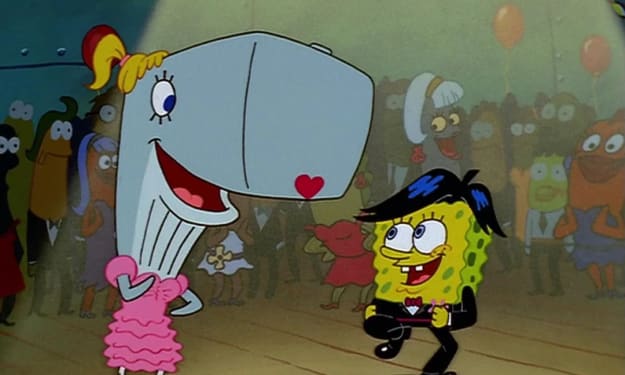
“The Chaperone,” a gem tucked within the first season of SpongeBob SquarePants, unfurls like a bright‑hued sea‑foam tapestry, each frame drenched in the buoyant optimism that defines the series while simultaneously slipping a sly, almost parental, commentary into the mix. The episode opens with Mr. Krabs anxiously appoints SpongeBob as the designated chaperone for his wide‑eyed school‑aged daughter Pearl for the prom after her date had stood her up. Also this is after everyone in the Krusty Krab including employee Squidward had said no. This is a role that both honors and lampoons the classic “big brother” trope. As SpongeBob dutifully agrees to be a chaperone for Pearl’s prom for a wonderful night, the viewer is treated to a cascade of meticulously animated details: the iridescent shimmer of coral arches, the gentle sway of kelp that seems to echo the nervous tremor in each child’s spine, and the ever‑present, reassuring glow of the school's neon sign that feels like a lighthouse guiding lost souls. The writing skillfully balances slapstick chaos—students darting into a fish‑food line, the inevitable slime‑splatter misadventure—with tender moments of affection, such as SpongeBob’s earnest, wide‑grinned encouragement that feels as warm as a summer tide. The episode’s pacing is deliberate yet breezy, allowing each visual gag to settle before moving to the next, thereby amplifying the comedic impact while keeping the narrative buoyant and coherent.
By Forest Green6 days ago in Journal
Review of 'Man on the Run'
My wife and I saw Man on the Run, a nearly 2-hour documentary on Amazon Prime, about Wings, Paul McCartney's group that flew around the world from shortly after The Beatles broke up in early 1970 to shortly after John Lennon was murdered at the end of 1980, making a Beatles reunion forever impossible.
By Paul Levinson3 days ago in Beat



Comments
There are no comments for this story
Be the first to respond and start the conversation.