
Why Data Loss Prevention Is Essential for Every Business Today
A Comprehensive Guide to Protecting Sensitive Data and Enhancing Business Security in the Digital Age

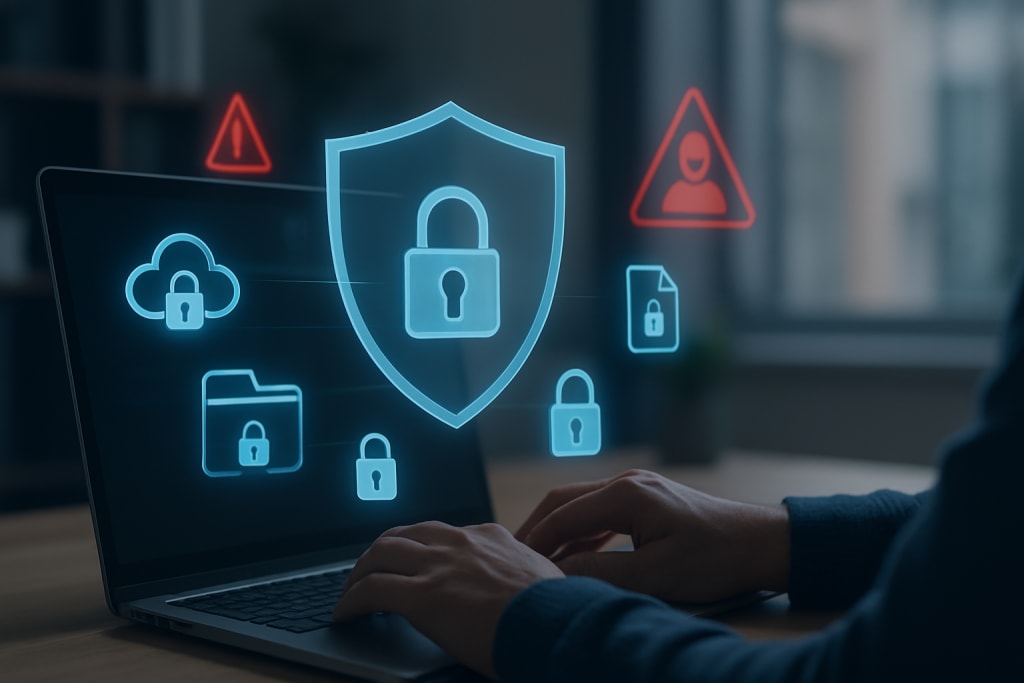
In today’s fast-moving digital world, companies generate and handle enormous amounts of data. With that comes the risk of losing sensitive or valuable information—whether accidentally or due to malicious intent. This is where data loss prevention software (DLP software) steps in. Businesses of all sizes, across all industries, are turning to this powerful technology to protect their data, ensure compliance, and maintain productivity.
Understanding the Role of Data Loss Prevention Software
Data Loss Prevention Software is designed to monitor, detect, and prevent the unauthorized sharing or leakage of sensitive data. Whether it’s customer details, financial records, or internal documents, this tool ensures information stays where it’s supposed to be. It identifies threats, blocks risky actions, and notifies administrators before any harm is done.
The need for such a system has skyrocketed as businesses become more digital and decentralized. With remote work, cloud storage, and mobile access, data now travels in more ways than ever before—making security much more complex.
Key Features That Make DLP Software Essential
A good DLP solution offers a range of features that work together to protect information from all angles:
1. Insider Threat Prevention
Not all threats come from outside. Sometimes, employees—either through carelessness or malicious intent—can leak data. DLP software can track user activity and prevent sensitive data from being emailed, printed, or uploaded without approval.
2. Data Misconduct Detection
This feature watches for unusual behavior patterns. For instance, if an employee suddenly downloads large volumes of documents, the system flags it. It helps identify issues before they escalate.
3. User Behavior Analytics
By studying how employees usually interact with data, the software can recognize when something deviates from the norm. This proactive approach helps prevent breaches before they happen.
4. Continuous Data Monitoring
Data isn’t static—it moves constantly across devices, apps, and locations. Continuous monitoring ensures that data stays protected 24/7, no matter where it travels.
5. Employee Monitoring
While respecting privacy, DLP software also keeps a watchful eye on how data is being handled within the company. This helps in training, performance reviews, and risk mitigation.
Together, these features give businesses better control and visibility over their information, boosting both security and productivity.
Real-World Benefits of DLP Software
Companies that adopt DLP software gain significant advantages:
• Prevents Costly Data Breaches: Fines, lawsuits, and reputational damage from breaches can be devastating. DLP helps prevent these events before they happen.
• Protects Intellectual Property: Whether it's product designs or business strategies, DLP keeps confidential ideas safe.
• Supports Remote Work: As teams work from various locations, DLP ensures security across devices and networks.
• Boosts Employee Accountability: With transparent monitoring, employees are more careful with data handling.
• Improves Operational Efficiency: Automated monitoring and alerts reduce the burden on IT teams, letting them focus on strategic tasks.
In short, DLP helps businesses work smarter, not harder—without sacrificing security.
Balancing Compliance, Privacy, and Ethics
Today’s businesses must navigate complex data protection laws like GDPR, HIPAA, and others. Violating these regulations can lead to heavy penalties. DLP software helps ensure compliance by restricting data sharing, encrypting sensitive files, and keeping detailed logs for auditing.
However, it’s equally important to use DLP ethically. Employers must balance data security with employee privacy. Most modern DLP tools are designed to respect privacy while still providing the necessary oversight. With clear communication and well-defined policies, companies can create a secure and fair work environment.
For a detailed breakdown of DLP systems and regulations, check this comprehensive guide on what is data loss prevention.
Industry Use Cases: How Businesses Are Benefiting
1. Healthcare:
Hospitals and clinics use DLP to protect patient records. With strict rules under HIPAA, they can’t afford to risk data leaks. DLP systems help detect unauthorized access and ensure records are safely stored.
2. Finance and Banking:
Banks handle personal financial data daily. DLP tools monitor data movement and prevent unapproved transfers, helping maintain customer trust and regulatory compliance.
3. Education:
Universities use DLP to secure student records, research, and internal communications, especially in digital classrooms and remote learning environments.
4. E-Commerce and Retail:
Online retailers protect customer credit card details and shopping data. DLP helps prevent theft and fraud, both internally and externally.
5. Legal Firms:
With sensitive case files and confidential communications, law firms rely on DLP to prevent data leaks and comply with privacy regulations.
Choosing the Right DLP Software
Selecting the best tool depends on your company’s specific needs. Consider these key factors:
• Scalability: Will it grow with your business?
• Integration: Can it connect easily with your current systems and apps?
• Ease of Use: Is the interface simple for your team to manage?
• Customization: Can policies be tailored to your unique workflows?
• Support: Does the vendor offer reliable customer service and training?
For guidance on the top tools in the market, take a look at the best data loss prevention reviews available online.
How to Successfully Implement DLP Software
Launching a DLP system doesn’t happen overnight. Here are a few best practices for a smooth rollout:
1. Assess Your Risks: Understand what data you need to protect and where it resides.
2. Set Clear Policies: Define what’s allowed and what’s not, then communicate that to employees.
3. Start Small: Roll out the software in phases, beginning with high-risk areas.
4. Train Your Team: Make sure everyone understands how the system works and why it's important.
5. Review Regularly: DLP isn’t a set-it-and-forget-it solution. Keep evaluating and refining your policies.
The Future of Data Loss Prevention Software
DLP is evolving fast. Artificial intelligence and machine learning are becoming central to detecting threats more accurately. Cloud-based solutions are rising in popularity, especially for businesses with hybrid or remote teams.
Another major trend is integration with endpoint detection and response (EDR) tools. This creates a more comprehensive security ecosystem that protects data and devices simultaneously.
There’s also a growing focus on user-centric monitoring, where the system adapts to individual behaviors instead of applying one-size-fits-all rules. This flexibility ensures both tighter security and improved user experience.
If you're curious about deeper trends and innovations, read more about dlp meaning in the context of workplace monitoring and cybersecurity.
Conclusion
Every modern business, regardless of size or industry, handles sensitive data every day. With threats lurking inside and outside the organization, data loss prevention software is no longer optional—it’s essential.
By combining intelligent monitoring, real-time alerts, and customizable controls, DLP software protects what matters most: your data, your people, and your reputation. It not only prevents data breaches but also builds a more secure, compliant, and efficient organization.
About the Creator
Keep reading
More stories from Vocal Blog and writers in Journal and other communities.
What Is Data Loss Prevention and Why Every Business Needs It
In today’s fast-moving digital world, companies generate and handle enormous amounts of data. With that comes the risk of losing sensitive or valuable information—whether accidentally or due to malicious intent. This is where data loss prevention software (DLP software) steps in. Businesses of all sizes, across all industries, are turning to this powerful technology to protect their data, ensure compliance, and maintain productivity.
By Vocal Blog8 months ago in Journal
23:00 at Snap Lake: Diamond Hunters and the Aurora Borealis
The Arctic does not offer its treasures easily. To find a diamond in the Northwest Territories is not a matter of luck; it is a matter of endurance, of staring through a microscope until your eyes burn, and of surviving a landscape that wants to push you out. As the clock on my wrist neared 23:00, I sat by the log fire and realized that I was no longer an outsider. I had become a silent witness to the earth’s most guarded secrets.
By Magma Star2 days ago in Journal
The Politics of Playing Dress-Up
Well, to start off I'd like to say a happy world book day to all who celebrate. I know I haven't really posted anything on my socials about it but I'm not a jubilant kind of person. I lay low most of the time. Let's start off with a popular anecdote from the vaults...
By Annie Kapur6 days ago in Geeks


Comments
There are no comments for this story
Be the first to respond and start the conversation.