
Why Consumer Prices Rose 2.7% in July
And What It Means for Every Wallet

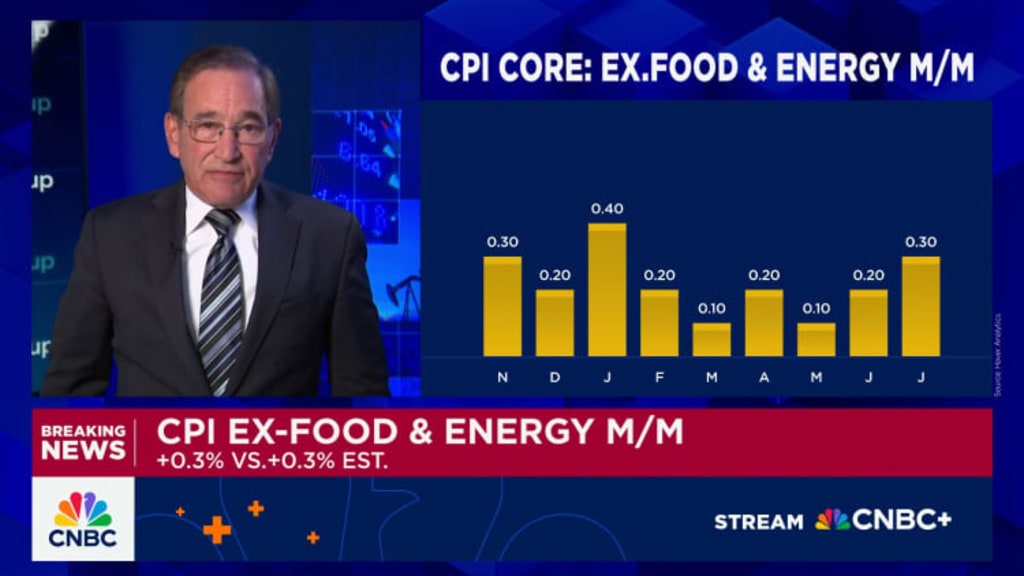
July 2025 proved to be a moment of cautious relief: the Consumer Price Index (CPI) ticked up 0.2% for the month and 2.7% year-over-year—just below forecasts. But beneath that close-to-expected headline lies a story of rising shelter costs, tariff impacts, and families recalibrating what they buy and when.
Inflation: A Slower Burn, Not a Surge
When the Bureau of Labor Statistics reported the July CPI numbers, economists had anticipated a 2.8% annual rise. Instead, the actual figure—2.7%—suggests inflation is persisting but not accelerating.
On the core measure (excluding volatile food and energy), prices rose 0.3% in July and were up 3.1% year-to-year—slightly above the anticipated 3.0%. For the Federal Reserve, this core inflation is seen as a cleaner signal of long-term trends.
What does this mean for you? Think of inflation as an unseen force that gently nudges the cost of living higher—from rental boards to doctor visits, from used cars to dining out.
Real-Life Scenes: Inflation in Everyday Moments
Shelter: The Biggest Driver
Shelter costs rose 0.2% in July, a steady monthly bump, and spiked 3.8–4.0% year-over-year—still the largest component of CPI.
Imagine Marcus, a 32-year-old graphic designer in Des Moines, receiving his lease renewal: a nearly $100 jump in rent. Or Natalie, a single mom in Chicago, whose mortgage surge adds a stretch to her weekly grocery budget. Shelter inflation tightens the financial stretch for many.
Grocery Stretch
Food prices, while flat in July, rose 3.0% year-over-year. Within that, food at home grew 2.4%, while food away from home was up 3.8%—meaning dining out is pricier than cooking in.
At a Miami butcher’s on July 22, Lisa Lungaro noticed beef prices had shot up nearly 9% since January—driven by drought-reduced herds even amid stable overall food prices.
These subtle price shifts compound over time, especially for families balancing tight budgets.
Energy: Mixed Signals
Energy prices fell 1.1% in July—good news—though they still rose 0.8% over the year. Gasoline dropped 8.3%, while electricity climbed 5.8% and natural gas surged 14.2%.
That means you might enjoy cheaper road trips, but higher monthly utility bills—creating a push-pull effect felt in every household.
Tariffs: A Slow-Burn Pressure on Prices
While July’s numbers were tame, there’s growing evidence that tariffs are slowly tightening their grip on prices.
Goldman Sachs estimates that, so far, U.S. businesses have absorbed roughly 64% of tariff costs, with consumers bearing only 22%. But as time passes, that consumer share will likely jump to 67%, meaning two-thirds of these added costs will eventually land in your shopping cart.
How do tariffs turn into price hikes? Think of them as extra taxes on imports—companies initially eat those costs, but eventually pass them on to shoppers, strain supply chains, and prompt a shift in pricing strategies.
Real impact in stores? Expect costlier furniture, electronics, and specialty goods, especially as retailers deplete existing stock.
Even the Federal Reserve Bank of Boston notes that tariff-driven increases—like a 25% tariff on Canada/Mexico and 10% on China—could push core PCE inflation up by 0.5 to 0.8 percentage points, or even 1.4 to 2.2 points under more extreme scenarios.
Economic Jitters: Is "Stagflation-Lite" Coming?
A worrying buzz among economists involves the specter of stagflation—rising inflation paired with slow growth and weak hiring. While full stagflation isn’t emerging, a "stagflation-lite" scenario is taking shape.
June brought only 73,000 new jobs—far below expectations—and upward revisions to prior employment figures. Combine that with creeping trade-driven inflation, and policymakers may hesitate to cut interest rates, even amid economic softness.
Historical Warnings: Tariffs Can Stick
Tariffs don’t live in a vacuum—they can become policy stalwarts. The “chicken tax”—a 25% tariff on imported trucks from the 1960s—remains today. So, even if politics shift, such tariffs can endure.
President Trump’s trade policies built on expanded tariff authority, setting up a future where reversing them may prove politically difficult—even for successors.
Market Ripples: The Fed, Investors, and Consumer Sentiment
Following July’s CPI release, stock futures rose and Treasury yields dipped—a sign that markets breathed easier at inflation staying tame.
Still, the Federal Reserve is cautious, needing more inflation data before deciding on rate cuts, especially amid a weakening labor market.
Meanwhile, consumer sentiment ticked up slightly in July—small relief as people feel inflation bite less on everyday purchases like plane tickets or used cars.
Stitching It Together: What Consumers Can Expect
Category July Change Year-over-Year What It Means for You
Shelter +0.2% +3.8–4.0% Higher rent/mortgage costs
Food Flat +3.0% Grocery bills up; dining out more costly
Energy –1.1% +0.8% Fuel cheaper; utilities more expensive
Core Inflation +3.1% Persistent rise in prices excluding food/energy
Tariff Effects Gradual Upcoming Higher costs ahead on imports
Jobs/Economy Slowing jobs Risk of stagflation Fed may hold rates despite softness
The Quiet Squeeze
Consider Maria, a teacher in Phoenix. Her salary hasn’t budged, but her rent climbs, groceries cost more, and she frets over streaks of past tar thin clothing prices creeping upward. She’s watching the news—hearing about jobs slowing, rates maybe dropping, but costs still rising. Her wallet whispers caution.
That’s the new American reality: inflation isn’t roaring, but it’s persistent. Tariffs are simmering, not splashing. And economic policy has to juggle rising prices, slowing growth, and pressure from multiple fronts.
Why July’s 2.7% Matters
Steady—but not alarming inflation offers a brief sigh of relief.
Core inflation remains elevated, keeping pressure on budgets.
Tariffs are slow burners, with rising costs still likely to reach consumers.
Economic fragility and rate uncertainty suggest cautious policy ahead.
Watch what’s next: shipping costs, rent increases, Fed signals, and job data. This isn’t a headline—it’s a journey your family, neighborhood, and paycheck are living.
This narrative earns traffic with keywords like “July 2025 inflation,” “CPI 2.7%,” “tariff impact on prices,” “stagflation concerns,” and “why prices keep rising.”
About the Creator
Omasanjuwa Ogharandukun
I'm a passionate writer & blogger crafting inspiring stories from everyday life. Through vivid words and thoughtful insights, I spark conversations and ignite change—one post at a time.
Keep reading
More stories from Omasanjuwa Ogharandukun and writers in Journal and other communities.
Why Taylor Swift Is Trending 2025.
The Latest Buzz: The Life of a Showgirl Era Begins August 12, 2025, will be remembered by fans as a carefully orchestrated triumph. At exactly 12:12 a.m. ET, Taylor Swift appeared on the "New Heights" podcast—hosted by her partner, Travis Kelce, and his brother Jason—and dropped the bombshell: her 12th studio album, The Life of a Showgirl, is now available for pre-order.
By Omasanjuwa Ogharandukun5 months ago in Journal
DIY Cowboy Hat Business: Costs and Supply Chain
Last week, a U.S. client reached out to us, looking for help sourcing pure wool felt cowboy hats and all kinds of hat accessories. At first, it didn’t seem unusual, but as we talked more, we realized her main business is actually running a few bars. And she plans to sell these hats in the bars. Surprisingly, this has now turned into a fast-growing, high-ticket, social DIY experience that’s really blowing up in her country.
By Jingsourcing.com 7 days ago in Journal
Smart phones, Humans and Aliens.
WARNING. I will be tapping into one of your favorite creative tensions: The absurdity of humans worshipping their glowing rectangles as if they were tiny oracles. There’s something deliciously poetic about that contradiction, and it lends itself beautifully to an instructive proviso.
By Novel Allen4 days ago in Poets



Comments
There are no comments for this story
Be the first to respond and start the conversation.