
Why Choosing the Right Gantry Crane Capacity Matters for Lifecycle Cost Management
Maximize Long-Term Value in Gantry Crane Investments
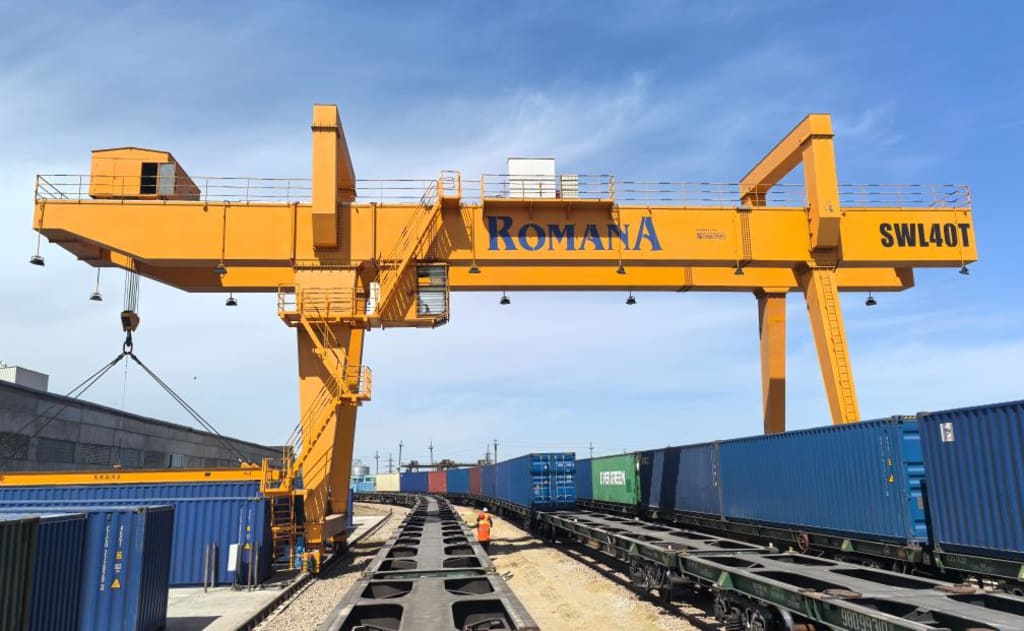
When investing in a gantry crane for your facility - whether it's for shipyards, precast concrete yards, heavy manufacturing, or container terminals - one of the most critical decisions you’ll make is selecting the right crane capacity. Gantry crane capacity, typically measured in tons, refers to the maximum load the crane is designed to lift safely. While it might seem prudent to choose a crane with more capacity “just in case,” over-specifying or under-specifying crane capacity can have significant consequences - not just for operational efficiency but for the total lifecycle cost.
This article explores why choosing the right gantry crane capacity is essential for lifecycle cost management and how you can make smart decisions that balance performance, safety, and long-term costs.

Understanding Lifecycle Cost in Gantry Crane Investment
Lifecycle cost refers to the total cost of ownership of a crane throughout its entire lifespan - from initial purchase and installation through operation, maintenance, upgrades, and eventual decommissioning or resale. The crane's lifting capacity is directly tied to many of these cost factors, including:
Initial purchase price of gantry crane
Foundation and structural support costs
Energy usage
Maintenance frequency and cost
Wear and tear on components
Downtime due to underperformance or overuse
Making an informed choice in capacity ensures that the crane operates optimally within its design limits, minimizing unnecessary expenses over time.
The Risks of Over-Specifying Crane Capacity
At first glance, purchasing a gantry crane with a higher capacity than needed might appear to be a conservative and future-proof strategy. However, oversizing comes with serious drawbacks that impact your lifecycle cost management.
1. Higher Initial Investment
Higher capacity cranes require more robust structural components—larger girders, stronger hoists, reinforced runways, and more powerful motors. This directly translates to a significantly higher initial cost. For example, a 100-ton gantry crane may cost 1.5 to 2 times more than a 50-ton crane, depending on specifications.
2. Increased Energy Consumption
Larger capacity cranes generally consume more power. The motors, drives, and hoisting mechanisms designed for heavier loads require more energy to operate - even when lifting lighter items. Over time, this results in higher operating costs.
3. Larger Footprint and Foundation
A higher-capacity crane typically requires a more extensive support structure, such as reinforced concrete foundations or rail systems, which further adds to construction costs and space requirements.
4. Complex Maintenance Requirements
Heavy-duty cranes have more complex mechanical systems and higher maintenance demands. Inspections, part replacements, and general upkeep are more costly for larger cranes, even if their full lifting power isn’t regularly utilized.
5. Reduced Efficiency
Oversized cranes may operate below their optimal load range most of the time, leading to inefficient lifting cycles and longer load handling times, which may slow down workflows.
The Dangers of Under-Specifying Crane Capacity
On the other side of the spectrum, choosing a gantry crane with insufficient capacity can be equally detrimental.
1. Overloading Risks
Using a crane near or above its rated capacity frequently can lead to equipment fatigue, structural damage, and increased safety hazards. Over time, this misuse shortens the crane’s service life and increases the need for repairs or replacement.
2. Frequent Downtime
Crane failure due to overloading or overstress can result in unplanned maintenance or complete system shutdowns, disrupting operations and driving up downtime costs.
3. Operational Bottlenecks
A crane that can’t meet the lifting requirements of a project leads to workflow inefficiencies. Delays in moving heavy components or having to divide a single lift into multiple lighter lifts can hurt productivity.
4. Emergency Upgrades or Replacements
Realizing too late that your crane is undersized may force you to upgrade prematurely or acquire additional lifting equipment. This unplanned expense can significantly affect your capital budget and long-term cost management.
Finding the Right Balance
So, how can businesses determine the correct gantry crane capacity to ensure long-term value and cost efficiency?
1. Accurate Load Assessment
Start by understanding the typical and maximum load weights you need to lift. Take into account not just the material weight, but also the weight of any lifting devices, rigging, and attachments.
2. Consider Load Frequency
If maximum loads are rare (e.g., 5% of total lifts), you might consider using a lower-capacity crane and planning alternative lifting methods for exceptional loads. Conversely, if your operations routinely involve loads close to the upper limit, consider a crane with slightly higher capacity to allow for a safety buffer.
3. Anticipate Future Growth
If business expansion or heavier products are anticipated, factor in this growth when choosing capacity - but avoid overestimating. It’s more cost-effective to design with scalability in mind (e.g., modular upgrades) rather than purchasing a massive crane upfront that’s rarely used to its full potential.
4. Consult Engineering Experts
Collaborate with experienced gantry crane manufacturers or suppliers who can provide customized solutions based on your specific operational requirements. Their insights can help ensure that the crane capacity is aligned with actual usage needs and optimized for lifecycle cost efficiency.
Real-World Examples
Example 1: Over-Specified Crane
A logistics hub installed a 75-ton gantry crane for container handling, despite their average load being 35–40 tons. The larger crane required oversized components and additional energy but rarely used its full capacity. Over five years, their operating and maintenance costs were 40% higher than if they had opted for a more suitable 50-ton crane.
Example 2: Correctly Specified Crane
A precast concrete manufacturer chose a dual-girder 50 ton gantry crane after detailed load analysis. The crane matched their heaviest panel weight (45 tons) with room for safe operation. With optimal energy usage and minimal downtime, they saw strong ROI and low lifecycle costs over ten years.
Conclusion: Capacity Choice is Cost Management
Choosing the correct gantry crane capacity isn’t just about lifting ability - it’s a strategic decision that directly impacts your bottom line throughout the equipment’s lifecycle. Over-specifying leads to wasteful expenditure, while under-specifying risks operational inefficiencies and safety issues. The key to lifecycle cost management is a balanced, data-driven approach to capacity selection.
By carefully analyzing your lifting requirements, consulting crane professionals, and forecasting future operational demands, you can make an informed capacity choice that maximizes safety, efficiency, and cost-effectiveness for years to come.
About the Creator
Aicrane01
Welcome to the Aicrane Blog, your practical guide to lifting solutions. Discover articles covering overhead cranes, gantry cranes, winches, steel structures, boat lifts, and more.
Website: https://steelmillcranes.com/
How to Plan the Perfect Candlelight Dinner Experience in the Maldives
A candlelight dinner in the Maldives feels personal and intentional. The soft light and the open sky paired with the gentle sound of the sea, but to make sure this type of evening goes smoothly, it needs planning. Small choices shape the outcome, timing matters and the location matters. Details matter, and with the right approach, the experience feels calm rather than staged. This guide shows how to plan each step with care.
By Jeewanthi Armstrongabout 16 hours ago in Journal
Why Many Women Prefer the Abaya for Comfort and Style
Fashion trends change quickly, but some clothing pieces continue to remain meaningful and relevant over time. One such garment is the abaya. Traditionally worn in several Middle Eastern countries, the abaya has become an important part of modest fashion around the world.
By Shahnaz Khan2 days ago in Journal
A More Human Vocal
When we launched Vocal nearly a decade ago, the world was a very different place. LLMs did not exist, and stories were created one at a time by people sitting down to write, revise, and share something personal. Many of our assumptions about publishing, trust, and participation were built for a world where effort and output were inseparable.
By Justin @ Vocal6 days ago in Resources



Comments
There are no comments for this story
Be the first to respond and start the conversation.