
Why Casual Games Are Dominating Mobile App Stores
How Simplicity and Speed Are Shaping the Future of Mobile Gaming
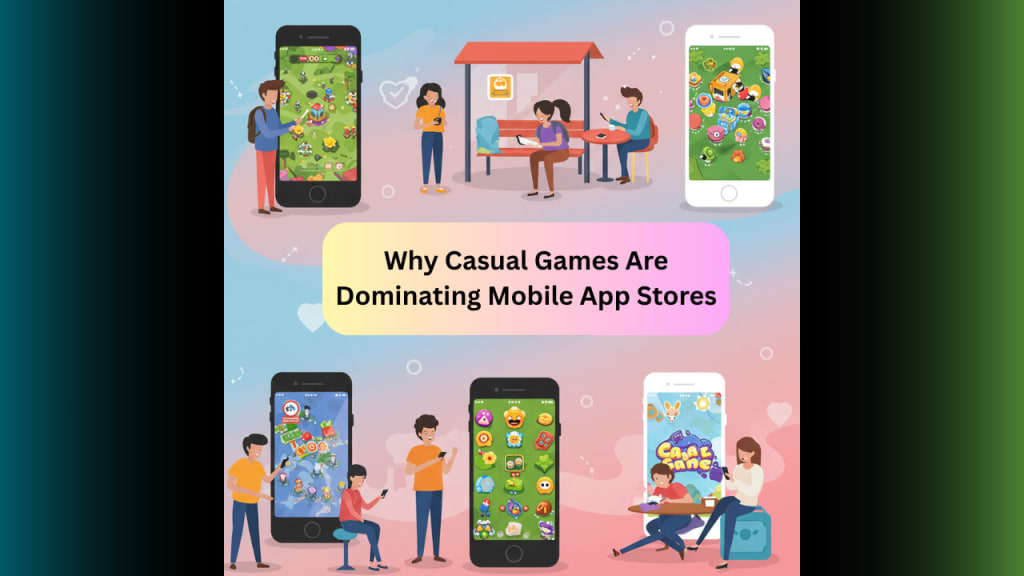
Over the past decade, mobile gaming has become one of the fastest-growing segments of the global entertainment industry. Among all genres, casual games have taken center stage, drawing millions of players worldwide with their minimalist designs and quick-play sessions. But what's driving this dominance? This article explores the reasons behind the rise of casual games and why they continue to outperform even high-budget titles in terms of downloads, engagement, and revenue.
What Are Casual Games — And What Makes Them Different?
Casual games are characterized by their simplicity, accessibility, and low learning curve. Unlike core or midcore games that demand time investment and strategic thinking, casual games cater to players looking for quick bursts of entertainment. These games often require minimal controls and no prior gaming experience, making them ideal for a wide audience across age groups and demographics.
Hyper-casual games, a sub-genre, push this concept even further. They often feature one-tap mechanics, no tutorials, and session lengths of under a minute. Examples include titles like Flappy Bird, Helix Jump, and Stack. While traditional games aim for depth, casual and hyper-casual games aim for instant gratification.
The Psychology Behind Casual Gaming’s Popularity
At the core of casual gaming’s success lies its ability to trigger quick dopamine hits. The design philosophy is rooted in behavioral psychology—delivering rewards at short intervals to keep the player engaged. The games are often structured to be stress-free, allowing players to relax without fear of failure or the need to commit large amounts of time.
Casual games are also highly portable. Whether waiting for a cab, standing in a queue, or taking a short break, these games fill the time gap effortlessly. The lack of steep progression curves or complex strategies ensures that users can jump in and out without losing momentum.
Design Simplicity That Drives Massive Reach
The appeal of casual games lies not only in their gameplay mechanics but also in their visual and user interface design. Clean visuals, minimal animations, and intuitive controls contribute to the overall accessibility. Bright colors and basic sound effects make the experience enjoyable without being overwhelming.
Game development studios have recognized this formula and are now modernizing even classic board games like Snakes and Ladders for the digital space. The online version of Snakes and Ladders, for instance, has been reimagined with multiplayer modes, leaderboards, and real-time gameplay to cater to this new generation of casual players. This reimagination allows developers to tap into nostalgia while benefiting from the low-friction engagement model of casual gaming.
Ad-First Monetization: How Casual Games Make Real Money
Casual games primarily earn revenue through advertisements. Rewarded video ads, banner ads, and interstitials are integrated seamlessly into gameplay loops. Unlike pay-to-play models, casual games are typically free to download and play, which encourages mass adoption.
In-app purchases (IAPs) also play a role, especially in hybrid-casual games. Users may spend small amounts to unlock skins, remove ads, or gain additional lives. While individual spending is low, the volume of users ensures steady income for developers.
Data from platforms like App Annie and Sensor Tower consistently shows that casual games make up a significant portion of the top-grossing and most-downloaded games worldwide. Low cost per install (CPI) and broad market appeal contribute to efficient and scalable monetization strategies.
Virality, Volume, and App Store Optimization
One of the defining features of casual games is their viral potential. Simple gameplay mechanics mean that players are more likely to share the game with friends and family. Social features, such as score sharing, friend challenges, and multiplayer modes, further enhance this.
App Store Optimization (ASO) is another factor behind their dominance. Casual games often use bright icons, clear descriptions, and relevant keywords to attract downloads. Frequent updates and seasonal events help maintain user interest and keep the app store listing fresh.
Games like Candy Crush and Ludo King exemplify how a combination of viral marketing and ASO can maintain a top spot for years. Their success is not accidental but a result of strategic planning and understanding user behavior.
What Developers Need: Tech, Timeline, and Tools
From a development perspective, casual games offer a low barrier to entry. Developers can build functional prototypes within a few weeks using tools like Unity, Buildbox, and GDevelop. These platforms provide pre-built assets and templates that speed up development time.
A full game can be developed in 6 to 12 weeks, depending on complexity. Multiplayer features, leaderboards, and monetization layers can be added incrementally. This allows for agile development and quick market testing.
The relatively short development timeline also makes casual games an attractive option for indie developers and small studios. Rapid iteration means teams can launch, test, and pivot without heavy upfront investment.
The Rise of Hybrid-Casual and What It Means for the Industry
Hybrid-casual games blend the simplicity of casual games with deeper mechanics from midcore genres. These games feature progression systems, character upgrades, and strategic gameplay layered over simple core mechanics. Titles like Archero and Join Clash have shown how this hybrid model can extend session times and boost revenue.
Hybrid-casual is seen as the future of casual gaming. It allows for broader monetization opportunities while retaining a large player base. As player expectations grow, this blending of styles offers a balanced experience that keeps users engaged longer without intimidating newcomers.
Global Trends and Cultural Influence
Casual games are not just a Western phenomenon. In India, Ludo King has become a household name with over 800 million downloads and daily active users in the tens of millions. The game tapped into cultural familiarity and social gameplay to achieve massive success.
In Japan, puzzle games like Puyo Puyo and mobile adaptations of traditional games maintain high engagement. In the U.S., games like Candy Crush and Wordscapes dominate the charts. These examples show that casual games can be culturally localized to achieve relevance in diverse markets.
Localization goes beyond language. It includes character design, reward systems, and even ad types tailored to user preferences in different regions. Developers who invest in cultural adaptation often see better retention and monetization.
Future Outlook: Where Casual Games Are Heading
The future of casual gaming is poised to be even more dynamic. With advances in artificial intelligence, games will offer more personalized experiences based on player behavior. AI can adjust difficulty, suggest in-game items, and tailor progression paths, enhancing user engagement.
AR and VR integration, though still emerging, also hold promise. Casual AR games like Pokemon Go have already demonstrated the potential for augmented experiences that blend the real and digital worlds.
Cross-platform play will become increasingly important as players expect seamless transitions between mobile, tablet, and desktop. The rise of cloud gaming will also support more graphically rich casual titles without sacrificing the quick-play format.
Final Thoughts: Why Simplicity May Just Be the Most Powerful Innovation
Casual games thrive on the idea that less can be more. Their widespread appeal, efficient development, and powerful monetization models make them a cornerstone of the mobile gaming industry. In a landscape often obsessed with complexity and scale, casual games prove that simplicity—when executed with precision—can lead to extraordinary success.
For developers, publishers, and investors, the lesson is clear: there is enduring value in creating games that are easy to understand, quick to play, and satisfying in short bursts. Whether it’s a modern twist on a classic like Snakes and Ladders or an entirely new concept, the casual genre continues to evolve—and it’s not slowing down anytime soon.
About the Creator
How Much Does It Cost to Start a Rehab Center with Detox Services
Introduction Establishing a rehabilitation center that integrates detox services is a profoundly impactful venture—both socially and economically. As communities grapple with escalating rates of substance misuse, compassionate and structured recovery environments are indispensable. However, the question that looms largest for would-be founders is: how much will it cost? The financial landscape of launching a rehab center with detox capabilities is multifaceted, demanding meticulous planning, regulatory compliance, and strategic investment. This article navigates the gamut of expenses that aspiring operators must consider, illuminating the intricacies beneath the surface costs.
By Fida Hassain5 days ago in Journal



Comments
There are no comments for this story
Be the first to respond and start the conversation.