
Why Accurate Construction Documentation Services Are Critical for AEC Projects
Discover why precise construction documentation is essential for AEC projects. Enhance project efficiency, reduce risks, and ensure compliance with expert insights.
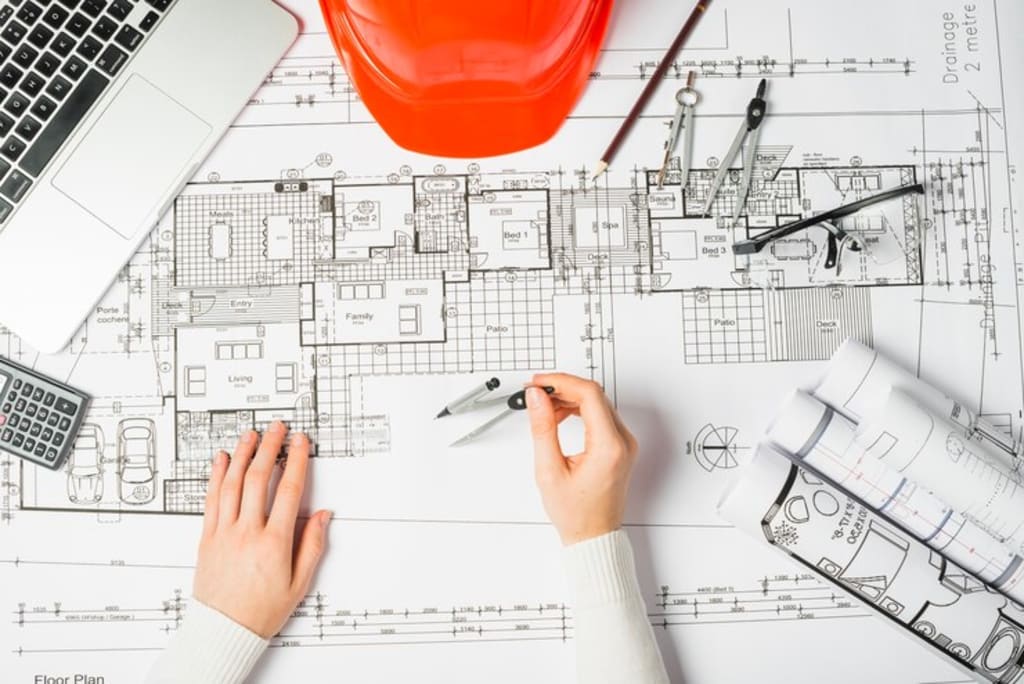
Construction projects are a massive undertaking involving numerous stakeholders, intricate designs, strict deadlines, and substantial financial investments. Within the Architecture, Engineering, and Construction (AEC) industry, success relies heavily on precise coordination and execution. At the forefront of this effort? Construction documentation services.
Think of construction documentation (CD sets) as the backbone of any AEC project. These detailed plans, blueprints, and specifications ensure all teams are aligned and that every brick, beam, and detail falls into place as envisioned. Without them, consistency, quality, and efficiency become nearly impossible to achieve.
This blog will unpack the critical nature of construction documentation services and offer insights into improving processes for better results.
The Types of Construction Documents
Construction documentation encompasses a wide array of materials that act as the building blocks for the project. They provide clarity at every stage, ensuring all involved parties—from architects and engineers to contractors and construction managers—are on the same page. Let's break down the main CD sets:
1. Architectural Drawings
These include floor plans, elevations, sections, and detailed layouts that define how the final structure will look and function. Architectural drawings are the foundation that informs design intent and establishes the building's visual identity.
2. Structural Engineering Documents
Focused on the structural integrity of the project, these documents detail the materials, load-bearing components, and construction methods required to ensure safety and longevity.
3. MEP Drawings (Mechanical, Electrical, and Plumbing)
MEP drawings ensure that essential systems like HVAC, circuiting, and plumbing are planned meticulously. These components are critical for the building's functionality and must align perfectly with architectural and structural plans.
4. Specifications and Schedules
Beyond drawings, specifications provide written guidelines related to materials, workmanship standards, and installation processes. Coupled with schedules for timelines and deliveries, these documents establish performance benchmarks for all teams.
5. Shop Drawings and As-Built Drawings
Shop drawings detail how components will be fabricated, while as-built drawings document any changes or deviations made during construction to reflect the final project.
Each of these documents plays a unique yet interconnected role, ensuring the project's seamless execution.
The Benefits of Accurate Construction Documentation
Why is accurate construction documentation so important? Simply put, it ensures that every aspect of the project is carried out efficiently and without costly errors. Here are the key benefits:
1. Enhanced Collaboration and Communication
Accurate CD sets ensure that all parties understand their roles, responsibilities, and deliverables. Whether you're an architect fine-tuning the design or a contractor working on-site, these documents provide a shared point of reference, reducing misunderstandings and costly rework.
2. Mitigated Risks
Construction projects come with their fair share of risks, including safety hazards, delays, and budget overruns. Detailed documentation helps mitigate these by providing clear workflows, timelines, and contingency steps.
3. Cost and Time Savings
By minimizing errors, improving coordination, and planning for potential issues, accurate construction documentation services help projects stay within budget and on schedule.
4. Compliance with Regulatory Standards
Construction projects must adhere to strict legal, safety, and zoning requirements. Comprehensive documentation ensures compliance, avoiding penalties or project shutdowns.
5. Better Quality Control
Quality assurance becomes much easier with accurate documentation. Teams can reference specifications during construction to ensure the project meets established standards.
Challenges in Maintaining Accurate Documentation
While the benefits are clear, producing and maintaining high-quality construction documents doesn’t come without its challenges:
1. Managing Changing Project Requirements
Construction projects are dynamic, with changing client preferences or unforeseen site conditions altering initial plans. Capturing these changes accurately is crucial but often challenging.
2. Lack of Standardization
Each team may use a different format, software, or nomenclature for their documents, leading to inconsistencies and confusion.
3. Human Errors
Even the most seasoned professionals are prone to mistakes, whether in measurements, annotations, or material descriptions. Errors can result in costly delays and rework.
4. Resource Constraints for Small Teams
For smaller engineering firms or contractors, tight budgets may mean insufficient access to advanced tools or dedicated teams for creating and managing documentation.
5. Integration Across Software Platforms
Modern construction projects involve complex coordination between multiple software tools, from CAD programs to project management platforms. Getting all systems to communicate seamlessly is easier said than done.
How to Improve Construction Documentation Processes
Addressing these challenges requires proactive strategies. Here's how architects, engineers, and construction managers can boost the accuracy and efficiency of their construction documentation services:
1. Adopt Advanced Tools and Technology
Invest in software solutions like Building Information Modeling (BIM) or cloud-based documentation management systems. These tools not only streamline the creation of construction documents but also ensure real-time collaboration and updates.
2. Standardize Documentation Practices
Establishing standardized templates, formats, and workflows helps avoid confusion and ensures consistency across teams. A project manual detailing standards for font sizes, layers, and naming conventions can go a long way.
3. Regular Revisions and Quality Audits
Build in regular checkpoints throughout the project lifecycle to review and update documentation. Third-party reviews and cross-team audits can further reduce errors and omissions.
4. Provide Training and Resources
Equip your team with the necessary skills and training to use advanced documentation tools effectively. Continuous learning will help keep your staff ahead of industry standards.
5. Foster Better Communication Among Stakeholders
Communication is the lifeblood of accurate documentation. Encourage open dialogue between all stakeholders to address concerns, clarify roadblocks, and ensure everyone has access to necessary documents.
6. Partner with Experts in Construction Documentation
Consider outsourcing documentation services to experienced professionals. Specialized firms have the resources, expertise, and tools to deliver high-quality CD sets, enabling your in-house teams to focus on core tasks.
How Accurate Documentation Drives Project Success
Accurate construction documentation services are not just a technical requirement; they are integral to project success. From providing a clear blueprint for collaboration to ensuring compliance and minimizing risks, high-quality CD sets lay the foundation for efficient, on-time, and on-budget projects.
If you're looking to take your documentation processes to the next level, investing in modern technology or partnering with experts is a strategic move. Whether it’s creating precise shop drawings or ensuring as-built plans are up to standard, paying attention to your documentation is an investment in your project's success.
About the Creator
Chudasama Outsourcing
Chudasama Outsourcing is a leading architecture firm based in the USA. We specialize in providing top-notch services including architectural BIM modeling, CAD drawings, shop drawings, structural detailing, and CAD conversion services.
Keep reading
More stories from Chudasama Outsourcing and writers in Journal and other communities.
The Future of Construction: How BIM Modeling is Revolutionizing the Industry
The way we design and construct buildings has always been shaped by the tools at our disposal. Today, Building Information Modeling (BIM) is emerging as one of the most powerful tools for architects and the construction industry. More than just software, BIM represents a paradigm shift in how we visualize, plan, and collaborate on projects.
By Chudasama Outsourcing12 months ago in Serve
Review of 'Man on the Run'
My wife and I saw Man on the Run, a nearly 2-hour documentary on Amazon Prime, about Wings, Paul McCartney's group that flew around the world from shortly after The Beatles broke up in early 1970 to shortly after John Lennon was murdered at the end of 1980, making a Beatles reunion forever impossible.
By Paul Levinson6 days ago in Beat



Comments