
Which Candidate Sourcing Tools Can Transform Your Hiring in 2025?
10 Game-Changing Tools Every Recruiter Should Know About in 2025

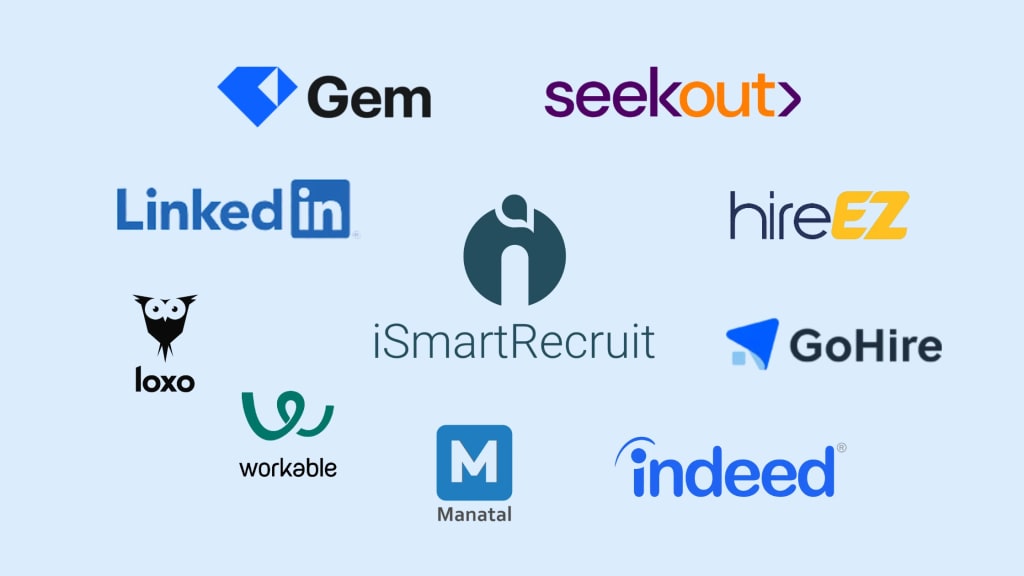
Recruitment in 2025 is no longer just about posting a job ad and waiting. The most successful hiring teams are using candidate sourcing tools that combine AI, automation, and multi-channel outreach to find top talent, often before they even apply.
From niche targeting to large-scale hiring, the right sourcing software can save hours of manual work and improve hiring quality. Here’s a breakdown of the best candidate sourcing tools available today, with one offering a unique, all-in-one advantage for recruiters worldwide.
1. iSmartRecruit
iSmartRecruit is a feature-rich recruitment platform designed to make sourcing faster, smarter, and more collaborative. With multi-platform job posting, advanced resume parsing, and AI-powered matching, it caters to both high-volume and niche hiring needs. It’s equally effective for in-house HR teams and recruitment agencies, offering automation, multilingual support, compliance readiness, and deep analytics.
Key features:
- AI-powered sourcing: Finds and ranks candidates by skills, experience, and suitability.
- Automated resume parsing: Extracts and organises candidate data in seconds.
- GDPR compliance: Ensures lawful and secure candidate data handling.
- Multi-language support: Ideal for global recruitment teams.
- Wide integrations: Connects with job boards, communication tools, and productivity software.
New users can explore its capabilities risk-free with a free demo, making it easier to see how it fits into existing recruitment workflows.
2. SeekOut
- Diversity sourcing filters for inclusive hiring.
- Pulls data from multiple public sources.
- AI-driven skill matching.
- Tailored searches for technical fields.
SeekOut excels at locating specialised candidates, especially for technical or security-cleared roles. It sources from public profiles, research publications, and resumes, making it invaluable for diversity and niche hiring.
Key features:
3. Gem
Gem acts as a recruitment CRM, helping teams maintain long-term relationships with potential hires. It’s ideal for companies prioritising talent pipelines over one-time fills, with automation and data analytics at its core.
Key features:
- Multi-platform candidate search.
- Personalised bulk email with A/B testing.
- Pipeline analytics for sourcing performance.
- Collaboration tools for recruitment teams.
4. HireEZ
HireEZ combines AI with Boolean search to provide access to over a billion profiles. It integrates seamlessly with ATS/CRM systems, reducing sourcing time and maintaining a healthy talent pipeline through automated outreach.
Key features:
- AI-powered candidate matching for faster screening.
- Personalised outreach to improve engagement rates.
- Integrations with leading ATS and CRM platforms.
- Market insights for competitive salary benchmarking.
5. LinkedIn Recruiter
With millions of active profiles, LinkedIn Recruiter remains the most recognised professional network for talent sourcing. Its tools cater to both active job seekers and passive candidates.
Key features:
- Precision search with advanced filters.
- Direct InMail messaging to connect with prospects.
- Employer branding tools to showcase company culture.
- Talent pipeline organisation for long-term planning.
6. Manatal
Manatal merges ATS capabilities with CRM features, providing a central hub for managing candidates and clients.
- LinkedIn integration for instant profile imports.
- AI recommendations for prioritising strong matches.
- Shared dashboards for collaborative hiring.
- Revenue tracking for agency profitability.
7. GoHire
GoHire offers straightforward recruitment management, from job posting to interview scheduling. Its clean design suits smaller teams looking for an easy learning curve.
Key features:
- One-click posting to multiple job boards.
- Centralised applicant tracking for all vacancies.
- Collaborative shortlisting and review tools.
- Affordable subscription plans.
8. Workable
Workable is built to grow with you. It’s mobile-friendly, integrates with hundreds of job boards, and has smart AI suggestions to keep the hiring process moving.
Key features:
- AI-recommended candidates for quicker hiring.
- Pre-made interview kits for consistent evaluation.
- Huge range of job board integrations.
- Mobile access for on-the-go recruiting.
9. Loxo
A recruitment automation tool with one of the largest talent databases in the market, Loxo is well-suited for agencies handling high-volume hiring. Its verified contact details and diversity filters make it especially useful for targeted outreach campaigns.
Key features:
- AI matching for better-fit candidates.
- Centralised management of your talent pool.
- Automated outreach at scale.
- Engagement metrics to fine-tune your approach.
10. Indeed
Indeed’s Smart Candidate Sourcing uses AI to match roles with relevant applicants instantly. While great for high-volume hiring, it may lack the niche targeting of specialist tools.
Key features:
- Smart matching for active job seekers.
- Boolean search capabilities.
- Instant messaging tools.
- Employer branding options.
Final Thoughts
The best candidate sourcing tool for your organisation will depend on your recruitment style, hiring volume, and growth plans. Some platforms excel in diversity sourcing, while others excel in engaging passive talent, and some in sheer database reach.
For teams that need an adaptable, automation-ready solution with strong compliance and analytics, iSmartRecruit offers an ideal balance. By combining ATS, CRM, and marketing tools in one platform, recruiters can manage the entire hiring journey without unnecessary complexity. In today’s fast-moving job market, having a tool that can do all that is more than a convenience; it’s a competitive edge.
About the Creator
iSmartRecruit
iSmartRecruit is an AI-powered Recruitment Software & Executive Search Software helping agencies and HR teams streamline hiring with smart automation, ATS + CRM features, and global support.
Keep reading
More stories from iSmartRecruit and writers in Journal and other communities.
Choosing the Right Recruiting CRM Pricing Model: A Smart Investment Guide
Recruiting software has evolved into an essential tool for modern hiring teams; however, choosing the right pricing model can be a daunting task. With options ranging from budget-friendly plans for startups to enterprise-grade custom solutions, finding the right fit isn't just about cost; it's about long-term value.
By iSmartRecruit8 months ago in Journal
Rewiring the Healing Path: How Neuroscience Shapes Trauma-Informed Therapy and Emotional Regulation
Neuroscience in trauma-informed therapy helps us understand why trauma changes the brain and how healing becomes possible. Many people who live with trauma struggle with strong emotions, fear, or sudden reactions that they cannot control. These responses are not signs of weakness. They are signs that the brain is working in survival mode. When we look at trauma through the lens of neuroscience, we can see how the brain protects itself and how it can also learn to feel safe again. This understanding builds hope. It also supports emotional regulation, which is an important part of recovery.
By Debra Bailey PHD5 days ago in Journal



Comments
There are no comments for this story
Be the first to respond and start the conversation.